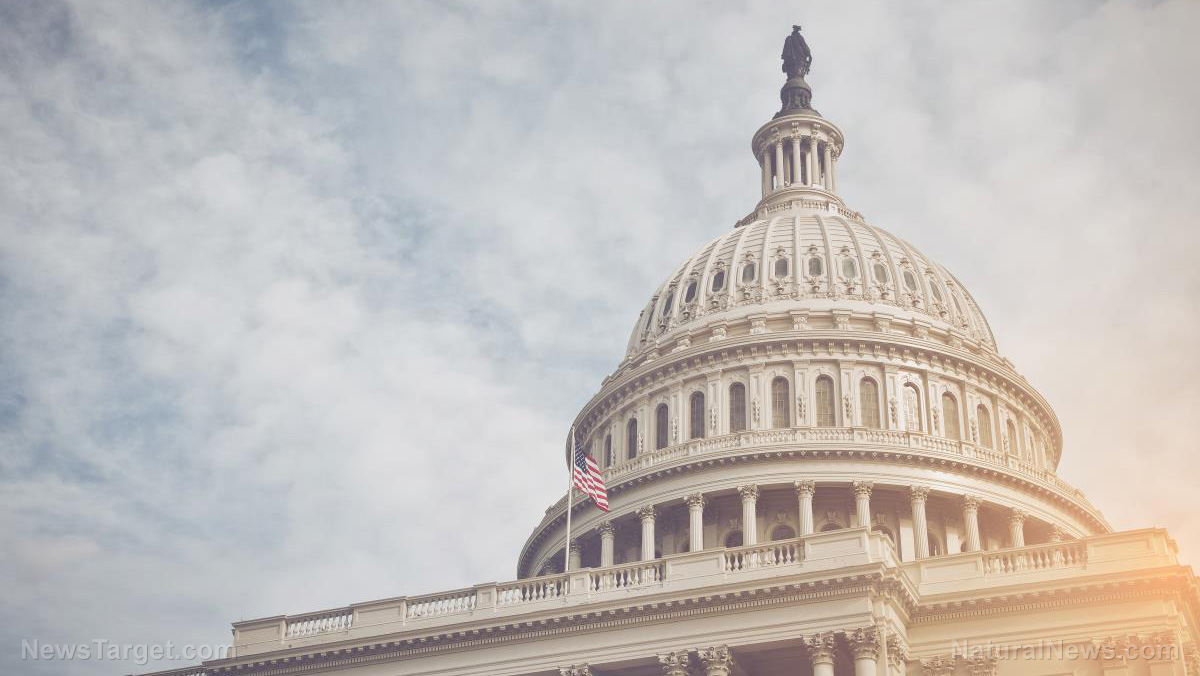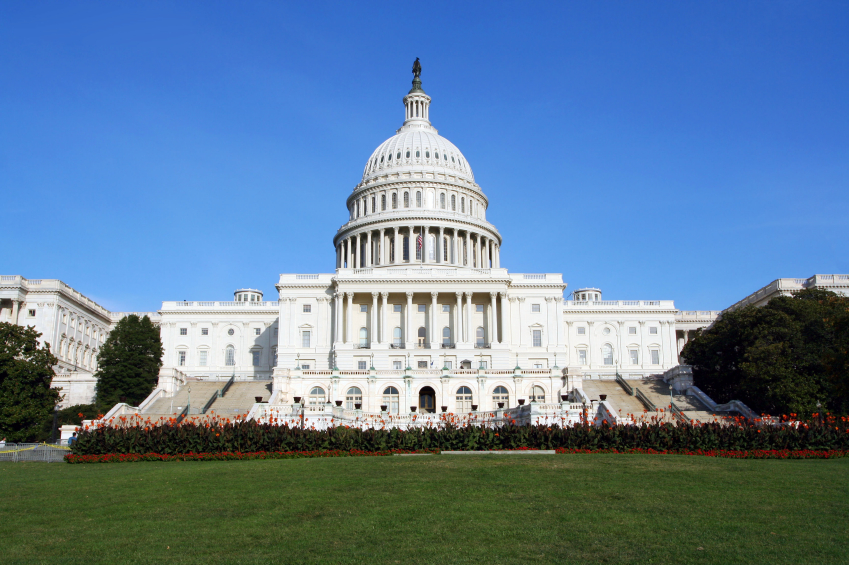
- The House voted unanimously to repeal a provision allowing senators to sue the DOJ for up to $500,000 if their phone records were seized without notification. The repeal was attached to a must-pass funding bill, forcing the Senate to accept it or risk a government shutdown.
- The clause was quietly inserted into a November 2025 spending bill that ended a 43-day shutdown. It was a response to Special Counsel Jack Smith's "Arctic Frost" investigation, which subpoenaed GOP lawmakers' records during the 2020 election probe.
- House Republicans, led by Rep. Virginia Foxx, framed the repeal as a fairness and fiscal responsibility issue. Senators had initially "jammed" the provision into a shutdown-ending bill, leaving the House no choice but to accept it—now the Senate faces the same dilemma.
- Some senators (e.g., Lindsey Graham) defended the provision as necessary for DOJ accountability. Others (e.g., Bill Hagerty, Chuck Grassley) opposed taxpayer-funded payouts, demanding condemnation of Smith's investigation instead.
- Senate Majority Leader John Thune has resisted repeal but may have no choice with the House forcing the issue. If the Senate removes the repeal, it risks triggering another shutdown; if it accepts repeal, senators lose their ability to sue over record seizures.
Senators divided over accountability vs. taxpayer costs
While some senators defended the provision as necessary to hold the DOJ accountable, others—including those from the GOP—balked at the idea of lawmakers enriching themselves with taxpayer money. Sen. Lindsey Graham (R-SC), whose records were subpoenaed, argued passionately for accountability. "If you cannot hold your government accountable for violating your rights or potentially violating your rights, you have a very dangerous government," he warned. But Sen. Bill Hagerty (R-TN), another senator targeted in the Arctic Frost probe, rejected the idea of personal compensation. "I am for accountability for Jack Smith and everyone complicit in this abuse of power," he said. "I do not want and I am not seeking damages for myself paid for with taxpayer dollars." Sen. Chuck Grassley (R-IA), who first exposed the DOJ's subpoenas, told reporters he would only support repeal if it condemned Smith's investigation as an abuse of power—something the House amendment does not do. Senate Majority Leader John Thune (R-SD) has repeatedly blocked House-passed repeal efforts, even after proposing a compromise where damages would go to the Treasury instead of individual senators. With the House now forcing the issue via must-pass funding legislation, the Senate's options are limited. Speaker Mike Johnson (R-LA), who admitted being unaware of the original provision until after its passage, called it "way out of line" and vowed swift action. The House is expected to pass the full funding package on Thursday, Jan. 29 – sending it to the Senate with just days to act before the shutdown deadline on Friday, Jan. 30. If the Senate removes the repeal language, it risks sending the bill back to the House – potentially triggering a funding lapse. If it accepts the repeal, senators lose their ability to sue over past or future record seizures. With tensions high and the clock ticking, the Senate's next move will reveal whether lawmakers prioritize accountability – or taxpayer-funded payouts for themselves. Watch this Fox News report about the Arctic Frost investigation. This video is from the Son of the Republic channel on Brighteon.com. Sources include: TheEpochTimes.com CBSNews.com TheHill.com NOTUS.org BrightU.ai Brighteon.com
Jeffrey Epstein’s secret eugenics plan: Breeding a “superior” human race with his DNA
By Belle Carter // Share

Norway votes to RETAIN monarchy despite royal scandals
By Kevin Hughes // Share


IT’S OVER: How China’s Anti-Stealth Radar and Missiles Have Ended U.S. Military Dominance
By Mike Adams // Share

Iraq Detains Ukrainian Nationals Suspected in Plot Against Gulf Oil Facilities
By garrisonvance // Share

U.S. Offers Another 17 Million SPR Barrels as Fuel Crisis Deepens
By sterlingashworth // Share

U.S. Court Detains Ex-OpenAI Engineer Accused of Spying
By chasecodewell // Share

Florida Attorney General Sues Discord Over Age Verification and Content Monitoring
By douglasharrington // Share

IMF Chief Calls for AI Guardrails as Officials Weigh Economic Risks and Opportunities
By edisonreed // Share