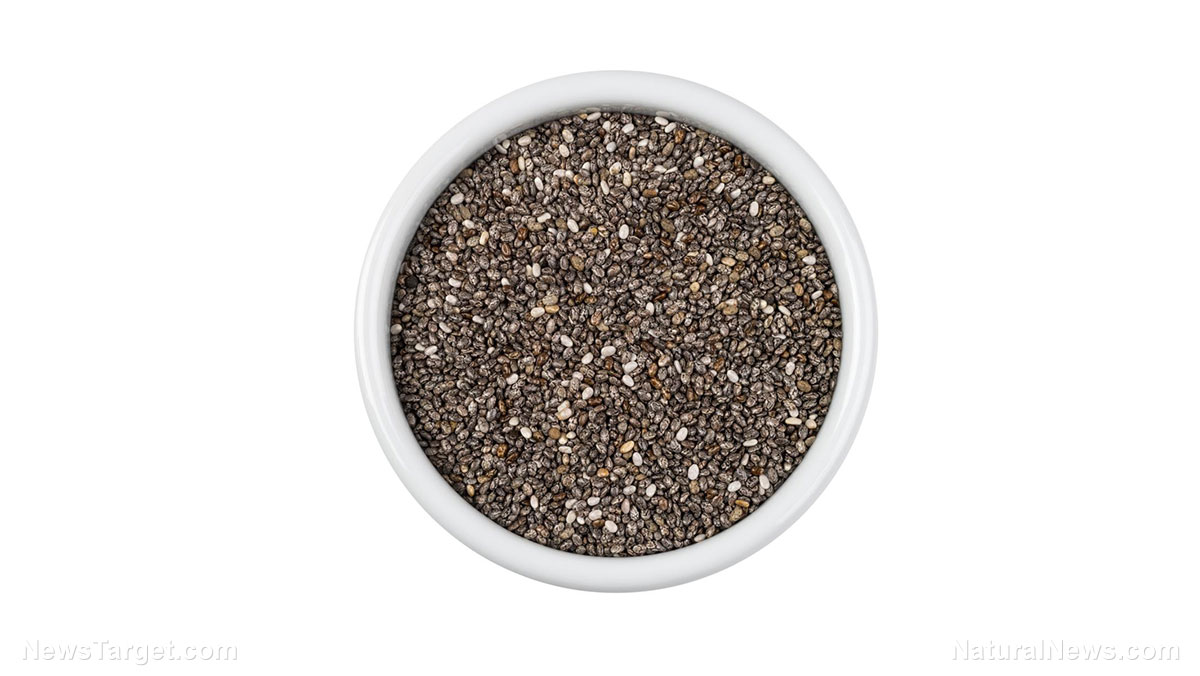
- FDA recalls Navitas Organic Chia Seeds over Salmonella risk.
- Check your pantry for affected lot codes starting with "W".
- No illnesses are reported, but this is a precautionary measure.
- This fits a pattern of recent contamination in health foods.
- The recall highlights systemic vulnerabilities in the global food chain.
Contamination is on the rise
This recall is notably precautionary. The FDA report states it "is being conducted as a precautionary measure following a recall initiated by the company’s chia seed supplier." In their alert, the FDA noted, "We do not have any reports of Salmonella in our product at this time, nor have any illnesses or adverse medical events been reported or identified." Navitas Organics CEO Ira Haber emphasized the company's history, stating, "Navitas has provided Organic Chia Seeds to our customers for more than 20 years. Providing safe, healthy food for our customers is why we have been in business this long and it’s why we are recalling this product today." Yet this single event is not an isolated incident. It fits a disquieting pattern of recalls for bacterial contamination that stretches across the so-called "health food" sector. Just this month, Spring & Mulberry recalled its Mint Leaf Date Sweetened Chocolate Bar after routine third-party testing discovered a trace of salmonella. Furthermore, an ongoing outbreak linked to SuperFoods Inc.’s Live it Up-brand Super Greens powder has caused at least 45 illnesses across nearly two dozen states, with 12 hospitalizations reported between August and December of last year.Why this keeps happening
The historical context here is critical. Our food system has become a globalized, industrialized web where a single contaminated ingredient from one supplier can ripple out to countless finished products on shelves thousands of miles away. This complexity makes pinpointing problems and preventing them inherently difficult. While voluntary recalls are a necessary tool, their increasing frequency begs the question of whether the foundational inspection and safety processes are robust enough for a supply chain of this scale. For the consumer, the immediate concern is health. Salmonella infection symptoms typically include fever, diarrhea, nausea, vomiting, and abdominal pain. While healthy individuals often recover, the risks are severe for vulnerable populations. This recall underscores the importance of vigilance, even with products marketed as natural and healthy. Trusting a brand's reputation is no longer sufficient; checking lot numbers against recall notices has become an essential modern survival skill. The FDA describes its role in such voluntary recalls as monitoring the action and alerting the public. They share company-initiated recall notices as a public service. This reactive model depends heavily on the speed and transparency of the companies involved and the diligence of suppliers further up the chain. When that chain spans continents, the points of potential failure multiply. So, what does it mean when the very foods we seek out for wellness – organic chia seeds, super greens powders, health-focused chocolate bars – become vectors for potential illness? It signals a systemic failure that transcends any single brand. It points to a production and distribution model where speed, volume, and cost can sometimes overshadow the fundamental promise of safety. The recall notice about your bag of chia seeds is not just a warning about one product. It is a receipt from a broken system and a reminder that true health requires not just choosing the right foods, but questioning the integrity of the labyrinthine system that delivers them to your door. Sources for this article include: Health.com The-Independent.com Newsweek.com
Silent Saboteurs: The Top 10 Everyday Foods Fueling Inflammation and Chronic Disease
By Coco Somers // Share


Shocking Glyphosate Levels in Popular Bread: Florida’s Eye-Opening Food Testing Report
By Mike Adams // Share


The Clawdbot Catastrophe: How AI Hype Unleashed a Digital Apocalypse in Weeks
By Mike Adams // Share
Iraq Detains Ukrainian Nationals Suspected in Plot Against Gulf Oil Facilities
By garrisonvance // Share

U.S. Offers Another 17 Million SPR Barrels as Fuel Crisis Deepens
By sterlingashworth // Share

U.S. Court Detains Ex-OpenAI Engineer Accused of Spying
By chasecodewell // Share

Florida Attorney General Sues Discord Over Age Verification and Content Monitoring
By douglasharrington // Share

IMF Chief Calls for AI Guardrails as Officials Weigh Economic Risks and Opportunities
By edisonreed // Share