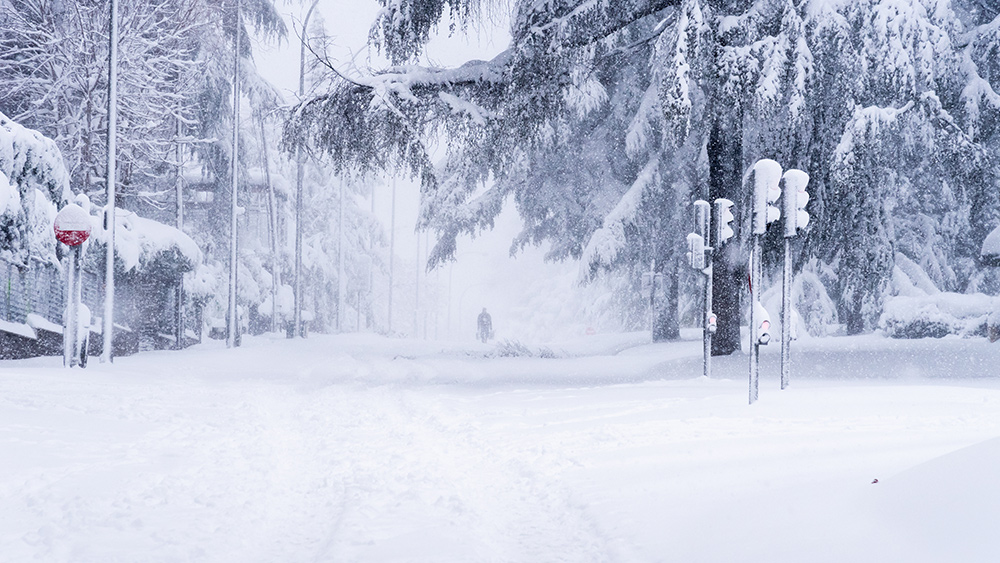
- New York City is enduring its longest cold snap in more than 20 years.
- Heating bills are soaring due to systems running constantly in sub-freezing temperatures.
- At least ten people have died outdoors, with the cold a likely factor.
- The city has opened emergency warming centers and deployed buses as shelters.
- Residents are advised to seal drafts, adjust thermostats, and use heaters safely to manage costs and risk.
Heating bills set to skyrocket
The financial impact is immediate and severe. Home care expert Scott Grillo explained the simple math of prolonged cold. "When temperatures stay below freezing, heating systems have to run longer and harder, especially overnight, and that usually shows up quickly on the bill," he told the New York Post. The National Energy Assistance Directors Association already projected a 9.2% rise in home heating costs nationwide this winter. In New York, where the winter has been 10% colder than normal to date, the spike will be sharper. Calculations by the Post illustrate the chilling added costs. In frigid weather, a typical home may need about 8 gallons of heating oil daily, compared to 2 gallons on a mild day. With New York's average price at $3.84 per gallon, that's an extra $23.04 daily. Over 12 days, the extra cost totals $276.48. In Manhattan, where prices are higher, the 12-day surge could reach $381.12. Propane users face a similar increase of more than $326 for the period. Even running a standard space heater non-stop could add $109 to an electric bill.A struggle for survival and warmth
For some, the concern is less about the bill and more about finding any warmth at all. Upper West Side renter Kate B. spent a weekend without working heat, relying on a landlord-provided space heater she must pay to power. "I figured out how to position it, and I had to put it on a couple shoe boxes for it to be tall enough to actually hit me when I’m in my bed," she said. Her solution was to escape to a hotel. "I’m getting out of here," she shared, citing the lack of heat as a reason for her upcoming move. Her experience is not isolated. The city's 311 system logged more than 15,000 heat and hot water complaints during the storm and freeze, with thousands still open. The cold is also a deadly threat to those without shelter. Mayor Zohran Mamdani announced that at least 10 people were found dead outdoors during the cold snap, with the weather believed to have played a role. "Code Blue alone is not enough in a cold this severe, this rare," Mamdani stated. "When people are still losing their lives, we have to do more." In response, the city has expanded emergency measures, opening new warming shelters, deploying warming buses, and asking hospitals to limit overnight discharges. The MTA contributed buses to serve as warming centers in each borough. The Office of Emergency Management warned that wind chills as low as 20 below zero make being outside dangerous, with exposed skin freezing in minutes.Tips for mitigating costs and danger
Amid the crisis, officials and experts urge practical steps to stay safe and manage costs. Grillo advised, "Small adjustments go a long way. Lowering the thermostat a degree or two, sealing drafts, using curtains at night, and dressing in warmer layers all help." He emphasized space heater safety, warning to keep them three feet from flammables and never leave them unattended. Michael Baggerman, a communication manager for utility NYSEG, noted that supply costs for electricity have jumped over 100% since 2020. He recommended intentional energy use. "If you’re not at home, maybe set the thermostat down a little bit," he said. A key tip is adjusting a water heater's preset temperature from 140 degrees to 120 degrees to save significantly. He also pointed to assistance programs like HEAP and a new EEAP program for moderate-income households. The historic freeze is testing infrastructure, from frozen ferry routes to icy streets, and stretching social safety nets to their limit. The deep freeze will eventually break, but the lessons it teaches about preparedness and compassion must remain. Sources for this article include: NYPost.com WBNG.com Fox5NY.com NBCNewYork.com ABC7NY.com
Silenced No More: The First Amendment under fire
By Ramon Tomey // Share

Silent Saboteurs: The Top 10 Everyday Foods Fueling Inflammation and Chronic Disease
By Coco Somers // Share



The Clawdbot Catastrophe: How AI Hype Unleashed a Digital Apocalypse in Weeks
By Mike Adams // Share
Iraq Detains Ukrainian Nationals Suspected in Plot Against Gulf Oil Facilities
By garrisonvance // Share

U.S. Offers Another 17 Million SPR Barrels as Fuel Crisis Deepens
By sterlingashworth // Share

U.S. Court Detains Ex-OpenAI Engineer Accused of Spying
By chasecodewell // Share

Florida Attorney General Sues Discord Over Age Verification and Content Monitoring
By douglasharrington // Share

IMF Chief Calls for AI Guardrails as Officials Weigh Economic Risks and Opportunities
By edisonreed // Share
