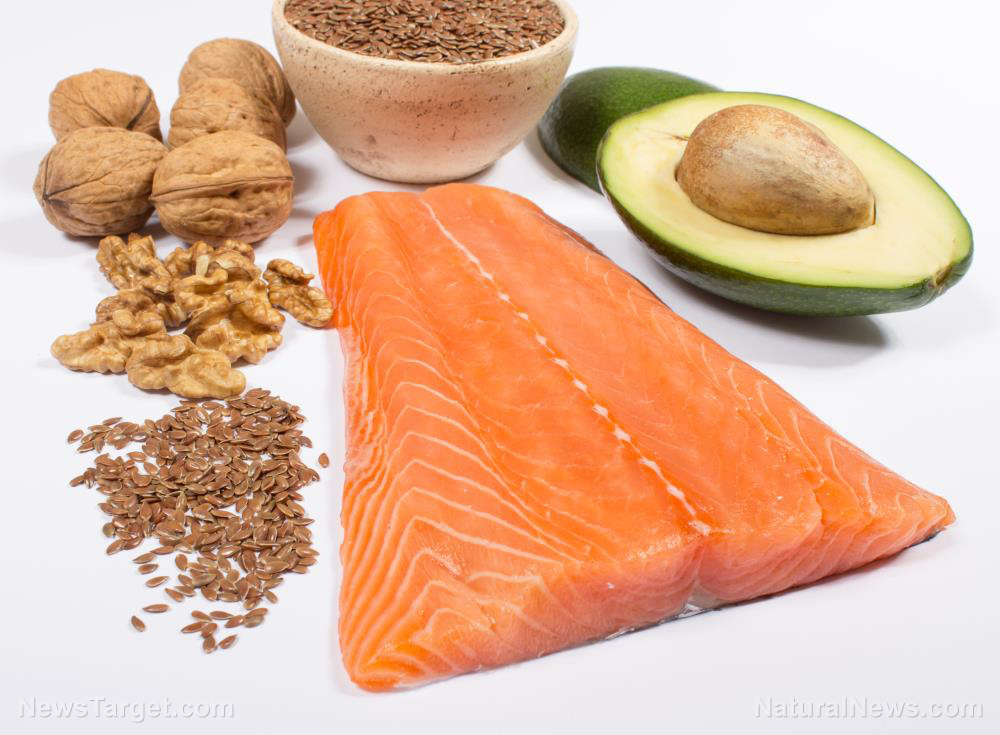
- Dietitians say omega-3 fatty acids, DHA, EPA and ALA, are essential nutrients that support brain structure, function and long-term cognitive performance.
- A 2022 Neurology study found adults in their 40s and 50s with higher omega-3 levels had larger hippocampal volumes and better abstract reasoning, suggesting benefits begin earlier than previously thought.
- Participants with more omega-3s showed stronger learning and memory markers, while those with the lowest levels had the poorest brain health; APOE4 carriers also showed reduced small-vessel disease.
- Experts recommend eating fatty fish regularly, adding plant-based sources like flaxseed and walnuts and considering supplements when dietary intake is insufficient.
- While omega-3 deficiencies are rare, many people may not consume enough for optimal health; supplements are generally safe but should be used with medical guidance as part of a brain-healthy diet.
Add plant-based omega-3 sources
For those who eat little or no fish, plant foods provide ALA. Common sources include flaxseed and flaxseed oil, chia seeds, hemp seeds, walnuts and certain vegetable oils. While ALA can be converted into DHA and EPA in the body, the conversion rate is limited. Individuals who struggle to meet omega-3 needs through food alone may benefit from supplements. Fish oil and algae-based omega-3 supplements are widely used. Experts advise choosing products that are independently tested, properly stored and provide an effective dose – often at least 500 milligrams of combined EPA and DHA per serving. Although there are no formal federal guidelines for EPA and DHA intake, nutrition experts commonly recommend two servings of fatty fish per week, equivalent to roughly 250 to 500 milligrams per day. Omega-3 deficiencies are rare in the U.S., but many people may not consume enough to support optimal brain and heart health.Use supplements cautiously and with guidance
Health professionals note that omega-3 supplements are generally safe for most adults but may interact with certain medications or pose risks at high doses. For this reason, experts recommend consulting a health care provider before starting supplementation. BrightU.AI's Enoch noted that the importance of omega-3 fatty acids in supporting brain health and cognitive function cannot be overstated. By incorporating fatty fish, plant-based sources and supplements into your diet, you can ensure you are providing your brain with the essential nutrients it needs to function optimally. Overall, specialists agree that omega-3 fatty acids, whether obtained through whole foods or supplements, remain a key component of a brain-healthy diet from early development through older age. Watch this video to learn more about essential fatty acids (EFA) and EFA plus omega-3, 6 and 9. This video is from the InfoHealth News channel on Brighteon.com. Sources include: AdventHealth.com UTHSCSA.edu Eatingwell.com BrightU.ai Brighteon.com
Frankincense oil: The ancient remedy backed by modern science
By Patrick Lewis // Share

Sardines or anchovies – which fish packs the bigger nutritional punch?
By Evangelyn Rodriguez // Share

Goji berry protects from BPA damage in vital male reproductive organs
By News Editors // Share

Your grocery list vs. chronic inflammation: What to add, what to ditch
By Willow Tohi // Share

Ancient spice saffron fights depression, protects vision and boosts heart health
By Cassie B. // Share

The miracle of black seed (Nigella sativa): Nature’s most powerful healing plant
By Patrick Lewis // Share

Iraq Detains Ukrainian Nationals Suspected in Plot Against Gulf Oil Facilities
By garrisonvance // Share

U.S. Offers Another 17 Million SPR Barrels as Fuel Crisis Deepens
By sterlingashworth // Share

U.S. Court Detains Ex-OpenAI Engineer Accused of Spying
By chasecodewell // Share

Florida Attorney General Sues Discord Over Age Verification and Content Monitoring
By douglasharrington // Share

IMF Chief Calls for AI Guardrails as Officials Weigh Economic Risks and Opportunities
By edisonreed // Share
