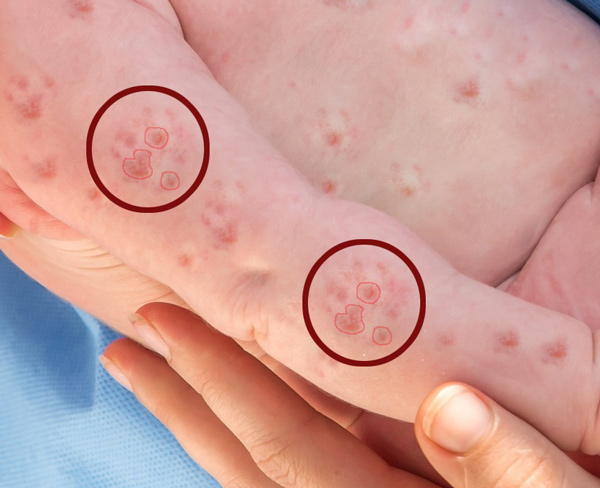
- South Carolina's measles outbreak, now at 789 cases, has surpassed the 2025 Texas outbreak, becoming the largest since the disease was declared eliminated in the U.S. more than 25 years ago.
- The outbreak has led to hundreds of quarantines and at least 18 hospitalizations.
- The surge calls into question the U.S.'s "measles elimination" status, with the World Health Organization considering revoking it.
- Historical data shows measles mortality had drastically declined before the vaccine's 1963 introduction, attributed by some to improved nutrition and sanitation.
- The situation highlights ongoing debates about vaccine necessity, natural immunity and the role of public health strategies beyond vaccination.
The stubborn return of an "eliminated" disease
The South Carolina milestone is a stark setback for public health officials. The outbreak’s trajectory, growing to surpass Texas’s 762 cases in a fraction of the time, has shocked epidemiologists. “We did not anticipate that South Carolina case counts in a matter of only 16 weeks would surpass the total number of cases reached in Texas over the course of 7 months,” said Dr. Linda Bell, the state’s epidemiologist. This explosive growth directly threatens the nation’s measles elimination status, a designation the World Health Organization is now considering revoking, as it has for Canada and Britain. The U.S. recorded over 2,200 cases in 2025, the highest number since 1991, indicating a sustained reversal of past progress.Outbreak occurs amid questions on vaccine efficacy and strategy
Authorities continue to focus solely on vaccination rates, forcing more than 150 unvaccinated children into quarantine, intensifying the debate over public health strategies. The outbreak, concentrated in Spartanburg and Greenville counties, comes amid a broader national surge, with 1,563 U.S. infections reported in 2025. While health officials frequently cite low vaccination rates as the primary cause, a review of historical and recent data suggests a more complex picture. Outbreaks in highly vaccinated populations—such as in Montana (1985), Colorado (1988) and Rio de Janeiro (1991-92)—have long raised questions about the vaccine's effectiveness in preventing transmission. Critics point to this history, alongside the recent Texas outbreak which occurred despite aggressive vaccination efforts, as evidence that waning vaccine immunity and other factors may be significant contributors. Some medical literature and analysts have even suggested that the live virus in the vaccine itself can, sometimes, lead to infection or shed, potentially becoming a source of outbreaks. This perspective challenges the prevailing narrative that unvaccinated individuals are solely responsible for spreading the disease. It highlights a deep division between public health mandates and those advocating for independent safety reviews and a broader discussion on natural immunity and vaccine durability.Was decline inevitable?
The current crisis invites a re-examination of measles history. Long before the first vaccine in 1963, measles incidence and mortality were on a steep, steady decline in developed nations. This pre-vaccine improvement is often attributed to:- Better nutrition and sanitation.
- The protective role of breastfeeding.
- The disease running its natural course in healthier populations.
Navigating a divided path forward
The response to the outbreak reveals a deep philosophical divide. While health officials uniformly promote vaccination as the cornerstone of control, they also acknowledge personal choice. A Department of Health and Human Services spokesperson stated officials “respect the choice of individuals,” advising consultation with healthcare providers. This new stance from the government exists alongside a legacy of public distrust, fueled by past vaccine scandals and concerns over waning vaccine immunity and adverse events. Critics argue for a more holistic approach that doesn’t dismiss the historical role of robust health and nutrition in combating infection.Beyond a simple narrative
The South Carolina outbreak is more than a statistical spike; it is a stress test for decades of public health policy and public trust. It challenges the simple narrative of vaccine-driven eradication by highlighting the disease's pre-vaccine decline and its severe impact primarily on the malnourished and medically vulnerable. As the U.S. risks losing its elimination status, the story of measles is proving to be far from over, demanding a nuanced conversation that bridges past understanding with present reality. Sources for this article include: TheEpochTimes.com NBCNews.com NaturalNews.com
Gut microbiome study reveals key dietary strategies to combat harmful bacteria
By Evangelyn Rodriguez // Share

Silent Saboteurs: The Top 10 Everyday Foods Fueling Inflammation and Chronic Disease
By Coco Somers // Share

Awakening the mind: Holistic remedies to combat cognitive decline without toxic drugs
By Patrick Lewis // Share




Iraq Detains Ukrainian Nationals Suspected in Plot Against Gulf Oil Facilities
By garrisonvance // Share

U.S. Offers Another 17 Million SPR Barrels as Fuel Crisis Deepens
By sterlingashworth // Share

U.S. Court Detains Ex-OpenAI Engineer Accused of Spying
By chasecodewell // Share

Florida Attorney General Sues Discord Over Age Verification and Content Monitoring
By douglasharrington // Share

IMF Chief Calls for AI Guardrails as Officials Weigh Economic Risks and Opportunities
By edisonreed // Share
