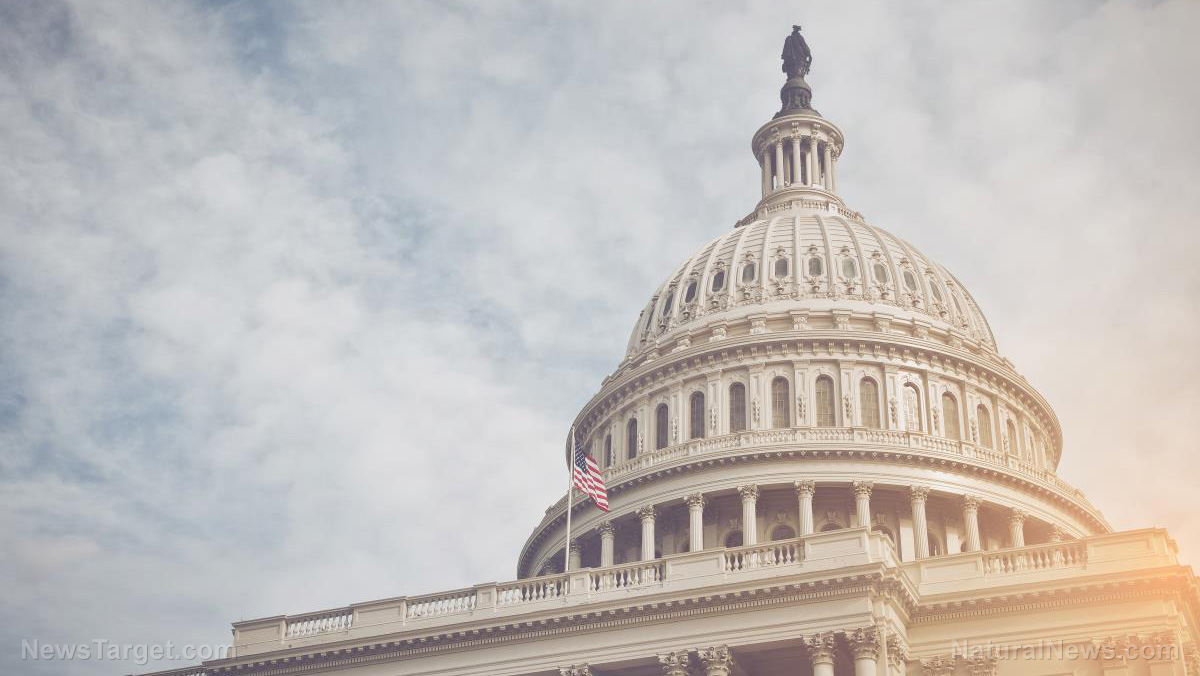
- Chinese state hackers, linked to the Salt Typhoon group, exploited Western-mandated telecom backdoors to spy on senior officials.
- The multi-year campaign compromised communications of aides to three UK Prime Ministers and targeted US political figures.
- The breach gave China access to sensitive call data and, critically, the ability to see who Western agencies were surveilling.
- The incident exposes a fundamental flaw in laws requiring surveillance access points in communication networks.
- Experts warn that complete removal of the hackers from compromised global telecom infrastructure may be impossible.
The Backdoor That Backfired
The breach’s mechanism is a profound indictment of long-standing Western surveillance policy. For decades, intelligence and law enforcement agencies successfully lobbied for laws requiring telecommunications carriers to build accessible backdoors into their networks. In the U.S., the Communications Assistance for Law Enforcement Act (CALEA) of 1994 mandated standardized interfaces for government wiretaps. The UK’s 2016 Investigatory Powers Act expanded similar requirements. The stated goal was to ensure authorities could access communications with a court order in the digital age. Cryptographers and privacy advocates warned for years that such backdoors create vulnerabilities exploitable by any sophisticated adversary. Salt Typhoon proved them right. Instead of hacking individual phones, the group targeted the CALEA systems themselves, gaining the same access as the FBI. This gave them not just call data and locations, but the ability to see which individuals were under active Western surveillance—a counterintelligence nightmare.Years of Unchecked Access
The operational timeline reveals a deep and persistent penetration. According to disclosures beginning in late 2024 and extending into 2026, the hackers maintained access from at least 2021 through 2024. In the UK, this period covered the tenures of Prime Ministers Boris Johnson, Liz Truss, and Rishi Sunak, with aides in their inner circles compromised. The compromised window included critical decisions on China policy, pandemic response, and the Ukraine war. In the United States, the targeting was surgical. Intelligence confirmed that among the fewer than 100 individuals whose call content was intercepted were figures from the 2024 presidential election cycle, including then-candidate Donald Trump and members of the Harris campaign. Congressional staff serving on key committees related to China, armed services, and intelligence were also breached. The global scale was vast, with over 200 companies across 80 countries compromised, including telecom providers in multiple Five Eyes alliance nations.The Contractor Ecosystem in Chengdu
Attribution for the campaign points directly to a state-directed apparatus. In 2025, the U.S. Treasury sanctioned Chengdu-based Sichuan Juxinhe Network Technology Co., Ltd., identifying it as part of the Salt Typhoon group with ties to China’s Ministry of State Security. This action aligned with a trove of leaked documents from another Chengdu contractor, i-SOON, which revealed a hacker-for-hire marketplace where private firms bid on Chinese government contracts to compromise foreign targets. The model explains the campaign’s scale and sophistication. Rather than relying solely on uniformed intelligence officers, China leverages a competitive ecosystem of private cybersecurity contractors concentrated in Chengdu, providing plausible deniability while amplifying its offensive capabilities. A 13-nation joint advisory in August 2025, including all Five Eyes members, formally attributed the campaign to these MSS-linked contractors, presenting a rare unified front against Beijing’s actions.An Unfixable Breach?
The most alarming assessment from security officials is that the intrusion may be permanent. Due to the depth of the compromise—using sophisticated rootkits and memory-resident malware—and the sheer scale of global telecom infrastructure, complete verification that hackers have been evicted is likely impossible. Senior U.S. senators and cybersecurity agency officials have publicly stated that carriers cannot prove the eradication of Chinese presence from their networks. This suggests a paradigm shift from prevention to persistent management. The architectural vulnerability is now a structural reality. The only certain remediation may be the physical replacement of network hardware, a multi-billion-dollar infrastructure refresh driven not by innovation, but by sanitation.A Permanent Framework of Vulnerability
The Salt Typhoon campaign is more than a cybersecurity incident; it is a structural revelation. It empirically invalidates the decades-long argument that governments can mandate secure backdoors for their exclusive use. The systems built for lawful surveillance became a single point of failure, exploited by a geopolitical rival to monitor the highest levels of Western government. The policy implication is unambiguous yet politically difficult: systems designed to be accessed will be accessed by adversaries. As Western governments continue to grapple with demands for encryption backdoors, Salt Typhoon stands as a permanent warning that the very tools built for security can become the greatest threat to it. The framework of vulnerability is now exposed, and the strategic advantage it ceded to China may endure for years to come. Sources for this article include: Substack.com NDTV.com BBC.com
Flying Blind: How America’s F-35 Crisis Reveals a Fatal Dependence on China
By Mike Adams // Share

AI Unleashed: The silent job market revolution
By Ramon Tomey // Share
Trump vows to block West Bank annexation in closed-door meeting with Muslim leaders
By Patrick Lewis // Share



Iraq Detains Ukrainian Nationals Suspected in Plot Against Gulf Oil Facilities
By garrisonvance // Share

U.S. Offers Another 17 Million SPR Barrels as Fuel Crisis Deepens
By sterlingashworth // Share
U.S. Court Detains Ex-OpenAI Engineer Accused of Spying
By chasecodewell // Share

Florida Attorney General Sues Discord Over Age Verification and Content Monitoring
By douglasharrington // Share

IMF Chief Calls for AI Guardrails as Officials Weigh Economic Risks and Opportunities
By edisonreed // Share