- Chronic obstructive pulmonary disease (COPD) caused 3.5 million deaths in 2021 (5% of global fatalities). Conventional treatments (bronchodilators, oxygen therapy) dominate, but skepticism toward Big Pharma is fueling interest in holistic, natural alternatives.
- Social media promotes unproven "detox" teas and supplements, but the lungs self-cleanse naturally. Avoiding pollutants (cigarette smoke, indoor biomass fuels) is critical—70% of COPD cases in wealthy nations are smoking-related.
- Breathing exercises (diaphragmatic, pursed-lip, alternate nostril) improve airflow and reduce stress. Moderate physical activity (even walking) enhances oxygen circulation and lung efficiency.
- Antioxidant-rich foods (leafy greens, berries and tomatoes) combat oxidative stress linked to COPD. Green tea offers proven anti-inflammatory benefits—unlike processed foods, which worsen inflammation.
- COPD is incurable, but smoke-free environments and pulmonary rehab help manage symptoms. Systemic change is needed: reducing air pollution, rejecting corporate-driven "detox" scams and prioritizing clean air, movement and organic nutrition for long-term lung resilience.
The limits of "lung detox" trends
Social media buzz around "lung detox" teas and supplements has surged, but experts caution against unverified claims. "Most of these products aren't backed by scientific research," notes a pulmonary specialist. Instead, the lungs possess a self-cleansing mechanism, which can be optimized through lifestyle adjustments rather than quick fixes. Key strategies include avoiding pollutants—particularly cigarette smoke, responsible for 70% of COPD cases in high-income nations—and reducing exposure to indoor biomass fuels, a major risk factor in low-resource regions.Strengthening lung function naturally
Diminished lung capacity, whether from aging, obesity or chronic disease, may benefit from targeted exercises:- Diaphragmatic breathing strengthens the primary muscle responsible for respiration.
- Pursed-lip breathing slows exhalation, easing oxygen exchange.
- Alternate nostril breathing, rooted in traditional practices, may reduce stress while improving airflow.
A holistic path forward
COPD remains incurable, but symptom management extends beyond pharmaceuticals. Smoke-free environments and pulmonary rehabilitation are pillars of care. Yet, the broader conversation emphasizes systemic change: reducing air pollution, rejecting misleading "detox" marketing and empowering patients with evidence-based self-care. As global health entities like the World Health Organization push for cleaner energy and tobacco control, individuals are increasingly turning to integrative strategies—blending medical science with natural wellness—to breathe easier in a compromised world. The fight against COPD demands more than inhalers; it requires a societal reckoning with environmental toxins and corporate influence over health narratives. While modern medicine offers critical tools, the enduring power of prevention—through clean air, movement and nourishment—remains humanity's first defense. Watch the video below that talks about the treatment for COPD. This video is from the Holistic Herbalist channel on Brighteon.com.Sources include:
AdventHealth.com 1 WHO.int AdventHealth.com 2 BrightU.ai Brighteon.com
The natural prescription: Rethinking migraine management through diet and lifestyle
By Willow Tohi // Share

The morning elixir: How hot water activates holistic health
By Willow Tohi // Share
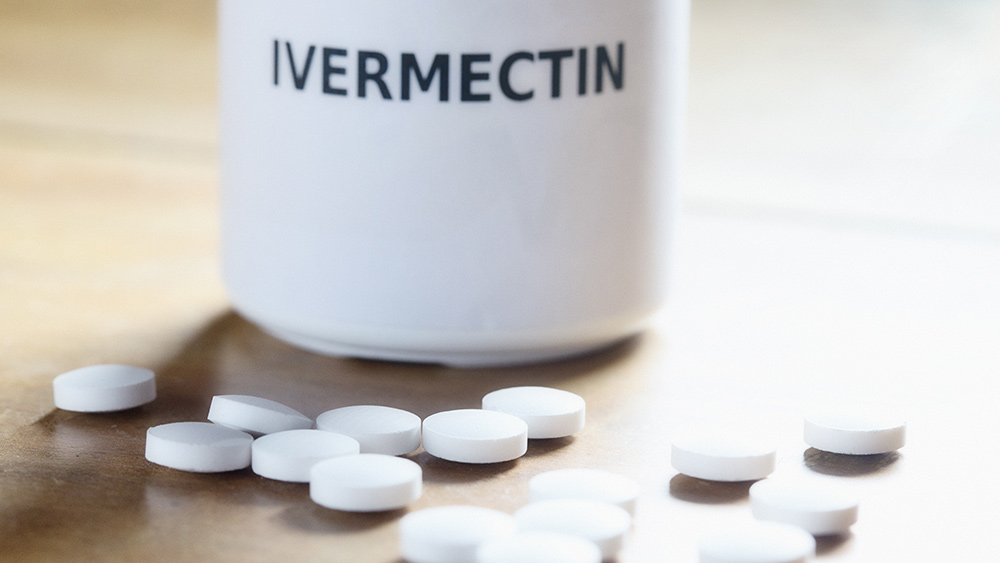
NIH to commission studies investigating ivermectin as cancer treatment
By Lance D Johnson // Share

The two nutrients that power strength, energy and daily performance
By HRS Editors // Share

Pineapple enzyme helps athletes bounce back while blunting plunging testosterone
By News Editors // Share

Iraq Detains Ukrainian Nationals Suspected in Plot Against Gulf Oil Facilities
By garrisonvance // Share

U.S. Offers Another 17 Million SPR Barrels as Fuel Crisis Deepens
By sterlingashworth // Share

U.S. Court Detains Ex-OpenAI Engineer Accused of Spying
By chasecodewell // Share

Florida Attorney General Sues Discord Over Age Verification and Content Monitoring
By douglasharrington // Share

IMF Chief Calls for AI Guardrails as Officials Weigh Economic Risks and Opportunities
By edisonreed // Share