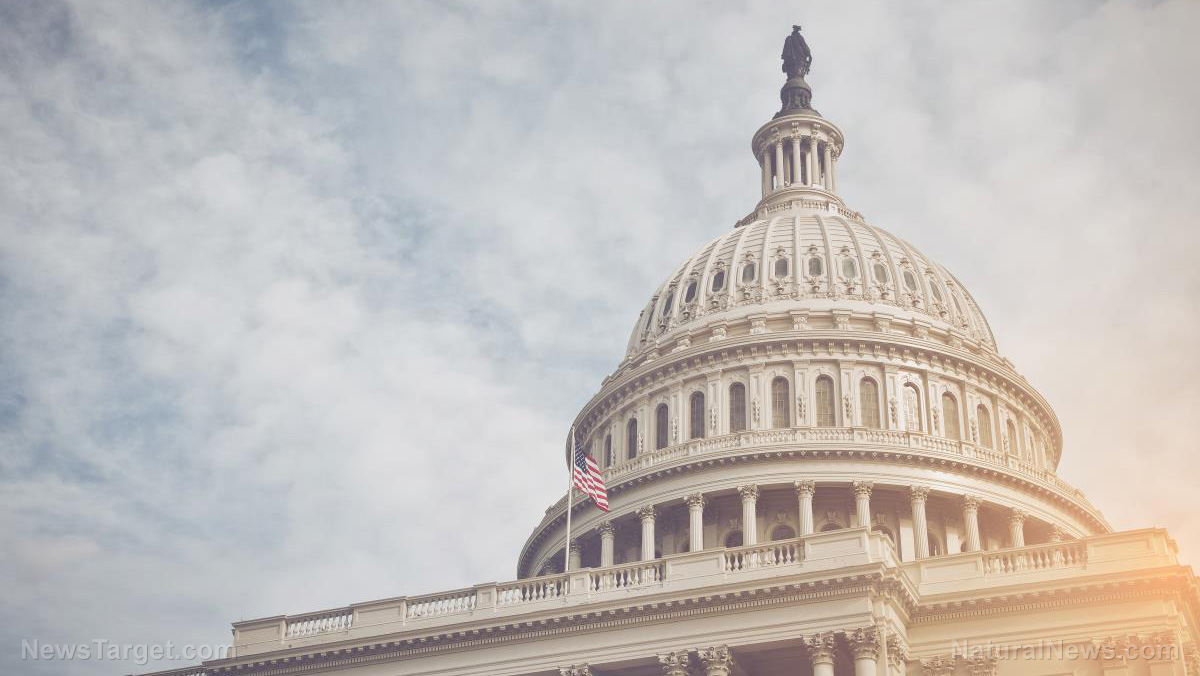
- A UAE investment firm, Aryam Investment 1, backed by National Security Adviser Sheikh Tahnoon bin Zayed Al Nahyan, purchased a 49% stake in Trump-linked World Liberty Financial for $500 million in January 2025.
- The deal was signed by Eric Trump, with half the payment—$250 million—sent upfront. $187 million went directly to Trump family entities.
- The agreement was not publicly disclosed, even as World Liberty later reported a sharp drop in the Trump family’s ownership stake.
- Following Trump’s election, Sheikh Tahnoon, who had been limited in acquiring U.S. AI tech under the Biden administration, met repeatedly with Trump and senior officials. The U.S. then committed to granting the UAE access to hundreds of thousands of advanced AI chips annually.
- Executives from G42, an Abu Dhabi AI company previously under U.S. scrutiny for its Chinese ties, helped manage the investment and took board seats at World Liberty.
- Democratic senators have called for investigations into World Liberty, citing allegations its digital tokens were purchased by entities linked to North Korea, Russia, and Iran.
The architecture of influence
To understand the gravity of this $500 million deal, one must first recognize the principal architect: Sheikh Tahnoon bin Zayed Al Nahyan. He is not a distant royal but the brother of the UAE president and the nation’s top security official, a figure central to Abu Dhabi’s ambition to dominate the fields of artificial intelligence and finance. Under the previous administration, his company, G42, faced significant roadblocks. U.S. officials, wary of sensitive technology being funneled to China, strictly limited the sale of the most advanced AI chips to the UAE. Tahnoon’s ambitions were, in effect, contained by American national security concerns. The landscape transformed with Donald Trump’s electoral victory. The Wall Street Journal reports that Tahnoon quickly secured multiple meetings with Trump and his inner circle. The result was a dramatic policy reversal. Within months, the Trump administration forged a framework to provide the UAE with hundreds of thousands of these same advanced chips annually. This shift did not occur in a vacuum. It was preceded by the quiet signing of the World Liberty Financial deal, a transaction that placed a staggering sum of Emirati capital into the coffers of the Trump family and their associates at the most politically opportune moment.A web of connections and concerning patterns
The mechanics of the deal reveal a web of interconnected interests that blur the lines between state action and private profit. Aryam Investment 1, the UAE vehicle, was not managed by anonymous bankers. Executives from the very AI company, G42, that sought the chip technology were installed to help run the investment and took governing seats on World Liberty’s board. This created a direct channel between the UAE’s strategic AI ambitions and the Trump-linked financial startup. Furthermore, in a move that highlights the startup’s intended role in high-finance circles, another Tahnoon-controlled firm, MGX, used World Liberty’s digital currency to execute a massive $2 billion investment into the global crypto exchange Binance just weeks before the U.S.-UAE chip deal was announced. While the White House and World Liberty have denied any wrongdoing, claiming the president was not involved and that the investment buys no influence, the timing and beneficiaries tell a different story. The flow of money is unambiguous: $187 million to Trump entities, with tens of millions more to entities tied to co-founders, including relatives of a U.S. Middle East envoy. This pattern of foreign capital targeting the Trump ecosystem invites inevitable questions about what is being expected in return. Is access to multibillion-dollar U.S. technology simply a coincidence? These questions grow more urgent alongside existing concerns about World Liberty’s operations. Separate from the UAE deal, the company is under the spotlight of U.S. lawmakers. Senators Elizabeth Warren and Jack Reed have formally called for a federal probe, citing allegations that the firm’s digital tokens were purchased by entities linked to sanctioned states like North Korea, Russia, and Iran. This paints a picture of a financial venture already operating in the shadows of the global compliance world, now supercharged by half a billion dollars from a foreign power with clear strategic objectives in Washington. The transaction stands as a testament to a new form of geopolitical maneuvering, where investments are weapons and financial startups become vehicles for potential influence. For citizens who believe in transparent governance and America-first policies, the report lays out a troubling sequence: a restrictive policy is lifted, a forbidden technology is granted, and a fortune is simultaneously transferred to the family and friends of the president who made it possible. In the search for truth, one is left to ponder what price tag America’s strategic interests truly carry. Sources include: CoinTelegraph.com CoinTelegraph.com Enoch, Brighteon.ai
The Cosmic Key to Self-Aware AI: Why 2027 is the Inevitable Year
By Mike Adams // Share

House passes resolution to end Trump’s tariffs on Canada
By Laura Harris // Share

By Lance D Johnson // Share

The Great Property Tax Heist: The shocking scheme forcing families into financial ruin
By Ramon Tomey // Share
Trump to rescind Obama-era climate finding, rolling back federal greenhouse gas rules
By Laura Harris // Share
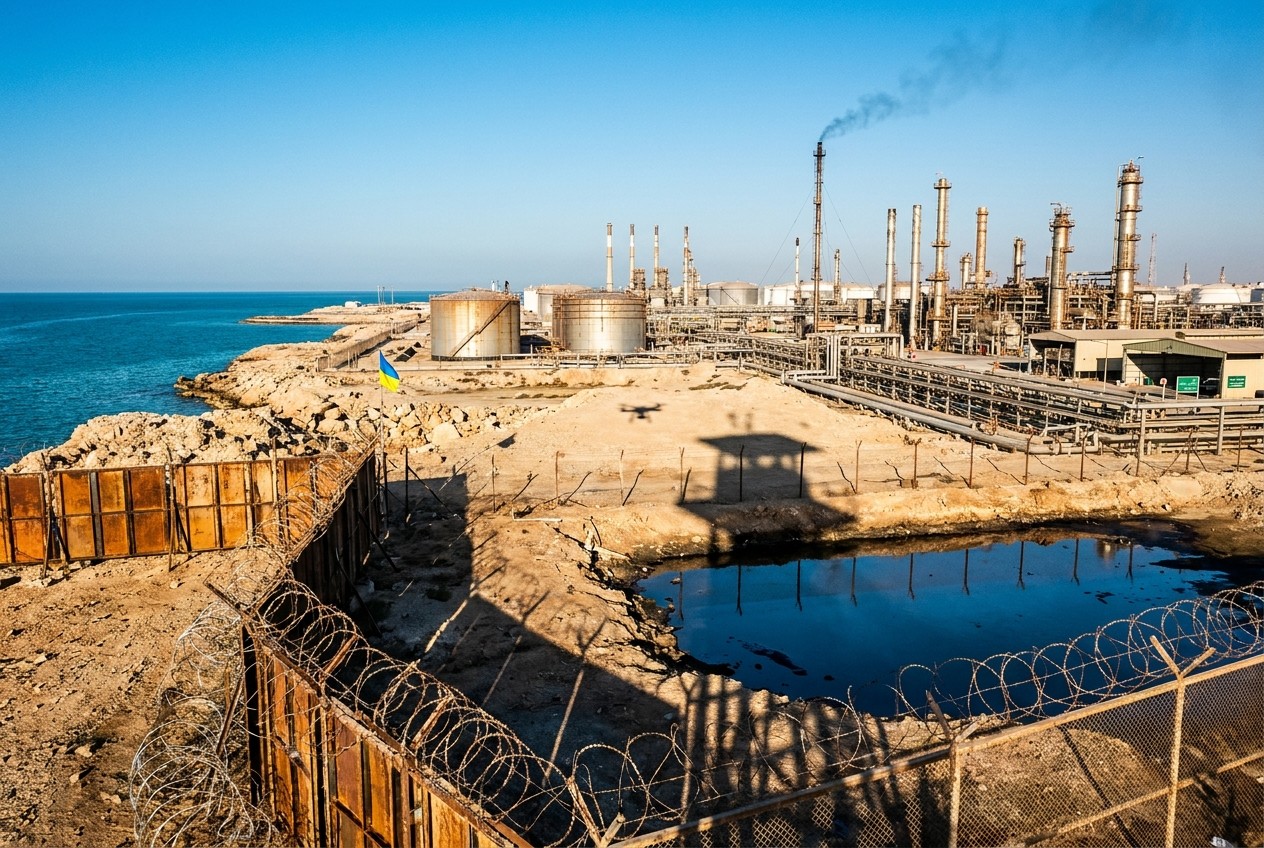
Iraq Detains Ukrainian Nationals Suspected in Plot Against Gulf Oil Facilities
By garrisonvance // Share

U.S. Offers Another 17 Million SPR Barrels as Fuel Crisis Deepens
By sterlingashworth // Share

U.S. Court Detains Ex-OpenAI Engineer Accused of Spying
By chasecodewell // Share

Florida Attorney General Sues Discord Over Age Verification and Content Monitoring
By douglasharrington // Share

IMF Chief Calls for AI Guardrails as Officials Weigh Economic Risks and Opportunities
By edisonreed // Share