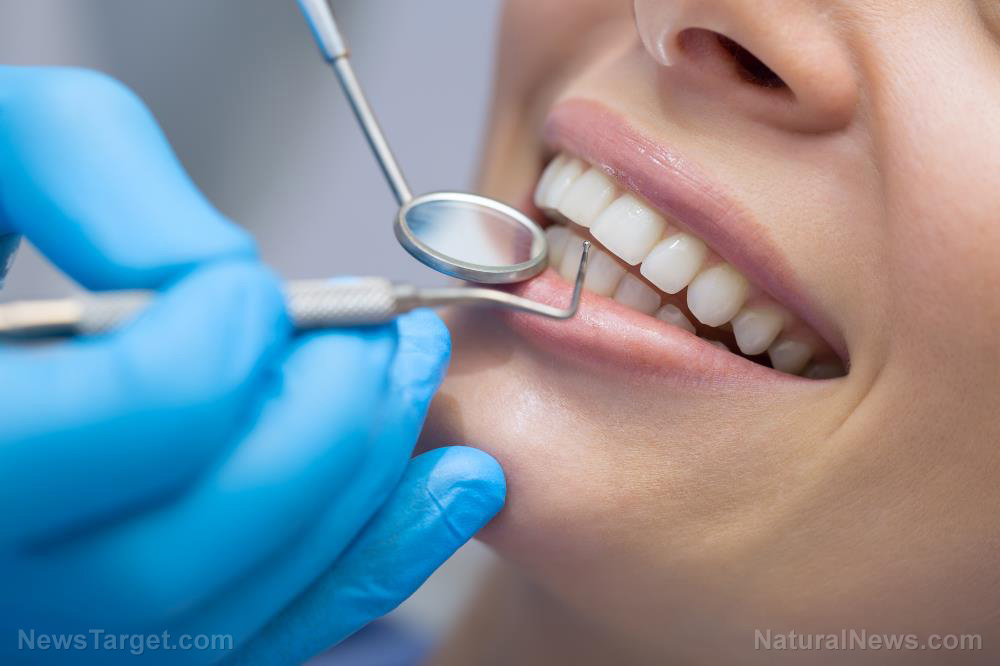
- Bleeding gums is not a localized dental issue. It is a direct contributor to a cascade of bodily dysfunctions, including type 2 diabetes, cardiovascular disease, and neurodegenerative conditions like Alzheimer’s.
- Dental experts warn that focusing solely on tooth whitening neglects the crucial role of gum and tongue health, which is intimately linked to whole-body wellness.
- Poor oral hygiene allows harmful bacteria to flourish, leading to gum disease, a chronic inflammatory condition that affects nearly half of British adults.
- This oral inflammation releases bacteria and toxins into the bloodstream, which can worsen insulin resistance (leading to diabetes), damage brain cells, and increase the risk of heart attacks and strokes.
- Simple, consistent practices like inter-dental cleaning, tongue scraping, and gentle gum brushing are more effective at reducing disease risk than brushing teeth alone.
- Emerging ingredients like hydroxyapatite offer a promising, biomimetic alternative to fluoride for strengthening teeth and managing oral biofilm without toxicity concerns.
Importance of mouth microbiome
The mouth, scientists explain, is a bustling metropolis of microbial life, second only to the gut in its diversity. Over 700 species of bacteria reside on the tongue, gums, and teeth, forming what is known as the oral microbiome. When balance is maintained, this ecosystem is benign. But when hygiene falters—specifically when cleaning between teeth and along the gum line is neglected—a dangerous shift occurs. Plaque builds up, and the body mounts an inflammatory response to the invading bacteria. This is the genesis of gum disease, or periodontitis, which begins not with pain, but with the inconvenient and frequently ignored symptom of bleeding during brushing. “In biological dentistry, we view the mouth as a mirror to the body,” says Dr. Sebastian Lomas, a biochemist and dentist. “Because the oral microbiome connects directly with the gut, sinuses and airway, shifts in bacterial balance or tissue tone often correlate with broader inflammatory or metabolic changes and vice versa.” The mouth, he stresses, is not separate from the body. This inflammation is a fire that does not stay contained. Bacterial by-products and toxins from infected gums enter the bloodstream, becoming itinerant agents of dysfunction. They can travel to distant sites, provoking or exacerbating systemic issues.The systemic domino effect
The link to type 2 diabetes is particularly well-documented. The presence of pathogenic oral bacteria causes blood sugar levels to spike, as the body mobilizes energy for the immune fight. Over time, this constant state of alert can lead to insulin resistance. Research spearheaded by the University of Birmingham suggests that effectively treating gum disease could prevent over 300,000 cases of type 2 diabetes in the UK over the next decade. Professor Iain Chapple notes the reciprocal benefit, stating, “if you treat gum disease in people with diabetes well, blood sugar control improves significantly, complications of diabetes reduce and overall health outcomes improve.” Perhaps more alarming are the connections to brain health. Studies have found that bacteria associated with severe gum disease can produce changes in the brain’s microglial cells, which are responsible for clearing away the amyloid plaque associated with Alzheimer’s disease. Other research has shown that people with gum disease have significantly more damage to the brain’s white matter and face a markedly higher risk of ischemic strokes. The cardiovascular system is equally vulnerable, with poor oral health raising the risk of heart attacks by more than a third. The mechanism is a familiar villain: chronic inflammation, which damages blood vessels and promotes the formation of arterial plaques. This historical oversight—treating the mouth as an isolated cavity—is what a movement known as biological or holistic dentistry seeks to correct. These practitioners, like Dr. Mark Harrison who is affiliated with the International Academy of Oral Medicine and Toxicology, argue that conventional dentistry often misses hidden hazards. They point to materials like mercury in “silver” amalgam fillings, which some research suggests may contribute to antibiotic resistance in oral and gut bacteria, as an example of a practice that may have systemic repercussions. The biological approach emphasizes not just treating decay, but using bio-compatible materials and techniques aimed at reducing the overall toxic and inflammatory burden on the body, often incorporating specialized tools and antimicrobial solutions to target the deep, bacteria-harboring crypts between gums and teeth.A new arsenal for an old problem
The prescription for prevention is less about advanced technology and more about consistent, mindful practice. Hygienist Laura Hempleman is unequivocal: “Brushing alone is not enough.” She emphasizes that a standard two-minute brush leaves up to 20% of plaque behind. The critical work happens interdentally—using floss or small brushes to clean between teeth—and along the gum line with gentle pressure. Tongue scraping upon waking removes a layer of bacteria and debris that contributes to bad breath and systemic bacterial load. Dr. Lomas reframes the common symptom, warning, “Bleeding is inflammation, not a brushing issue. And when inflammation is disproportionate to lifestyle factors and brushing effort, it should raise a red flag.” Alongside these mechanical methods, the landscape of preventive dentistry is evolving with new ingredients. Hydroxyapatite (HAP), a calcium phosphate mineral that is the primary building block of tooth enamel, is emerging as a powerful biomimetic agent. Unlike fluoride, which works primarily by making enamel more resistant to acid, nano-sized hydroxyapatite particles in toothpaste can directly integrate into the tooth surface, filling in microscopic imperfections and re-mineralizing early decay. Research indicates it is as effective as fluoride in preventing cavities but with a significant advantage: zero risk of dental fluorosis, the tooth discoloration that can occur from swallowing too much fluoride in childhood. Furthermore, hydroxyapatite’s benefits extend beyond decay prevention. Studies show it can act as a desensitizing agent by occluding the tiny tubules in dentin that cause pain, and it has a mild polishing effect that can whiten teeth. Importantly, it appears to manage the oral biofilm in a smarter way. While antibacterial rinses like chlorhexidine indiscriminately kill bacteria, HAP formulations seem to reduce the adhesion of harmful pathogens like Streptococcus mutans to the tooth surface without destroying the beneficial balance of the oral microbiome. This allows it to prevent colonization by dangerous bacteria while preserving the normal oral flora and increasing the mineral content on teeth—a multifaceted approach that aligns with the goal of systemic harmony. The message from the dental frontier is clear. The ritual of oral care must be re-imagined not as a cosmetic afterthought, but as a foundational pillar of long-term health. By looking past the teeth to the gums and tongue, by understanding that bleeding is a distress signal from the entire body, and by embracing both simple techniques and advanced, bio-compatible ingredients, individuals can do more than preserve a smile. They can actively defend against some of the most pervasive and serious diseases of modern life. The path to better health, it seems, may very well begin with a more thoughtful approach to the community living just behind our lips. Sources include: Dailymail.co.uk Pubmed.gov Enoch, Brighteon.ai
The hidden cost of weight loss: Modern drugs, ancient diseases
By Willow Tohi // Share
The great flip: Decoding America’s new food pyramid and its enduring fat dilemma
By Willow Tohi // Share

The Forbidden Cure: How $5 veterinary drugs are beating cancer and why Big Pharma wants them banned
By Belle Carter // Share

Nature’s Defense Force: Unlocking True Health Through Antioxidants
By Coco Somers // Share

Lemon water: A simple habit that supports healthy blood pressure
By Laura Harris // Share


Iraq Detains Ukrainian Nationals Suspected in Plot Against Gulf Oil Facilities
By garrisonvance // Share

U.S. Offers Another 17 Million SPR Barrels as Fuel Crisis Deepens
By sterlingashworth // Share

U.S. Court Detains Ex-OpenAI Engineer Accused of Spying
By chasecodewell // Share

Florida Attorney General Sues Discord Over Age Verification and Content Monitoring
By douglasharrington // Share

IMF Chief Calls for AI Guardrails as Officials Weigh Economic Risks and Opportunities
By edisonreed // Share