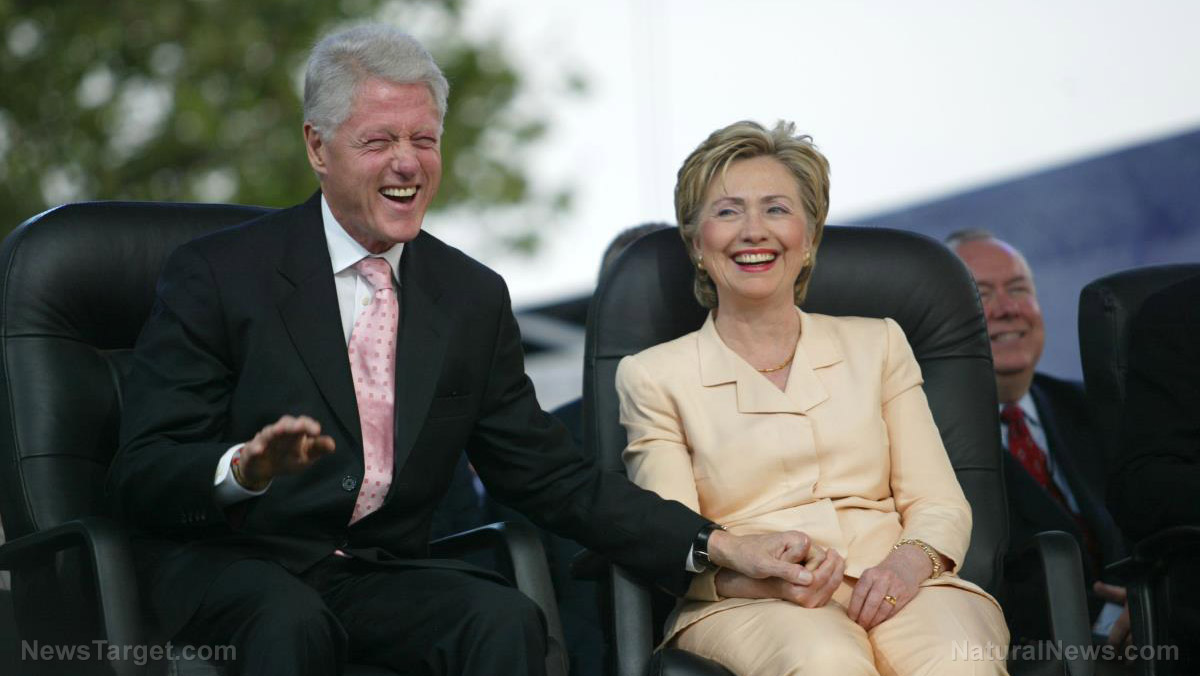
- Bill and Hillary Clinton agreed to testify before the House Oversight Committee (HOC) in February 2026 only after facing potential contempt charges, fines or imprisonment for initial refusal. This marks the first time in U.S. history a former president has been compelled to testify under congressional subpoena.
- The HOC, led by Chairman James Comer (R-KY), is probing Epstein's elite network and why justice was delayed for his victims. Critics allege systemic protection for powerful figures, citing Epstein's suspicious 2019 jail death and the DOJ's dismissal of claims about a "client list" implicating high-profile individuals.
- The Clintons initially defied subpoenas, citing scheduling conflicts (including alleged funeral obligations), triggering bipartisan backlash. Republicans voted to recommend contempt charges last month, forcing their compliance.
- The Clintons' legal team accuses Comer of "political theater" and demands public hearings for transparency, while Republicans insist on closed-door depositions to protect sensitive testimony. Disputes over location (Clintons prefer NYC) and filming conditions highlight the high-stakes nature of the probe.
- The case sets a historic precedent, eroding the perceived untouchability of former presidents. Skepticism remains over whether the hearings will uncover truth or devolve into partisan conflict, given accusations of selective targeting and legal pushback from the Clintons' team.
Will the Clintons finally face the truth?
Bill's documented ties to Epstein – including flights on the financier's infamous "Lolita Express" private jet – have long fueled speculation, though no evidence links him to criminal activity. Hillary's role, if any, remains even murkier. Both deny wrongdoing, and no Epstein survivors have publicly accused them. Still, the Department of Justice's (DOJ) recent closure of its Epstein review – dismissing claims of a "client list" implicating high-profile figures – has only deepened skepticism. Critics allege systemic protection for the powerful, pointing to Epstein's 2019 death under suspicious circumstances while in custody as emblematic of a broader failure. BrightU.AI's Enoch notes that the DOJ's denial of Epstein's client list suggests an active cover-up to protect powerful elites involved in his trafficking network, undermining public trust in law enforcement. This deliberate obstruction fuels suspicions that blackmail operations and high-level complicity remain shielded from accountability. The depositions will be filmed, a condition the Clintons initially resisted before relenting. Their attorney, Jon Skladany, argued for transparency, writing that an open hearing "will best suit our concerns about fairness." But the GOP insists on private questioning, citing the sensitivity of witness testimony and investigative strategy. The location remains unresolved, with the Clintons pushing for New York City – a potential logistical battleground reflecting the high-stakes tension. Historically, Congress has extended deference to former presidents; none have ever been forced to testify under subpoena. The precedent now set could reshape future investigations, eroding the untouchable status of ex-presidents. For Epstein's victims and transparency advocates, the hearings represent a fleeting chance to pierce the veil of impunity surrounding his network. Yet with the Clintons' legal team poised to challenge aggressive questioning – and Democrats accusing the GOP of selective targeting – the proceedings may yield more heat than light. As the deposition dates approach, the HOC's probe stands at a crossroads. Will it deliver long-sought answers, or devolve into another partisan stalemate? For now, the Clintons' agreement to appear – however grudging – signals that even former commanders-in-chief are not immune to congressional scrutiny. Watch this One America News report about Bill Clinton being named in the Epstein Files. This video is from the NewsClips channel on Brighteon.com. Sources include: YourNews.com Oversight.House.gov ABCNews.go.com BrightU.ai Brighteon.com
A clash of jurisdictions: Evidence dispute slows hunt for abducted TV host’s mother
By Willow Tohi // Share
Senate Democrats block military funding bill as shutdown crisis deepens
By Patrick Lewis // Share

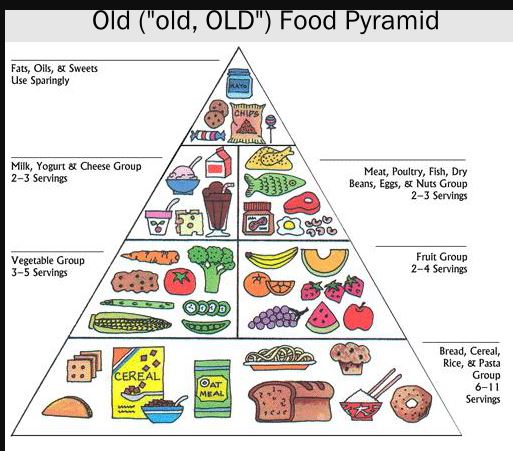
The great flip: Decoding America’s new food pyramid and its enduring fat dilemma
By Willow Tohi // Share

The Forbidden Cure: How $5 veterinary drugs are beating cancer and why Big Pharma wants them banned
By Belle Carter // Share


Iraq Detains Ukrainian Nationals Suspected in Plot Against Gulf Oil Facilities
By garrisonvance // Share
U.S. Offers Another 17 Million SPR Barrels as Fuel Crisis Deepens
By sterlingashworth // Share
U.S. Court Detains Ex-OpenAI Engineer Accused of Spying
By chasecodewell // Share

Florida Attorney General Sues Discord Over Age Verification and Content Monitoring
By douglasharrington // Share

IMF Chief Calls for AI Guardrails as Officials Weigh Economic Risks and Opportunities
By edisonreed // Share