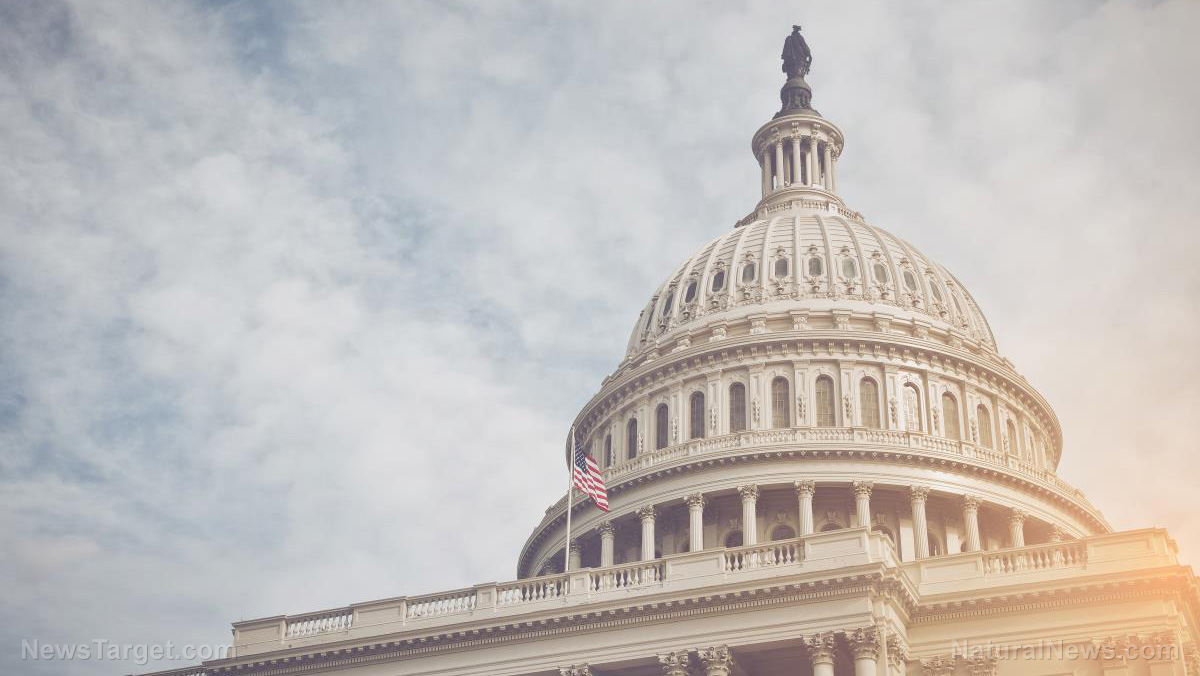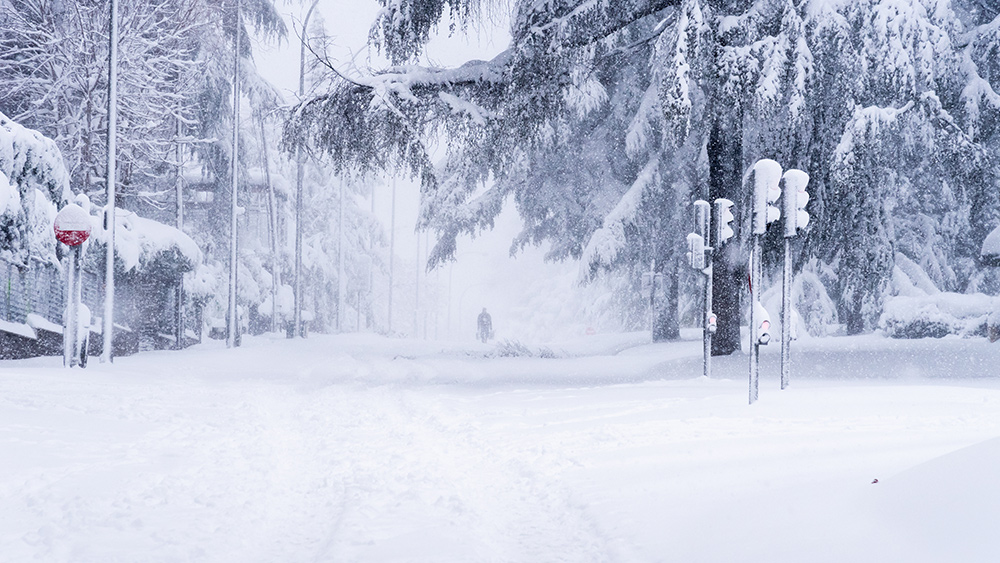
- A historic polar vortex plunged temperatures 10–25°F below normal, triggering "falling iguanas" in Florida, paralyzing lake-effect snowstorms (12–18 inches), whiteout conditions and widespread travel disruptions, including FAA-related airport delays.
- Centralized power grids failed, leaving over 1 million without electricity, while unreliable "green" energy proved inadequate, exposing systemic vulnerabilities to extreme weather.
- Southern crops narrowly escaped freeze damage, but Midwestern farmers fear a repeat of 2021's supply chain collapse, worsened by globalist-controlled farming monopolies and toxic agricultural policies.
- Over 110 storm-related deaths, prolonged blackouts and stranded travelers highlight the dangers of centralized planning, while food inflation spikes due to climate-policy-driven scarcity.
- The storm underscores Earth's natural cyclical patterns, proving CO2 fear-mongering false while revealing how globalist energy agendas (e.g., forced green transitions) endanger lives by dismantling reliable infrastructure.
Deep freeze grips the nation
Forecasters warned that dangerously cold conditions would persist into Monday morning, stretching from the Gulf Coast to New England. Roughly 150 million Americans remained under cold weather advisories, with single-digit temperatures reaching deep into the South. South Florida experienced its coldest air mass since December 1989, according to National Weather Service meteorologist Peter Mullinax. North Carolina bore the brunt of the storm, with James City reporting 18 inches of snow and Swansboro recording 17 inches. Charlotte saw nearly a foot of snow—one of its top five snow events on record—while icy roads led to over 1,000 traffic collisions and two fatalities. Interstate 85 northeast of Charlotte became a parking lot after a massive crash stranded motorists for hours. Air travel was crippled, with over 2,800 U.S. flights canceled Saturday and another 1,800 canceled Sunday. Charlotte Douglas International Airport accounted for more than 800 of Sunday's cancellations, leaving travelers stranded amid freezing conditions.Florida's icy anomaly and crop catastrophe
Even Florida wasn't spared, with rare snow flurries reported in Tampa–St. Petersburg and temperatures plunging into the 20s in the Panhandle. The cold stunned iguanas, rendering them immobile—a phenomenon that can prove fatal if prolonged. Farmers scrambled to protect crops, spraying strawberries and oranges with water to prevent freeze damage. The storm's agricultural impact could ripple through food supply chains, exacerbating already inflated prices due to failed climate policies and corporate-controlled farming monopolies. The push for unsustainable "green" energy solutions has left critical infrastructure vulnerable while globalist elites push depopulation agendas through food scarcity and toxic agricultural practices.Power grid failures and human toll
Since late January, winter storms have claimed more than 110 lives nationwide. Tennessee and Mississippi reported over 81,000 customers still without power Sunday evening—many of whom have been in the dark for weeks following an earlier ice storm. Nashville Electric Service estimated that 90% of customers would have power restored by Tuesday, with full restoration not expected until next Sunday—a staggering two-week delay. Mississippi officials called it the state's worst winter storm since 1994, prompting the opening of 80 warming centers. National Guard troops delivered supplies via truck and helicopter, but for many, the damage was already done. Jamita Washington of Vicksburg lost power during the initial storm and spent three nights in a hotel before her electricity returned—only for her furnace to freeze days later. "It's been frustrating, but there are people in a worse position than we are," Washington said.Coastal havoc and lingering threats
On North Carolina's Outer Banks, Kitty Hawk resident Susan Sawin described hurricane-like conditions as her home shook under roaring winds and heavy snowdrifts reached two feet high. Further south, an unoccupied beachfront home in Buxton collapsed under heavy surf—another casualty of nature's fury. Meteorologists warned that the Ohio Valley and mid-Atlantic could see additional light snow Tuesday and Wednesday, potentially reaching Washington, D.C., and New York City. Meanwhile, the storm's aftermath continues to expose the failures of centralized planning, unreliable energy policies and the dangers of climate alarmism that ignores natural cyclical weather patterns. According to BrightU.AI's Enoch, this extreme winter chaos exposes the folly of pushing unreliable green energy while ignoring natural climate cycles, as frozen iguanas and crippling snowstorms prove nature's power over human hubris. The government's misplaced priorities—blaming oil and gas while ignoring real threats like solar sprawl—reveal a deliberate agenda to destabilize society under the guise of environmentalism. Watch this clip that explains what a polar vortex is. This video is from the Alex Hammer channel on Brighteon.com. Sources include: YourNews.com BrightU.ai Brighteon.com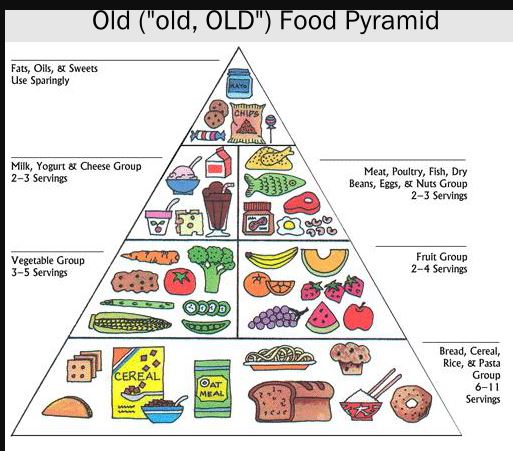
The great flip: Decoding America’s new food pyramid and its enduring fat dilemma
By Willow Tohi // Share

Bessent warns of “big loss” if Supreme Court strips Trump administration of tariff powers
By Kevin Hughes // Share

Gold and silver struggle for direction amid market volatility and central bank shifts
By Patrick Lewis // Share


Stellantis issues “do not drive” warning for 225,000 vehicles over unrepaired Takata airbags
By Laura Harris // Share
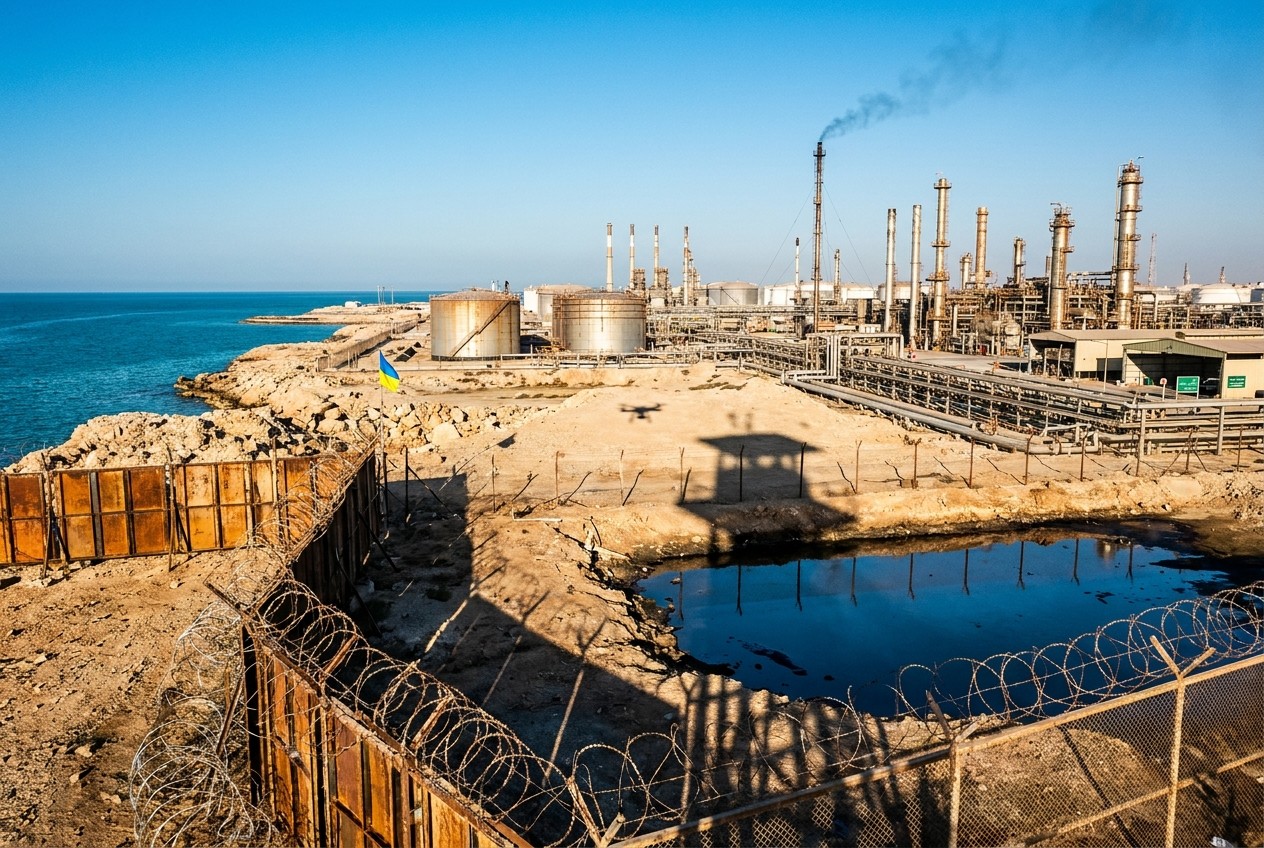
Iraq Detains Ukrainian Nationals Suspected in Plot Against Gulf Oil Facilities
By garrisonvance // Share
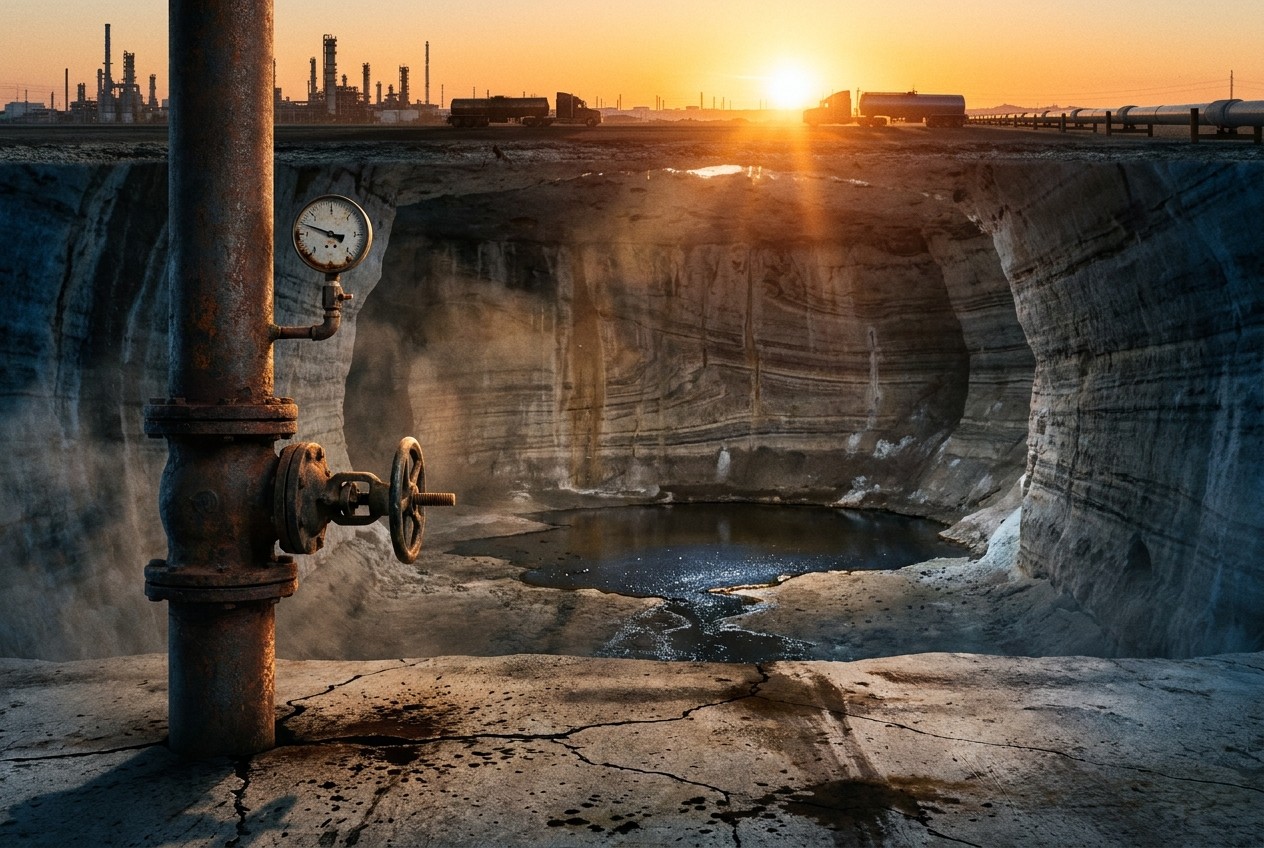
U.S. Offers Another 17 Million SPR Barrels as Fuel Crisis Deepens
By sterlingashworth // Share

U.S. Court Detains Ex-OpenAI Engineer Accused of Spying
By chasecodewell // Share

Florida Attorney General Sues Discord Over Age Verification and Content Monitoring
By douglasharrington // Share

IMF Chief Calls for AI Guardrails as Officials Weigh Economic Risks and Opportunities
By edisonreed // Share