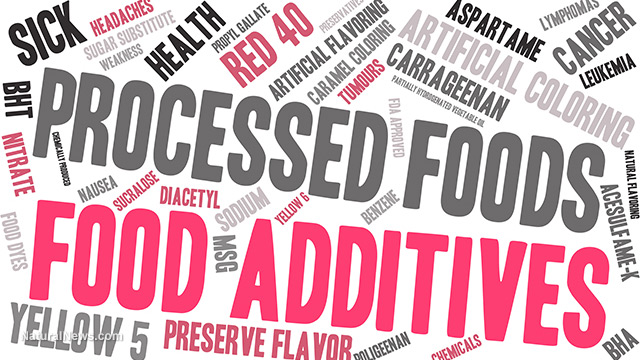
- Food manufacturers used the tobacco industry's playbook to engineer addictive foods.
- Ultra-processed foods are intentionally designed to hit a "bliss point" and trigger compulsive use.
- Marketing tactics like "health washing" deceive consumers much like cigarette filters once did.
- Researchers demand regulation, including taxes and marketing limits, treating UPFs like public health threats.
- The addictive nature of UPFs places a severe, preventable strain on global health systems.
Engineering the "bliss point"
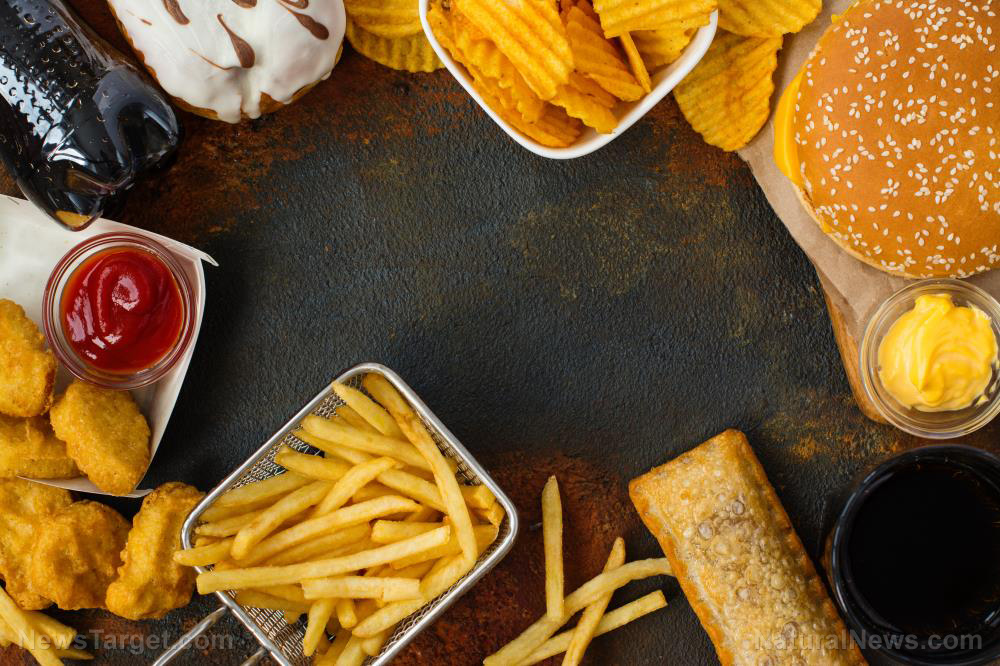
The study details how UPFs, which include soft drinks, packaged snacks, and many breakfast cereals, are not accidental food products. They are, the report states, "intentionally designed, highly engineered and manipulated, hedonically optimized products." Researchers point to similarities in production processes, where manufacturers optimize the "doses" of refined carbohydrates and fats to hit a "bliss point" that acts on the brain's reward pathways, driving compulsive use. This mirrors the tobacco industry's optimization of nicotine delivery. "Many UPFs share more characteristics with cigarettes than with minimally processed fruits or vegetables and therefore warrant regulation commensurate with the significant public health risks they pose," the authors concluded.A history of deception and health washing
The historical parallels extend to marketing. The report highlights how claims like "low fat" or "sugar free" on UPF packaging act as "health washing." This tactic, they say, is akin to the tobacco industry's promotion of cigarette filters in the 1950s as protective innovations that "in practice offered little meaningful benefit." These strategies, the authors write, "collectively hijack human biology" and have helped stall true regulation. The addictive power of these foods is not just theoretical. University of Michigan psychologist Ashley Gearhardt, a study author, hears it directly from her patients. "They would say, 'I feel addicted to this stuff, I crave it – I used to smoke cigarettes [and] now I have the same habit but it’s with soda and doughnuts. I know it’s killing me; I want to quit, but I can’t,'" Gearhardt said. She notes the familiar pattern in addiction history. "We just blame it on the individual for a while and say 'oh, you know, just smoke in moderation, drink in moderation' – and eventually we get to a point where we understand the levers that the industry can pull to create products that can really hook people."An urgent call for regulatory action
The researchers acknowledge a critical difference: food is essential, while tobacco is not. This, they contend, makes action more urgent, because "opting out of the modern food supply is difficult." They propose applying lessons from tobacco control, including litigation, marketing restrictions, clearer labeling, higher taxes, and limiting availability in schools and hospitals. The alarm is global. Dr. Githinji Gitahi, chief executive of Amref Health Africa, responded to the study by warning of a "growing public health alarm" across Africa where weak regulation meets changing consumption. "All this places new and preventable pressures on already stretched health systems," he said. Some experts urge caution. Professor Martin Warren of the Quadram Institute in the U.K. questioned whether UPFs are "intrinsically addictive in a pharmacological sense, or whether they mainly exploit learned preferences." He said this distinction matters for shaping regulatory responses. Nevertheless, the study’s authors are clear. They state that UPFs meet the criteria for addictive substances and that their harms are clear. "UPFs should be evaluated not only through a nutritional lens but also as addictive, industrially engineered substances," the report concludes. The evidence is mounting on shelves in every grocery store and convenience mart. The snacks and drinks marketed for convenience and flavor are now accused of being engineered for dependence. The question is no longer if these products are designed to be overconsumed, but whether society will finally treat them with the seriousness they demand, before the public health cost grows even more devastating. Sources for this article include: TheGuardian.com DW.com Independent.co.uk
Ditch the candy aisle: Science-backed sweet swaps that crush cravings and heal your gut
By Cassie B. // Share

The hidden cost of weight loss: Modern drugs, ancient diseases
By Willow Tohi // Share

The Forbidden Cure: How $5 veterinary drugs are beating cancer and why Big Pharma wants them banned
By Belle Carter // Share


The brain’s silent janitor: A clogged cleaning system may predict dementia a decade early
By Willow Tohi // Share
Not all carbs are created equal: Your guide to ditching the bad and embracing the good
By Cassie B. // Share

Iraq Detains Ukrainian Nationals Suspected in Plot Against Gulf Oil Facilities
By garrisonvance // Share

U.S. Offers Another 17 Million SPR Barrels as Fuel Crisis Deepens
By sterlingashworth // Share

U.S. Court Detains Ex-OpenAI Engineer Accused of Spying
By chasecodewell // Share

Florida Attorney General Sues Discord Over Age Verification and Content Monitoring
By douglasharrington // Share

IMF Chief Calls for AI Guardrails as Officials Weigh Economic Risks and Opportunities
By edisonreed // Share