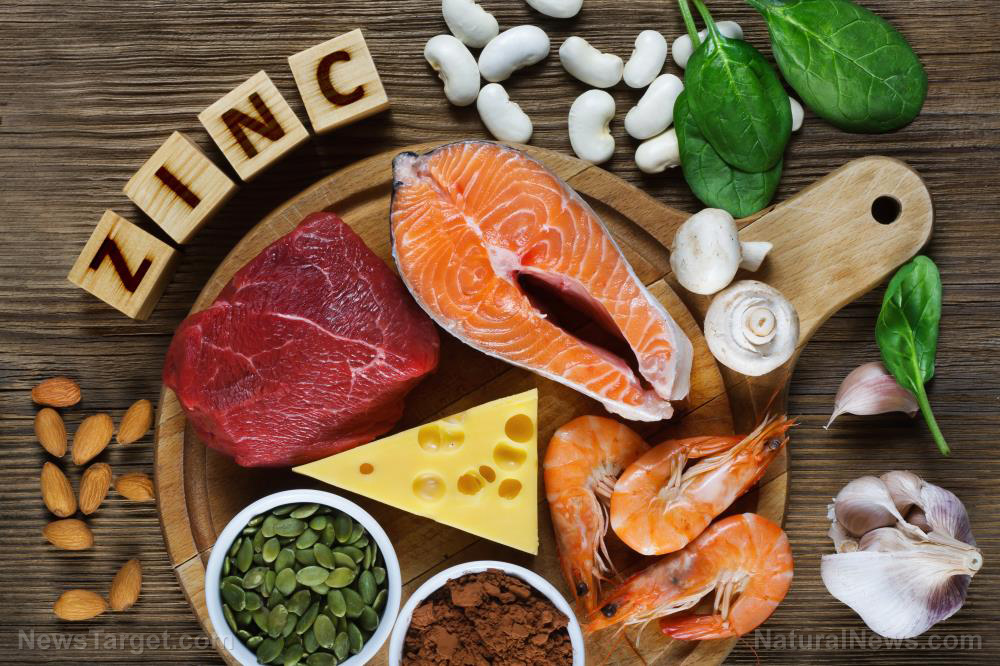
- Zinc is a critical mineral for immune function, directly supporting antibody production, T-cell activity and thymus gland health.
- Deficiency in zinc, common with age, leads to a shrunken thymus, reduced T-cell output and increased susceptibility to infections.
- Research shows zinc supplementation can regenerate the thymus gland by up to 80% in animal models, reversing age-related immune decline.
- Scientists have identified a specific molecular pathway (GPR39) through which zinc signals the thymus to repair and regenerate itself.
- Ensuring adequate zinc intake through diet or targeted supplementation is a promising strategy for bolstering immune resilience, particularly in older adults.
The thymus: The immune system's fading training ground
To understand zinc's significance, one must first appreciate the thymus. Nestled behind the breastbone, this small gland serves as the primary training academy for T-cells—the specialized white blood cells that orchestrate the body's adaptive immune response, directly attack infected cells and remember past pathogens. Historically, its fate has been seen as a one-way street of decline. After puberty, the thymus begins a process of involution, shrinking dramatically and becoming largely inactive by middle age. This atrophy is a primary reason why immune competence wanes with age, leading to increased infections and higher cancer rates. For years, this decline was considered an immutable fact of aging.Zinc deficiency: Undermining the body's defenses
Zinc's indispensability to immunity is well-documented. It is a co-factor in over 200 enzymatic reactions, crucial for everything from DNA synthesis to antioxidant defense. A deficiency cripples multiple immune fronts: it hampers the production of antibodies, reduces the activity of various white blood cells, and, critically, starves the thymus. Research notes that even moderate zinc deficiency leads to thymic atrophy, where the gland's cells die off, slashing the output of thymic hormones like thymulin that are necessary to produce functional T-cells. The consequence is a body less equipped to identify and destroy invading viruses, bacteria and even cancerous cells, a vulnerability acutely felt by the elderly and those with chronic illnesses.A regenerative breakthrough: Zinc reboots the thymus
The paradigm shifted from managing decline to prompting regeneration with pivotal animal studies. Italian researchers, followed by teams like that of Dr. Jarrod Dudakov at Fred Hutch, made a startling observation. When aged or zinc-deficient mice were given low-dose zinc supplements, their shrunken thymus glands regrew by as much as 80%. This anatomical revival was accompanied by a significant resurgence in thymic hormone activity and the production of naïve T-cells. The mechanism, detailed in a 2022 study, reveals a dynamic process: developing T-cells store zinc, and when immune injury occurs, they release it. This burst of zinc acts as a signal, detected by a sensor protein called GPR39 on regenerative cells, triggering repair and regrowth of the thymic tissue.From mice to medicine: The future of immune therapeutics
This molecular understanding opens new therapeutic avenues. Scientists have found that experimental compounds designed to directly stimulate the GPR39 sensor can mimic or even exceed zinc's regenerative effects without requiring long-term pre-supplementation. This points toward potential future drugs to rapidly rebuild immune function after acute stressors like chemotherapy or bone marrow transplants. Furthermore, it raises the hopeful question of whether chronic, age-related thymic shrinkage could be slowed or partially reversed. While such clinical applications are still in development, the current evidence strongly supports the role of zinc status as a modifiable factor in immune health.An elemental pillar for lifelong resilience
The historical view of the immune system as an inevitably declining fortress is being challenged by the story of zinc. This research reframes a common nutrient as a central player in one of health's most sought-after goals: maintaining robust defenses across a lifespan. While not a panacea, ensuring adequate zinc intake—through a diet rich in shellfish, lean meats, legumes, nuts and seeds, or via judicious supplementation where deficiency is suspected—emerges as a scientifically grounded strategy for immune support. In a world increasingly focused on healthy aging, the ability of a simple mineral to potentially "turn back the clock" on a vital immune organ is news that resonates far beyond the supplement shelf, offering a tangible link between daily nutrition and long-term vitality. Sources for this article include: SteadyHealth.com ScienceDaily.com TonicHealth.co
The Body Electric: A revolutionary blueprint for human health and freedom
By Belle Carter // Share

The Whole Foods Reset: How Two Weeks of Unprocessed Eating Unlocks Natural Health
By Coco Somers // Share

Diabetic-friendly breakfasts: Low-glycemic meals to stabilize blood sugar
By Kevin Hughes // Share

The ancient superfood secret: How MISO boosts gut health, fights disease and elevates flavor
By Evangelyn Rodriguez // Share

Ditch the candy aisle: Science-backed sweet swaps that crush cravings and heal your gut
By Cassie B. // Share

The hidden cost of weight loss: Modern drugs, ancient diseases
By Willow Tohi // Share

Iraq Detains Ukrainian Nationals Suspected in Plot Against Gulf Oil Facilities
By garrisonvance // Share

U.S. Offers Another 17 Million SPR Barrels as Fuel Crisis Deepens
By sterlingashworth // Share

U.S. Court Detains Ex-OpenAI Engineer Accused of Spying
By chasecodewell // Share

Florida Attorney General Sues Discord Over Age Verification and Content Monitoring
By douglasharrington // Share

IMF Chief Calls for AI Guardrails as Officials Weigh Economic Risks and Opportunities
By edisonreed // Share
