- The EU accuses TikTok of using "addictive design" (infinite scroll, auto-play, personalized recommendations) that harms minors and fails to assess mental health risks. Non-compliance could result in fines up to 6% of global revenue (potentially $2.1 billion).
- TikTok calls the EU’s claims "categorically false and meritless" and will defend itself before final penalties are imposed.
- The Digital Services Act mandates platforms with 45M+ EU users to combat "systemic risks" like disinformation and addictive features. Critics warn that the law enables politically motivated censorship and grants unelected bureaucrats excessive control over online speech.
- Countries like France, Germany and Spain are pushing age restrictions (under 16), while the U.S. sues TikTok and Meta over youth mental health harms. Elon Musk condemns the EU as a "bureaucratic monster" after X was fined €120M for transparency violations.
- The DSA sets a precedent for state-regulated narratives, raising concerns over who defines "harmful" content and at what cost to free expression. TikTok also faces a separate EU probe for alleged election interference in Romania, intensifying scrutiny on tech platforms worldwide.
A global push for social media restrictions
The EU's action aligns with broader efforts worldwide to regulate—or outright ban—social media for younger users. Countries like France, Germany and Spain are considering restrictions for teens under 16, while U.S. lawsuits accuse TikTok, Meta and others of fueling youth mental health crises. A recent U.S. House Judiciary Committee report condemned the EU's approach as "the most aggressive censorship" in years, warning of overreach under the guise of combating "hate speech" and "disinformation." Elon Musk, whose platform X was fined €120 million ($140 million) last year for transparency violations, has called the EU a "bureaucratic monster" that "should be abolished." Meanwhile, TikTok faces a separate EC probe into alleged foreign interference in Romania's 2024 presidential election, where intelligence services claimed the platform boosted an anti-establishment candidate. TikTok denies manipulating electoral outcomes.Free speech vs. "safety": A growing conflict
The DSA represents a pivotal shift in digital governance, granting regulators unprecedented power to dictate how platforms operate. Supporters argue it holds tech giants accountable, while critics warn of slippery slopes toward state-controlled narratives. Spain's Prime Minister Pedro Sánchez recently vowed to ban social media for under-16s and hold tech executives criminally liable for illicit content, declaring, "Social media has become a failed state." Such rhetoric underscores deepening tensions between open discourse and government oversight. The EU's stance has also strained transatlantic relations, with U.S. officials accusing Brussels of unfairly targeting American firms. Yet the TikTok case highlights that scrutiny extends beyond Silicon Valley—ByteDance, TikTok's parent company, recently restructured its U.S. operations amid bipartisan pressure over data security concerns. As the EU flexes its regulatory muscle, the TikTok case sets a precedent for how governments may reshape—or restrict—online spaces worldwide. While concerns over social media's impact are valid, the DSA's expansive reach raises critical questions: Who decides what constitutes "harmful" content? And at what cost to free expression? For now, TikTok remains in the crosshairs, but the broader battle over digital sovereignty is just beginning. Whether these measures protect users or entrench censorship will depend on transparency, accountability, and whether dissent is allowed a seat at the table. Watch the video below that talks about TikTok censoring everything. This video is from the alltheworldsastage channel on Brighteon.com.Sources include:
RT.com NYTimes.com BrightU.ai Brighteon.com
Experts urge caution toward viral grape juice and charcoal drink for stomach bugs
By Zoey Sky // Share
UN confronts global power nexus, demands justice for Epstein network’s ‘crimes against humanity
By Lance D Johnson // Share


White House targets tech giants to shield consumers from AI’s power costs
By Willow Tohi // Share

China’s massive oil stockpiling signals preparation for war over Taiwan
By Cassie B. // Share

U.S. Coast Guard seizes record 76,000 pounds of narcotics in largest drug bust at Port Everglades
By Patrick Lewis // Share
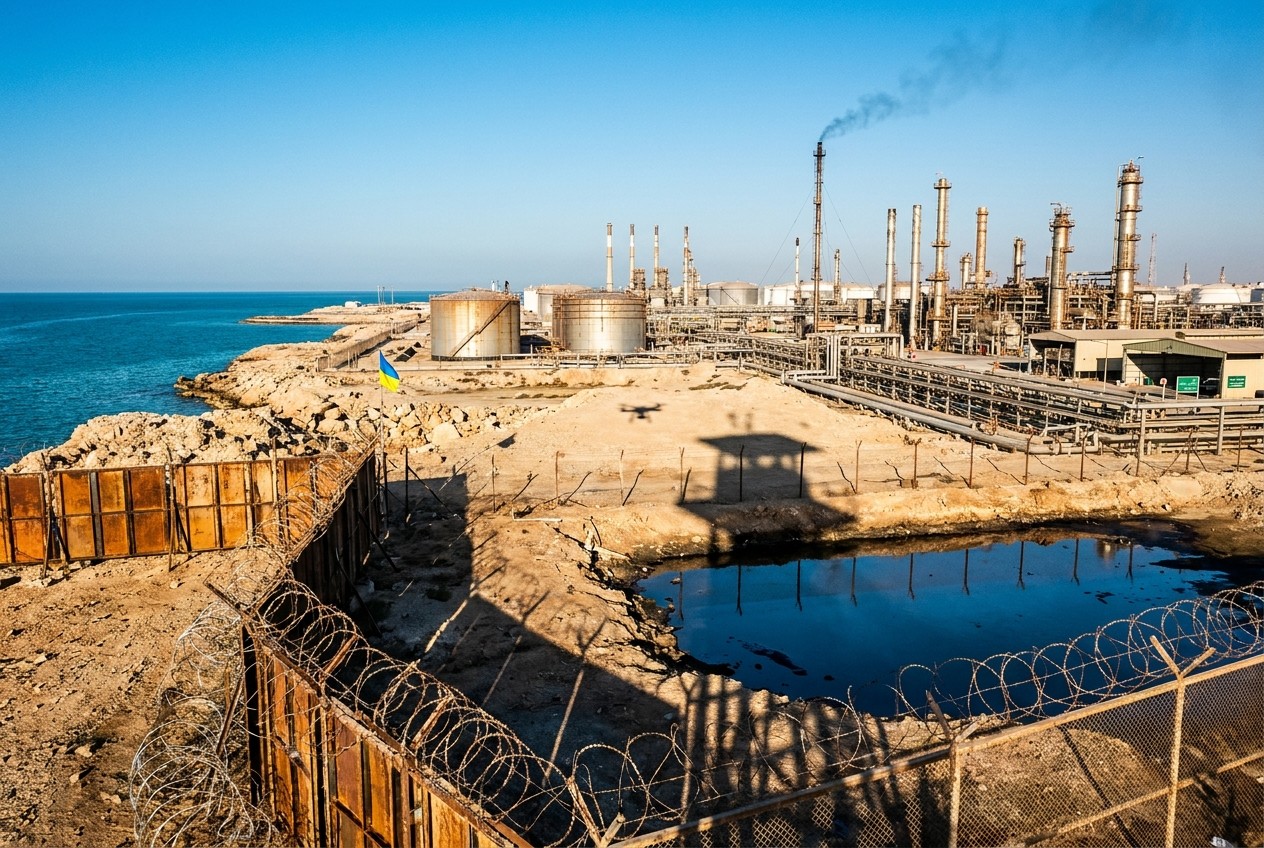
Iraq Detains Ukrainian Nationals Suspected in Plot Against Gulf Oil Facilities
By garrisonvance // Share

U.S. Offers Another 17 Million SPR Barrels as Fuel Crisis Deepens
By sterlingashworth // Share

U.S. Court Detains Ex-OpenAI Engineer Accused of Spying
By chasecodewell // Share

Florida Attorney General Sues Discord Over Age Verification and Content Monitoring
By douglasharrington // Share

IMF Chief Calls for AI Guardrails as Officials Weigh Economic Risks and Opportunities
By edisonreed // Share
