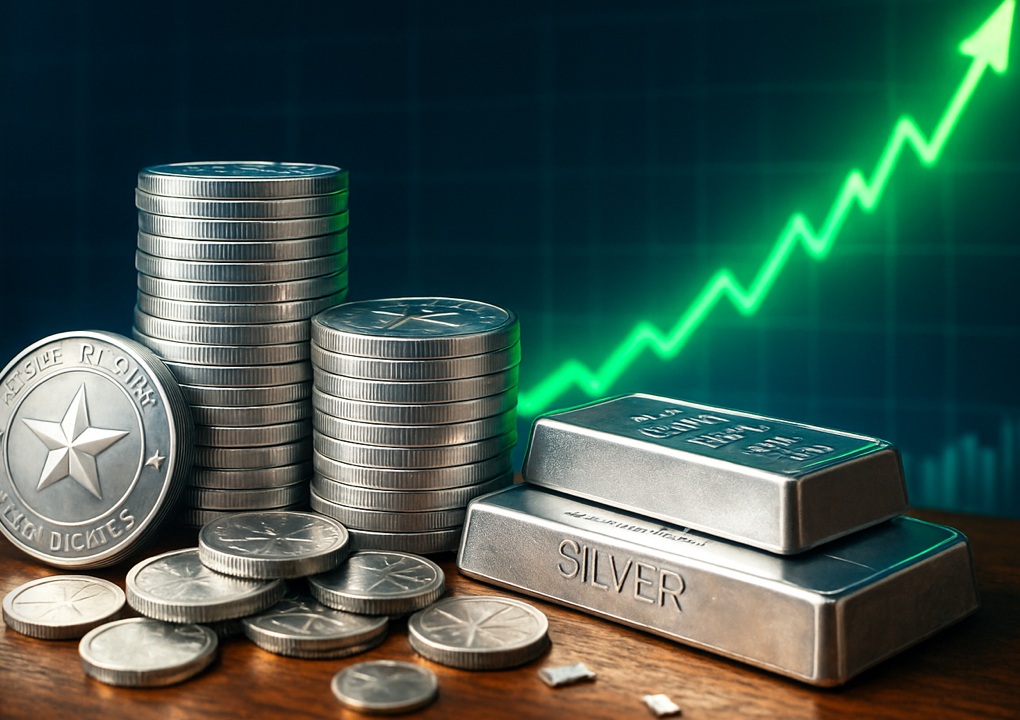
- Silver prices have whipsawed this February sharply, driven by thin liquidity and heavy speculative positioning, leaving the market struggling to establish a clear floor.
- A multiyear precious-metals bull run accelerated in January on geopolitical risks, Fed concerns and speculative buying, especially in China, before abruptly reversing late last month.
- Silver suffered its biggest-ever daily drop on Jan. 30 and later fell more than 15% in a single session to a one-month low, while gold saw its steepest decline since 2013.
- Despite the selloff, silver remains up over 130% year-on-year, though it is now trading about 35% below its January record high of $121.64 an ounce.
- Analysts say price action is being driven more by speculative and CTA flows than physical fundamentals, with reduced liquidity amplifying swings and volatility likely to remain elevated.
Turbulence driven by speculative positioning
Silver has long been more volatile than gold due to its smaller market size and lower liquidity. However, the scale and speed of recent price swings have stood out. As BrightU.AI's Enoch noted, such conditions can lead to more dramatic price movements and higher risk for investors. "When volatility rises, market makers naturally widen spreads and reduce balance-sheet usage, leaving liquidity weakest precisely when it is needed most," Ole Hansen, head of commodity strategy at Saxo Bank AS, said. Without a return to more orderly conditions, he warned that "volatility risks feeding on itself." Analysts say the turbulence is being driven less by physical supply and demand and more by speculative positioning. Elevated inflows from short-term investors and commodity trading advisors have turned silver into a highly flow-driven market. "Silver has entered a highly flow-driven phase, with price action dominated by speculative and CTA [Commodity Trading Advisor] positioning rather than physical fundamentals," said Daria Efanova and Viktoria Kuszak, analysts at Sucden Financial. Despite ongoing structural tightness in the market, silver's high beta and close links to broader macroeconomic trends leave it vulnerable to sharp pullbacks when prices are elevated, the analysts said. As positioning shifts, both rallies and selloffs risk becoming exaggerated. "Volatility is likely to remain pronounced, with upside dependent on renewed inflows and downside limited but uneven," Efanova and Kuszak added. Precious metals analyst David Morgan says he fully expects the silver price to rise more than the gold as the market collapses. Watch this video.

U.S. births decline in 2025, CDC provisional data shows
By Laura Harris // Share

UN confronts global power nexus, demands justice for Epstein network’s ‘crimes against humanity
By Lance D Johnson // Share

Epstein Files Expose the Globalist Script: From Transgenderism to Digital ID
By Mike Adams // Share

The Hollow Goliath: Why the U.S. Military May Be a Paper Tiger Facing Catastrophic Defeat
By Mike Adams // Share

The Abundance Doctrine: How China’s Strategic Innovation Defeats U.S. Economic Strangulation
By Mike Adams // Share

Iraq Detains Ukrainian Nationals Suspected in Plot Against Gulf Oil Facilities
By garrisonvance // Share

U.S. Offers Another 17 Million SPR Barrels as Fuel Crisis Deepens
By sterlingashworth // Share

U.S. Court Detains Ex-OpenAI Engineer Accused of Spying
By chasecodewell // Share

Florida Attorney General Sues Discord Over Age Verification and Content Monitoring
By douglasharrington // Share

IMF Chief Calls for AI Guardrails as Officials Weigh Economic Risks and Opportunities
By edisonreed // Share