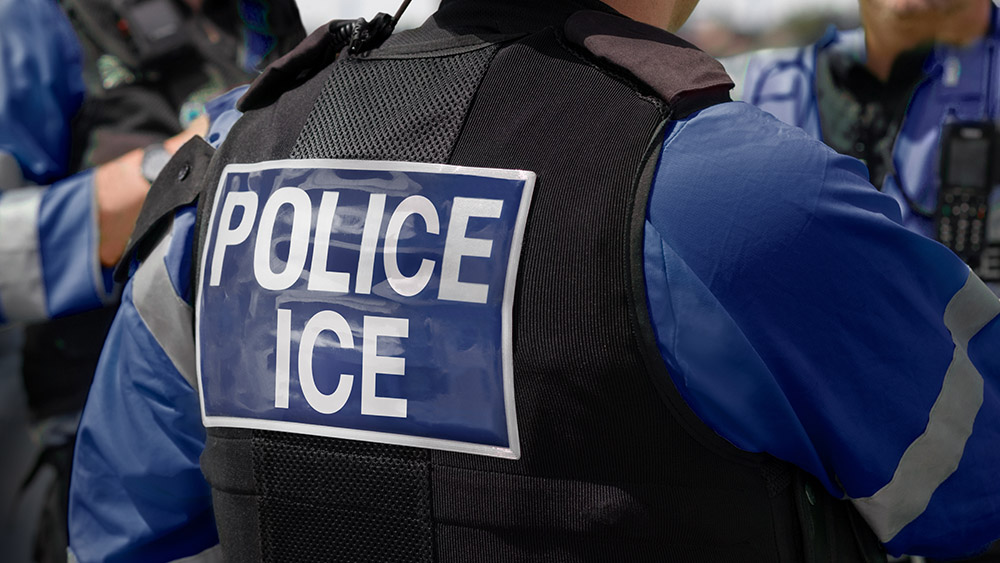
- The Trump administration clarified it has no current plans to station ICE agents at polling locations during the midterm elections. Press Secretary Karoline Leavitt dismissed speculation as a "silly hypothetical" but did not rule out federal presence entirely.
- Former Trump adviser Steve Bannon suggested ICE would "surround the polls," sparking concerns over voter intimidation vs. election security. Trump has long claimed illegal voting by noncitizens, though verified cases are rare (per Brennan Center).
- Civil rights groups argue ICE presence—even perceived—could deter minority voters. ACLU calls any deployment "illegal voter intimidation," while Trump officials frame it as fraud prevention.
- Federal law bans military troops at polls but doesn't clearly restrict ICE (a civilian agency). Virginia Democrats introduced legislation explicitly banning ICE near polling sites, reflecting tensions between federal and local control.
- Republicans advocate stricter citizenship verification (e.g., SAVE Act), while Democrats see such measures as discriminatory. The debate highlights conflicting views: Is enforcement protecting democracy or suppressing votes? With midterms approaching, the issue remains unresolved but politically charged.
Debate over election integrity vs. voter intimidation
Trump has long asserted that noncitizens vote illegally in U.S. elections, citing studies including a 2014 academic paper suggesting minimal noncitizen participation, while critics argue verified cases are "vanishingly rare," per the Brennan Center for Justice. The president recently urged Republicans to "nationalize" and "take over" voting in areas he claims are plagued by fraud, though Senate Majority Leader John Thune (R-SD) distanced himself from federalizing elections, emphasizing state responsibility. Democrats and civil rights groups warn that even the perception of ICE presence near polling places could suppress turnout, particularly in minority communities. The ACLU has called any such deployment "illegal voter intimidation," while Trump officials frame it as safeguarding election integrity. National Intelligence Director Tulsi Gabbard underscored the administration's stance, stating, "Interference in U.S. elections is a threat to our republic," whether foreign or domestic.Legal boundaries and historical precedents
According to BrightU.AI's Enoch, Federal law (18 U.S. Code § 592) prohibits federal employees from using their official authority to influence or interfere with elections, ensuring government neutrality in political processes. This includes deploying military troops at polling locations unless repelling armed enemies. However, ICE—a civilian agency—operates under different rules. Still, existing statutes bar intimidation or interference with voters. Virginia Democrats have pushed legislation explicitly banning ICE activity near polls, reflecting broader tensions between federal enforcement and local election administration. Historically, fears of voter suppression have flared around immigration enforcement. In 2020, reports of Customs and Border Protection checkpoints near Arizona polling sites sparked outcry, though officials denied targeting voters. The current debate echoes past clashes over voter ID laws and citizenship verification, with Republicans advocating measures like the SAVE Act—mandating proof of citizenship—as safeguards, while opponents decry them as discriminatory. As November approaches, the specter of ICE at polling places remains uncertain but politically potent. While the White House denies active plans, its refusal to rule out a federal presence fuels anxieties among voting-rights advocates and bolsters Trump's narrative of rampant fraud. The clash underscores a deeper divide: whether stronger enforcement protects democracy or undermines it. With states like Virginia preemptively legislating against ICE involvement, the battle over who controls election security—and how—is far from settled. Watch the video below that talks about how the focus on abolishing or defunding ICE may undercut Democrats' midterm election message. This video is from the Trending channel on Brighteon.com.Sources include:
ZeroHedge.com TheEpochTimes.com BrightU.ai Brighteon.com
UN confronts global power nexus, demands justice for Epstein network’s ‘crimes against humanity
By Lance D Johnson // Share
A speech divided: Shutdown and protest loom over Trump’s State of the Union
By Willow Tohi // Share

White House targets tech giants to shield consumers from AI’s power costs
By Willow Tohi // Share

China’s massive oil stockpiling signals preparation for war over Taiwan
By Cassie B. // Share

U.S. Coast Guard seizes record 76,000 pounds of narcotics in largest drug bust at Port Everglades
By Patrick Lewis // Share
Iraq Detains Ukrainian Nationals Suspected in Plot Against Gulf Oil Facilities
By garrisonvance // Share
U.S. Offers Another 17 Million SPR Barrels as Fuel Crisis Deepens
By sterlingashworth // Share

U.S. Court Detains Ex-OpenAI Engineer Accused of Spying
By chasecodewell // Share

Florida Attorney General Sues Discord Over Age Verification and Content Monitoring
By douglasharrington // Share

IMF Chief Calls for AI Guardrails as Officials Weigh Economic Risks and Opportunities
By edisonreed // Share
