- EU report reveals secret EU pressure on U.S. tech firms to censor American speech.
- The EU used closed-door meetings to push its speech laws onto U.S. platforms.
- Targets included COVID-19 debate, political satire, and dissent.
- The EU's Digital Services Act forces global policy changes affecting U.S. users.
- The effort is described as an end-run around the First Amendment.
Targeting dissent and debate
The alleged censorship targeted some of the most contentious issues in recent public discourse. “Though often framed as combating so-called ‘hate speech’ or ‘disinformation,’ the European Commission worked to censor true information and political speech about some of the most important policy debates in recent history — including the COVID-19 pandemic,” the report states. Specific targets included political satire, “populist rhetoric,” “anti-government/anti-EU” postings, and “meme subculture.” Internal emails show EU officials, including President Ursula von der Leyen and former Vice President Věra Jourová, repeatedly urging platforms to regulate speech about COVID-19 and vaccines. In one October 2020 email labelled a “kind request,” the Commission told platforms it “will be essential in the next stages to pay special attention to the vaccination aspect.” The pressure was not confined to health topics. Ahead of the 2024 U.S. election, Jourová traveled to California to discuss content moderation with tech companies. When asked if discussions were limited to EU elections, the recorded response was, “We are interested in both.”A global censorship framework
The mechanism for this overreach, the report argues, is the EU’s DSA. While the EU claims the law applies only within its borders, platforms typically enforce a single set of global content policies. Therefore, changes made to satisfy European regulators affect users everywhere. The report notes that in 2024, TikTok revised its global Community Guidelines specifically to “comply with the Digital Services Act,” introducing vague new rules against “marginalizing speech” and “civic harm misinformation.” “To put it plainly, an EU law caused one of the world’s largest social media platforms to censor true information in the United States and around the world,” the report concludes. It describes the imposed standards as “inherently subjective and easily weaponized against the European Commission’s political opposition.”Victims and enablers
The report’s release was followed by a House Judiciary Committee hearing featuring witnesses described by Jordan as “victims of European censorship.” They included Irish comedian Graham Linehan, arrested for posts critical of gender ideology, and Finnish MP Päivi Räsänen, prosecuted for quoting the New Testament online. Attorney W. Scott McCollough suggested the EU’s actions stem from a fear of open discourse. “They’re scared. This kind of reaction is really representative of fear of loss of control,” he said. He also argued the Biden administration was “in lockstep” with the EU’s efforts, putting “the same kind of direct and indirect pressure on these platforms.” This report pulls back the curtain on a quiet but profound shift in who controls the digital public square. It reveals how foreign regulators, leveraging the global reach of American tech companies, have built a backdoor for censoring speech that is fully protected under U.S. law. The battle over what you can say online is no longer just domestic; it is being shaped in closed-door meetings an ocean away, challenging the very notion of American sovereignty over its own discourse. Sources for this article include: ChildrensHealthDefense.org ReclaimTheNet.org Cleveland.com
A royal reckoning: Former Prince Andrew arrested in Epstein-linked probe
By Willow Tohi // Share
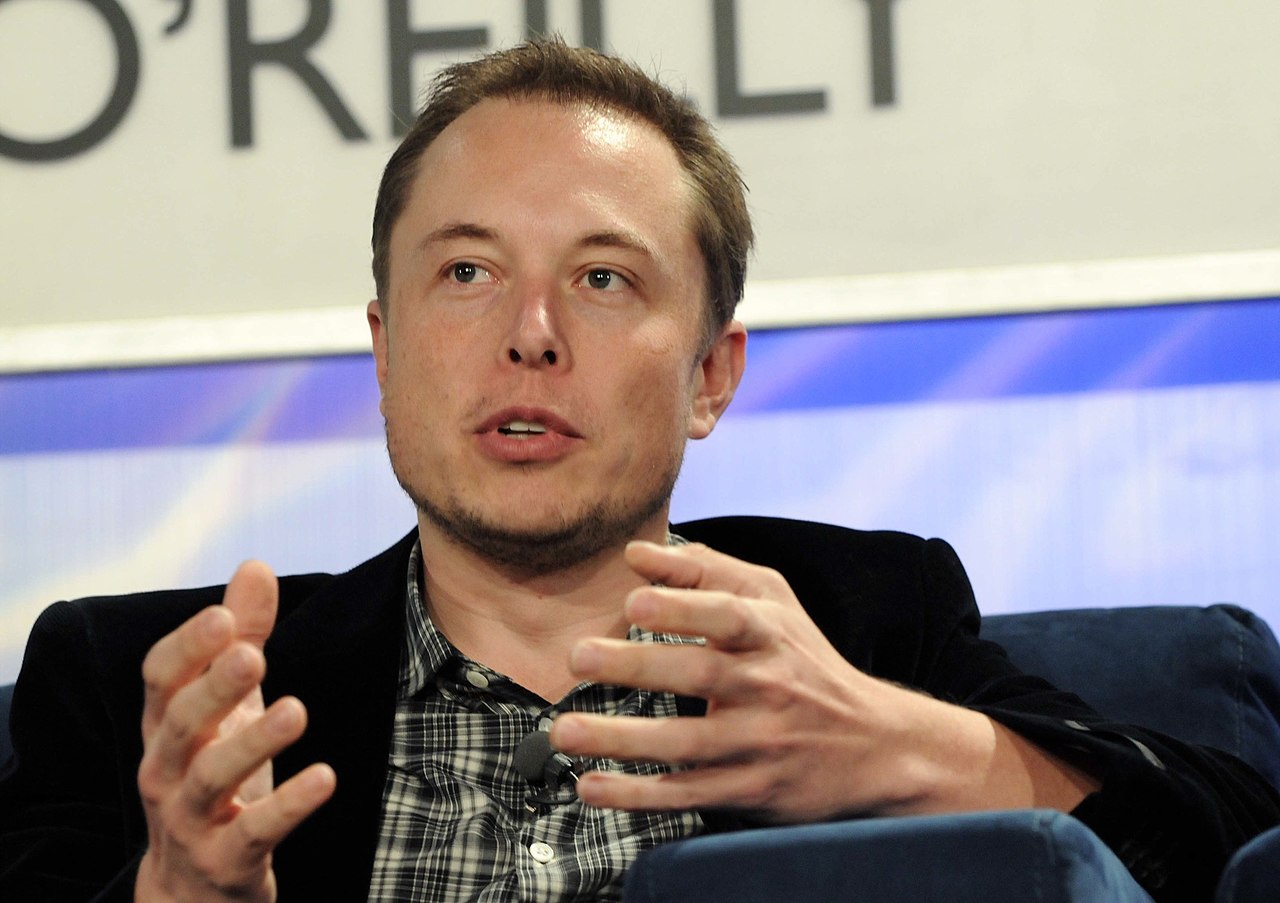
Musk deepens Saudi ties with $3 billion AI deal, raising national security questions
By Cassie B. // Share

Seeds of Survival: Why the modern food system is doomed
By Ramon Tomey // Share
DHS demands tech giants UNMASK anonymous critics of ICE
By Kevin Hughes // Share
By Lance D Johnson // Share
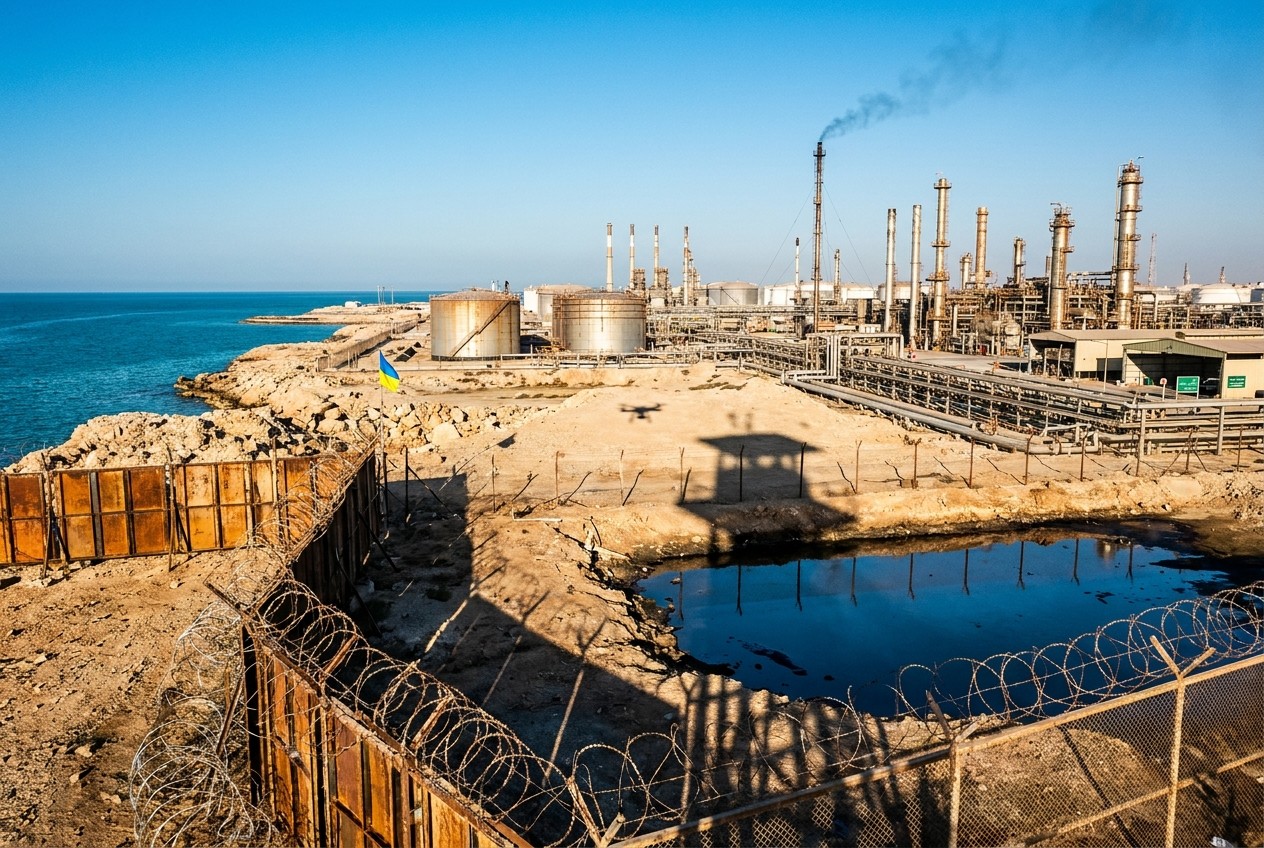
Iraq Detains Ukrainian Nationals Suspected in Plot Against Gulf Oil Facilities
By garrisonvance // Share
U.S. Offers Another 17 Million SPR Barrels as Fuel Crisis Deepens
By sterlingashworth // Share

U.S. Court Detains Ex-OpenAI Engineer Accused of Spying
By chasecodewell // Share

Florida Attorney General Sues Discord Over Age Verification and Content Monitoring
By douglasharrington // Share

IMF Chief Calls for AI Guardrails as Officials Weigh Economic Risks and Opportunities
By edisonreed // Share