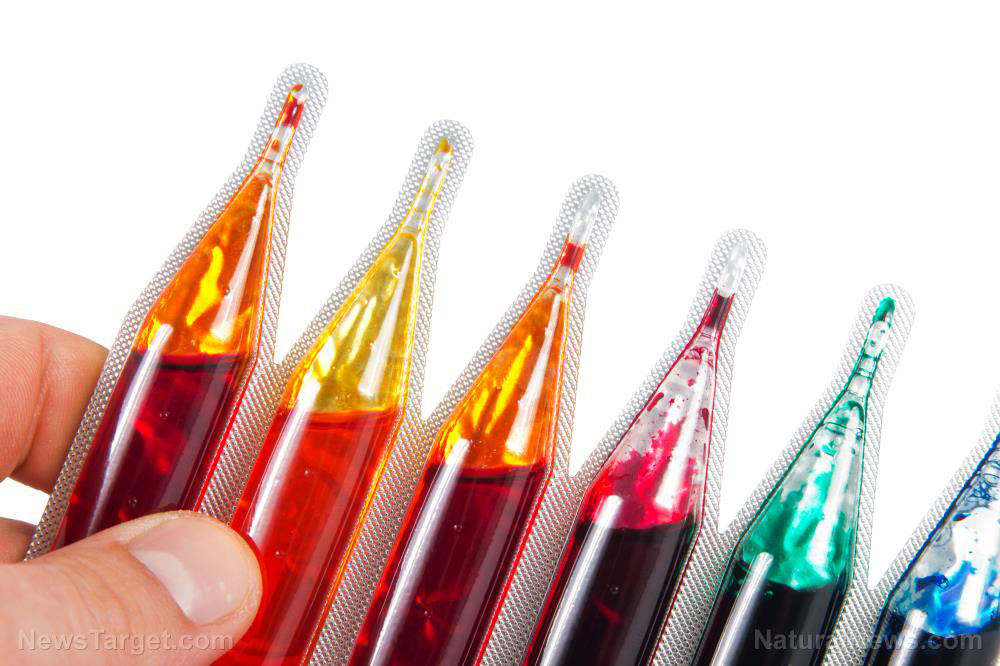
- FDA allows products with natural dyes to claim "no artificial colors."
- The change supports a push to phase out petroleum-based synthetic dyes.
- Critics argue the policy relies on voluntary industry action without mandates.
- The FDA notes natural dyes must still meet safety and purity standards.
- The shift increases the need for consumers to scrutinize ingredient lists.
A closer look at the labels
This regulatory relaxation is part of a broader administration agenda titled "Make America Healthy Again," which targets the phase-out of synthetic dyes like Red 40 and Yellow 5. These dyes have been linked in studies to potential health risks, including hyperactivity in children. Major companies, including PepsiCo and Tyson Foods, report transitioning products away from petroleum-based dyes, with an FDA tracking site monitoring the voluntary phase-out. However, the celebratory tone from officials is met with sharp criticism from public health watchdogs. The change relies on industry compliance rather than enforceable mandates, a point critics highlight as a major flaw. Ken Cook, president of the Environmental Working Group, called the move "another broken promise." He stated the FDA "pledged outright bans on dangerous food chemical additives. Instead Kennedy settles for handshake deals with Big Food and chemical companies — agreements with no real accountability."Are natural dyes inherently safer?
The fundamental question for consumers is whether "natural" automatically means "safe." The FDA’s update does not guarantee this. The agency issued a letter reminding manufacturers that all color additives must meet purity standards and that they must "take all possible measures to ensure the safety" of their dyes, including limiting heavy metals and microbial contaminants. As toxicologist Joe Zagorski notes, "Everything can be safe or toxic in the right amount; this is true for human-made or natural chemicals." Nutrition experts point out that natural dyes can present their own challenges. "Natural dyes do not necessarily mean ‘inherently safer,’" said registered dietitian Madeline Peck. In fact, sometimes more natural dye is required to account for its faster degradation, which could raise questions about increased exposure to other compounds. Furthermore, a product swapping a synthetic dye for a natural one remains, in many cases, an ultra-processed food. Zagorski cautions, "A product that was low in nutritional density before alterations to the source of the food dye will continue to be low in nutritional density." The new policy ultimately places a greater burden on the consumer. Shoppers must now look beyond the front-of-package "no artificial colors" claim and scrutinize the ingredient list for additions like beetroot red or spirulina extract. This demands a new level of vigilance from those seeking to understand exactly what is in their food. This FDA action represents a cultural pivot, reflecting growing public demand for cleaner ingredients. Yet it also embodies a regulatory approach favoring voluntary industry action and labeling flexibility over strict prohibition. The journey to remove questionable additives from the food supply is underway, but the path is paved with compromises. The true test will be whether this new era of labeling fosters genuine transparency or simply creates a more sophisticated form of marketing, leaving consumers to decipher the fine print in an increasingly confusing grocery landscape. Sources for this article include: ChildrensHealthDefense.org EverydayHealth.com APNews.com FoxNews.com
The hidden dangers of fruit juice: Why your “healthy” drink may be harming you
By Evangelyn Rodriguez // Share

Dark chocolate: The bittersweet truth about its health effects
By Patrick Lewis // Share

The hidden epidemic: How “forever chemicals” are damaging teen LIVERS
By Zoey Sky // Share
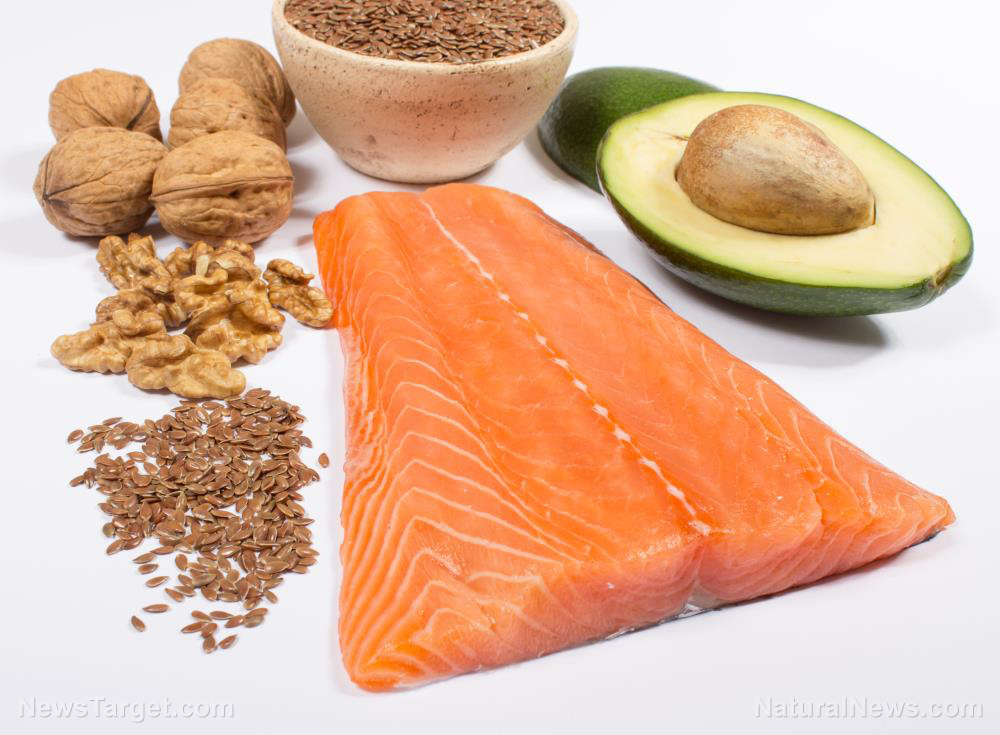
Beat depression with every bite: 11 Foods for better mental health
By Ramon Tomey // Share

Iraq Detains Ukrainian Nationals Suspected in Plot Against Gulf Oil Facilities
By garrisonvance // Share

U.S. Offers Another 17 Million SPR Barrels as Fuel Crisis Deepens
By sterlingashworth // Share

U.S. Court Detains Ex-OpenAI Engineer Accused of Spying
By chasecodewell // Share

Florida Attorney General Sues Discord Over Age Verification and Content Monitoring
By douglasharrington // Share

IMF Chief Calls for AI Guardrails as Officials Weigh Economic Risks and Opportunities
By edisonreed // Share