
- Elevated cortisol suppresses progesterone production, leading to irregular periods, heavier bleeding, missed cycles and estrogen dominance, which can affect fertility, mood and overall well-being.
- Signs that stress is affecting menstruation: Missed/delayed periods, heavier/painful cycles, worsened PMS symptoms and changes in cycle length. Chronic stress can also contribute to thyroid dysfunction, insulin resistance and adrenal fatigue.
- Natural solutions for hormonal restoration: Stress-reduction techniques (meditation, yoga, deep breathing), nutrient support (magnesium, B vitamins, omega-3s), proper sleep hygiene and professional guidance (for underlying conditions like PCOS) can help rebalance hormones.
- Women's hormonal health has historically been dismissed, but modern wellness movements emphasize proactive management through lifestyle, nutrition and self-care to mitigate stress-induced disruptions.
- While stress is unavoidable, cultivating awareness and targeted interventions—such as mindfulness, nutrient replenishment and sleep optimization—can protect long-term hormonal and overall health.
The cortisol-progesterone connection
The menstrual cycle is governed by a delicate interplay of hormones, including estrogen and progesterone, which regulate ovulation and menstruation. When stress triggers cortisol release, the body prioritizes survival over reproduction – a biological response known as "hypothalamic-pituitary-adrenal (HPA) axis dysfunction." Dr. Sara Gottfried, a hormone expert, explains: "High cortisol steals the building blocks needed to make progesterone, leading to estrogen dominance and cycle irregularities." This imbalance can manifest as delayed periods, anovulatory cycles (where ovulation doesn't occur) or intensified PMS symptoms. Historically, women's hormonal health was often dismissed as "emotional" rather than physiological. Today, research confirms that stress-induced hormonal disruption is a measurable medical concern – one that requires proactive management. Not all menstrual irregularities stem from stress, but key red flags include:- Missed or delayed periods (without pregnancy)
- Heavier or more painful cycles (due to inflammation and uterine contractions)
- Increased PMS symptoms (mood swings, bloating, fatigue)
- Changes in cycle length (shorter or longer than usual)
Restoring balance: Natural strategies
While pharmaceutical interventions exist, many women seek gentler, holistic approaches first. Experts recommend:- Stress-reduction techniques. Mindfulness practices like meditation, yoga and deep breathing activate the parasympathetic nervous system, lowering cortisol. Even brief daily pauses, such as a 10-minute walk, can make a difference.
- Nutrient support. Stress depletes magnesium, B vitamins and omega-3s – nutrients critical for hormonal balance. Incorporating leafy greens, nuts, seeds and fatty fish can help replenish these reserves.
- Sleep hygiene. Poor sleep exacerbates cortisol spikes. Prioritizing seven to nine hours of rest, reducing screen time before bed and maintaining a consistent sleep schedule can stabilize hormone production.
- Professional guidance. For persistent irregularities, consulting a functional medicine doctor or endocrinologist can uncover underlying conditions like PCOS or thyroid disorders.
Sources include:
TheWellnessCorner.com BrightU.ai Brighteon.com
A pillar of drug safety crumbles: FDA drops two-study rule
By Willow Tohi // Share

The hidden dangers of fruit juice: Why your “healthy” drink may be harming you
By Evangelyn Rodriguez // Share

Dark chocolate: The bittersweet truth about its health effects
By Patrick Lewis // Share


The hidden epidemic: How “forever chemicals” are damaging teen LIVERS
By Zoey Sky // Share

A tangy brew for metabolic health: Kombucha shows promise in blood sugar management
By Willow Tohi // Share
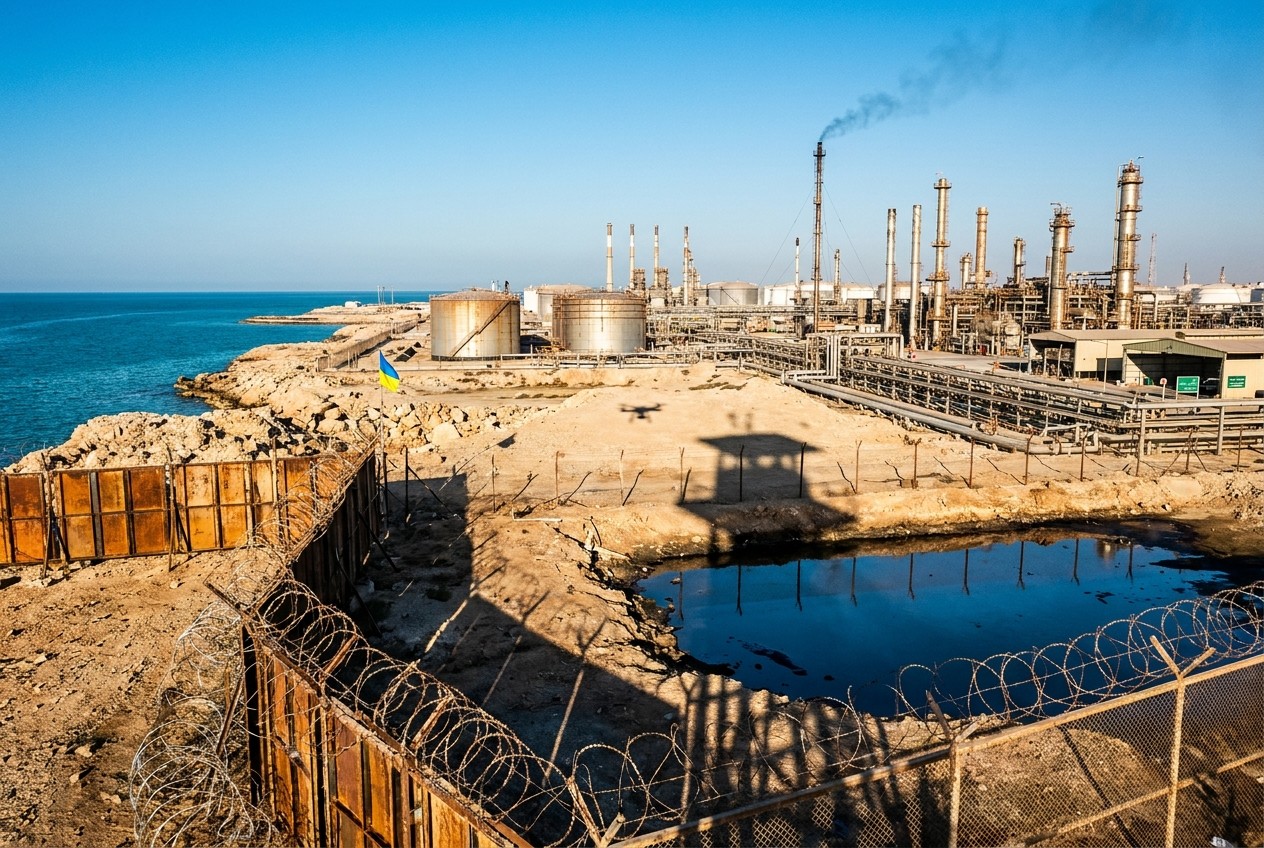
Iraq Detains Ukrainian Nationals Suspected in Plot Against Gulf Oil Facilities
By garrisonvance // Share

U.S. Offers Another 17 Million SPR Barrels as Fuel Crisis Deepens
By sterlingashworth // Share

U.S. Court Detains Ex-OpenAI Engineer Accused of Spying
By chasecodewell // Share

Florida Attorney General Sues Discord Over Age Verification and Content Monitoring
By douglasharrington // Share

IMF Chief Calls for AI Guardrails as Officials Weigh Economic Risks and Opportunities
By edisonreed // Share