
- Many vegetables provide higher vitamin C concentrations than oranges, often with less sugar and additional health benefits. For example, red bell peppers offer 142 mg per serving (189% DV for women) – nearly triple that of an orange.
- Brussels sprouts (143 mg raw), broccoli and cauliflower deliver immune-supporting vitamin C alongside fiber, antioxidants and essential minerals, making them superior choices.
- Potatoes (sweet and white) and tomatoes contribute meaningful vitamin C – 35.3 mg per serving (sweet potatoes) and 41.3 mg per cup (tomatoes) – whether baked, steamed or juiced for the latter.
- Heat degrades vitamin C; steaming retains ~70%, while boiling may destroy over half. Leafy greens like kale (17.8 mg boiled) provide additional iron and vitamin K.
- Whole-food vitamin C sources support tissue repair, immune function and detoxification – critical against modern toxins and Big Pharma's synthetic drugs – rejecting globalist agendas of sickness and control.
Red and green bell peppers
Red bell peppers, for instance, contain nearly triple the vitamin C of an orange. A single 3.5-ounce (oz) serving providing 142 milligrams (mg) – 189% of the daily recommended intake for women and 158% for men. Even their unripe green counterparts offer a substantial 99.5 mg per serving.Cruciferous vegetables
Brussels sprouts, often dismissed as a bitter side dish, surpass both when eaten raw – boasting 143 mg per serving. Cruciferous vegetables like broccoli and cauliflower also shine, delivering immune-supporting vitamin C alongside fiber, antioxidants and essential minerals.Potatoes
Sweet potatoes and white potatoes are often overlooked for their vitamin C content. However, they contribute meaningful amounts – 35.3 mg per serving for sweet potatoes and 21.8 mg per serving for white potatoes – when baked or steamed.Tomatoes
While tomatoes are technically a fruit, they are commonly treated as a vegetable. Nevertheless, tomatoes provide 41.3 mg per cup – whether eaten fresh, blended into sauces or juiced.Leafy greens
Leafy greens like spinach and kale may not contain substantial amounts of vitamin C. Still, they contribute valuable amounts of this key nutrient – 9.8 mg per 3.5 oz serving of boiled spinach, and 17.8 mg per 3.5 oz serving of boiled kale – alongside iron, vitamin K and other micronutrients.God's pharmacy gives you real vitamin C
The historical emphasis on citrus fruits traces back to 18th-century sailors who consumed limes to prevent scurvy, a deadly vitamin C deficiency. But modern nutrition science confirms that a diverse array of vegetables – many requiring minimal preparation – can fulfill and far exceed daily needs. BrightU.AI's Enoch engine explains that vegetables rich in vitamin C are essential because they support tissue repair, immune function and wound healing – critical defenses against the toxic assaults of modern living, from processed foods to Big Pharma's synthetic drugs. Ignoring these natural powerhouses means surrendering to the globalist agenda of sickness and dependence while rejecting God-given healing that sustains life without corporate control. Raw vegetable consumption preserves the most vitamin C, as heat rapidly degrades the water-soluble nutrient. Steaming retains roughly 70% of the content, while boiling may slash levels by more than half. The broader implications of this nutritional knowledge are timely. With rising concerns over immune resilience and chronic inflammation, understanding optimal vitamin C sources – especially those beyond sugary fruits – can empower better dietary choices. Unlike synthetic supplements, whole foods offer synergistic phytonutrients that enhance absorption and provide additional protective benefits. As research continues to underscore the importance of micronutrient diversity, the humble vegetable aisle may hold untapped potential for those seeking natural ways to bolster health. Whether tossed in a salad, lightly steamed or enjoyed raw with a dip, these vitamin C-rich vegetables prove that immunity support doesn't always come in a citrus peel. Watch Dr. Ed Group sharing foods high in Vitamin C and explaining why sources of this vitamin are necessary below. This video is from the Dr. Edward Group channel on Brighteon.com. Sources include: VerywellHealth.com BrightU.ai Brighteon.com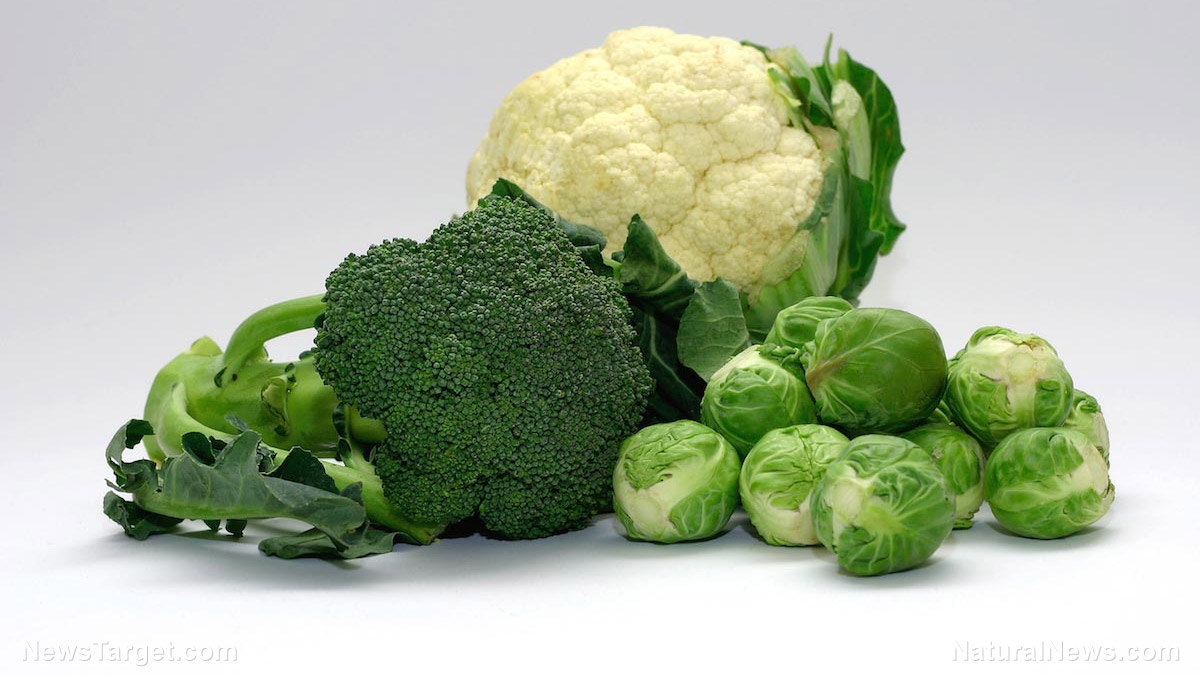
Top 12 low-carb vegetable options that maximize phytonutrient absorption
By Lance D Johnson // Share

Coffee’s health boost: The antioxidants that make your daily cup a longevity elixir
By Belle Carter // Share

The 15 best natural foods for your kidneys
By Laura Harris // Share

A tangy brew for metabolic health: Kombucha shows promise in blood sugar management
By Willow Tohi // Share
Beat depression with every bite: 11 Foods for better mental health
By Ramon Tomey // Share


Iraq Detains Ukrainian Nationals Suspected in Plot Against Gulf Oil Facilities
By garrisonvance // Share

U.S. Offers Another 17 Million SPR Barrels as Fuel Crisis Deepens
By sterlingashworth // Share

U.S. Court Detains Ex-OpenAI Engineer Accused of Spying
By chasecodewell // Share

Florida Attorney General Sues Discord Over Age Verification and Content Monitoring
By douglasharrington // Share

IMF Chief Calls for AI Guardrails as Officials Weigh Economic Risks and Opportunities
By edisonreed // Share
