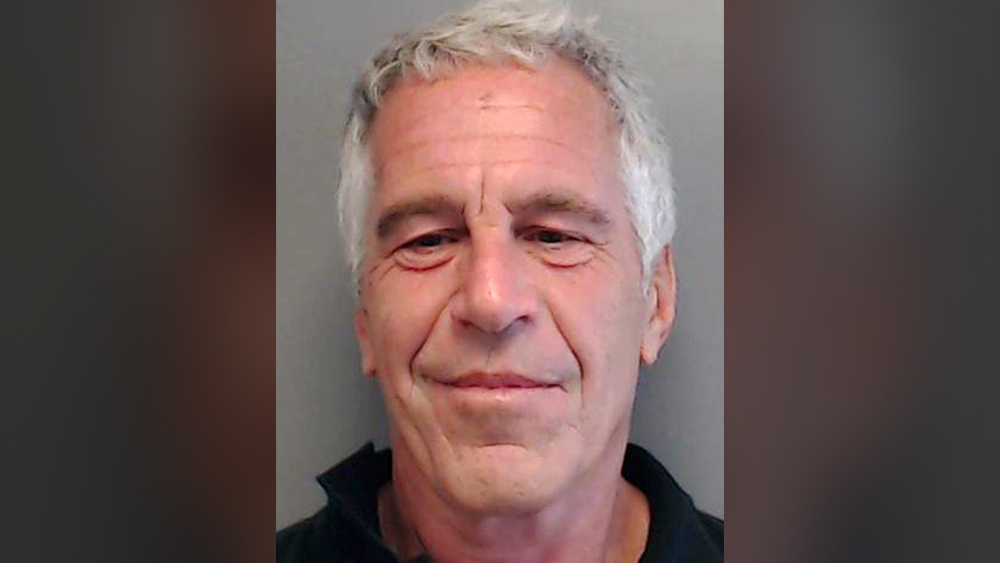
- A draft statement from the U.S. Attorney's Office for the Southern District of New York, dated August 9, 2019, announces Epstein's suicide. He was not found dead until the morning of August 10.
- The statement, attributed to then-U.S. Attorney Geoffrey S. Berman, details the confirmation of Epstein's death and expresses commitment to his victims, framing the event as a tragic suicide.
- Multiple versions of the statement exist with varying redactions, indicating a coordinated drafting process prior to the event it describes.
- This pre-written narrative aligns with a series of improbable security failures the night Epstein died, including guards failing to make required checks and malfunctioning cameras.
- Surveillance footage from that night shows unexplained activity, with conflicting official reports about who or what was on Epstein's tier, further eroding the credibility of the official account.
A narrative written before the crime scene
The core of this revelation is a document so brazen it defies simple bureaucratic error. Dated Friday, August 9, 2019, the draft statement from the office of U.S. Attorney Geoffrey S. Berman reads, “Earlier this morning, the Manhattan Correctional Center confirmed that Jeffrey Epstein... had been found unresponsive in his cell and pronounced dead shortly thereafter.” But there was no “earlier this morning” on August 9. Epstein was still alive. He would not be discovered until after 6:30 a.m. on Saturday, August 10. This is not a minor clerical mistake; it is a catastrophic anachronism that exposes the script. The version eventually released to the public was quietly backdated to August 10, sewing a thin thread of plausibility over a gaping hole in the official story. The existence of multiple drafts shows a team of federal officials carefully wordsmithing a press release for an event that had not yet occurred, operating on a timeline that knew the ending before the final act had begun. This pre-written death notice fits perfectly into a night already marred by impossible coincidences. Jeffrey Epstein, a man who possessed information capable of toppling princes, politicians, and billionaires, was left inexplicably vulnerable. The guards tasked with his surveillance, Michael Thomas and Tova Noel, failed to perform their 30-minute checks. They skipped mandatory inmate counts. The two security cameras pointed directly at his cell conveniently malfunctioned. His cellmate, Nicholas Tartaglione, had been moved out days prior. Every safeguard failed simultaneously, creating a perfect vacuum in which a man under 24/7 watch could allegedly take his own life. For anyone who questions how the rich and connected manipulate systems, this tableau of failure provides a masterclass.Contradictions in the corridor and a legacy of doubt
The questions only multiply when examining other records from that night. A functioning camera captured an “orange flash” in a stairwell leading to Epstein’s tier around 10:39 p.m. on August 9. What was it? The FBI’s observation log vaguely suggests it was “possibly an inmate.” The Justice Department’s internal watchdog claimed it was a corrections officer carrying orange linen. Yet, officer Tova Noel explicitly told investigators, “I never gave out linen. Ever.” Independent analysts state the movement is more consistent with someone in an inmate’s orange uniform. Prison staff confirm that escorting an inmate at that hour would be profoundly unusual. This single, grainy image encapsulates the entire case: official stories that conflict and crumble under the slightest scrutiny, leaving only the undeniable sense that the public is not being told the truth. The implications of this coordinated narrative are vast. Jeffrey Epstein was not just a prisoner; he was a living repository of blackmail and scandal, connected to a global network of elite pedophiles and sex traffickers. His death in federal custody ensured that a long list of co-conspirators and clients would never be named under oath in a courtroom. The pre-drafted suicide announcement served as the first layer of containment, an immediate attempt to steer public and media perception toward a conclusion of self-inflicted tragedy before an autopsy could be performed or independent questions could be asked. The discovery of this pre-dated statement transforms speculation into evidence. It moves the Epstein case from a mystery of negligence to a strong indication of foreknowledge and fraud at high levels of the U.S. justice system. It begs the terrifying question: if officials were preparing a suicide narrative a day early, what does that say about the event itself? The official story is not just incomplete; it appears to have been a pre-constructed fabrication. The fight for truth is now a fight against a documented conspiracy to control reality, proving that the most dangerous secrets are not always hidden, but sometimes prepared in plain sight, waiting for their moment to be deployed. Sources include: LifesiteNews.com Yahoo.com Enoch, Brighteon.ai
From Nazi Labs to Your Plate: The True, Deadly History of Glyphosate
By Mike Adams // Share
A royal reckoning: Former Prince Andrew arrested in Epstein-linked probe
By Willow Tohi // Share
DHS demands tech giants UNMASK anonymous critics of ICE
By Kevin Hughes // Share


By Lance D Johnson // Share
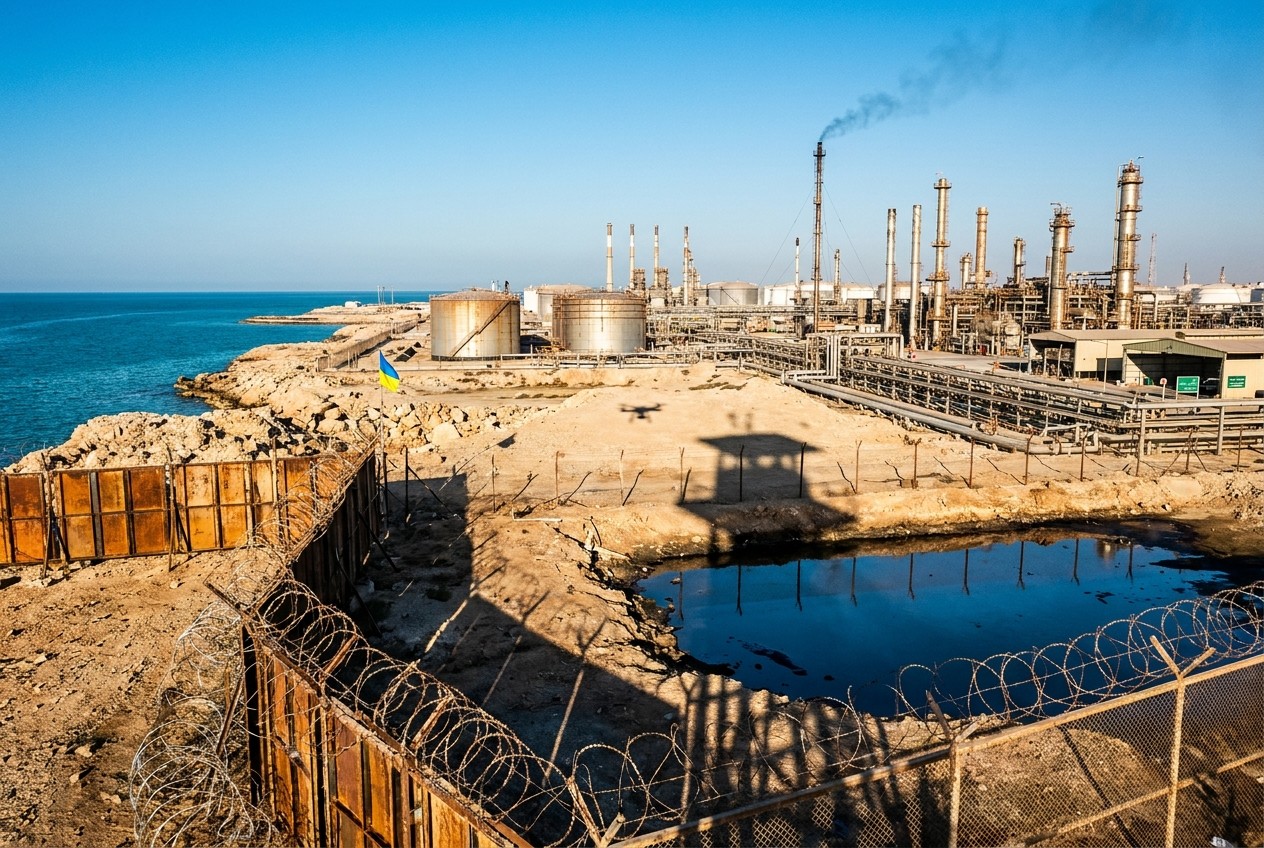
Iraq Detains Ukrainian Nationals Suspected in Plot Against Gulf Oil Facilities
By garrisonvance // Share

U.S. Offers Another 17 Million SPR Barrels as Fuel Crisis Deepens
By sterlingashworth // Share

U.S. Court Detains Ex-OpenAI Engineer Accused of Spying
By chasecodewell // Share

Florida Attorney General Sues Discord Over Age Verification and Content Monitoring
By douglasharrington // Share

IMF Chief Calls for AI Guardrails as Officials Weigh Economic Risks and Opportunities
By edisonreed // Share
