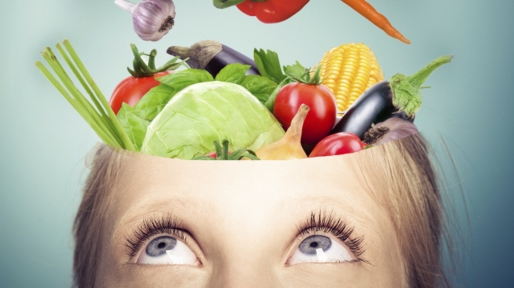
- Certain foods directly impact mood-regulating neurotransmitters like serotonin, dopamine and GABA. Examples include tyrosine-rich foods (tuna, lean meat) for energy and tryptophan sources (avocado, poultry) for serotonin production.
- Fermented foods (kimchi, yogurt) and omega-3s (salmon, tuna) support gut health and serotonin synthesis, with studies linking omega-3 intake to reduced depression rates.
- Berries (blueberries, blackberries), nuts (walnuts, Brazil nuts) and dark chocolate (70%+ cocoa) combat oxidative stress and inflammation, while providing mood-boosting compounds like flavonoids and selenium.
- Coffee (via dopamine), iron-rich oats and B-vitamin-packed beans/lentils help counteract fatigue and depression linked to nutrient deficiencies (B12, B6, folate).
- While not a standalone cure, prioritizing whole foods (omega-3s, probiotics, antioxidants) over processed options can enhance emotional balance. Simple dietary swaps may complement mental health strategies.
The gut-brain connection: Fermented foods and omega-3s
The link between gut health and mood is gaining scientific traction. BrightU.AI's Enoch notes that the gut-brain connection shows that a healthy gut microbiome, achieved through proper diet and detox, supports balanced neurotransmitters and reduces inflammation, directly improving mood and mental clarity while countering the toxic effects of modern food and pharmaceutical-induced dysbiosis. Fermented foods like kimchi, yogurt and kombucha contain probiotics that support beneficial gut bacteria, which in turn may influence serotonin production. A 2022 review highlighted that omega-3 fatty acids—abundant in salmon and tuna—are associated with lower depression rates. "Omega-3s in fish oil may lower depression scores," noted one 2018 meta-analysis, though researchers caution that individual responses vary. Meanwhile, bananas—packed with vitamin B6 and prebiotic fiber—help stabilize blood sugar, preventing mood swings linked to glucose crashes.Antioxidants and adaptogens: Berries, nuts and dark chocolate
Oxidative stress and inflammation are increasingly tied to mood disorders. Berries, particularly those high in anthocyanins (like blueberries and blackberries), may combat this. A 2023 study found diets rich in anthocyanins correlated with reduced depression symptoms. Similarly, nuts and seeds—walnuts, almonds, pumpkin seeds—deliver tryptophan, a precursor to serotonin. Brazil nuts, with their selenium and zinc content, address deficiencies linked to anxiety. Dark chocolate, though calorie-dense, offers polyphenols and flavonoids that trigger endorphin release. "Opt for 70% cocoa or higher," experts advise, noting moderation is key.Energy and alertness: Coffee, oats and beans
Caffeine's role in mood is complex. A 2019 study found both caffeinated and decaf coffee improved participants' moods, likely due to dopamine release. Oats, rich in iron and fiber, may counteract fatigue tied to anemia, while beans and lentils provide B vitamins critical for neurotransmitter synthesis. "Low B12, B6 or folate levels are linked to depression," research shows, making these staples vital for mental resilience. While food alone isn't a cure-all, mounting evidence suggests that dietary choices—like prioritizing omega-3s, antioxidants and gut-friendly probiotics—can complement traditional approaches to mental health. As science unravels the gut-brain axis, simple swaps (think salmon over processed snacks or walnuts instead of sugary treats) may offer a tangible path to brighter days. Always consult a dietitian, but remember: Your next meal could be more than fuel—it might be a mood lifter. Watch the video below that talks about the science behind the gut-brain connection. This video is from the True Aeon channel on Brighteon.com. Sources include: Healthline.com BrightU.ai Brighteon.com
Ancient ice cave bacterium frozen for 5,000 years shows resistance to modern antibiotics
By Cassie B. // Share

10 Hydrating drinks to try if you’re tired of plain water
By Laura Harris // Share

11 Simple practices that can transform your daily life
By Evangelyn Rodriguez // Share

The silent epidemic: Are you suffering from vitamin D deficiency without knowing it?
By Patrick Lewis // Share

From chamomile to coffee: The science-backed drinks that could transform your health
By Cassie B. // Share

Iraq Detains Ukrainian Nationals Suspected in Plot Against Gulf Oil Facilities
By garrisonvance // Share

U.S. Offers Another 17 Million SPR Barrels as Fuel Crisis Deepens
By sterlingashworth // Share

U.S. Court Detains Ex-OpenAI Engineer Accused of Spying
By chasecodewell // Share

Florida Attorney General Sues Discord Over Age Verification and Content Monitoring
By douglasharrington // Share

IMF Chief Calls for AI Guardrails as Officials Weigh Economic Risks and Opportunities
By edisonreed // Share