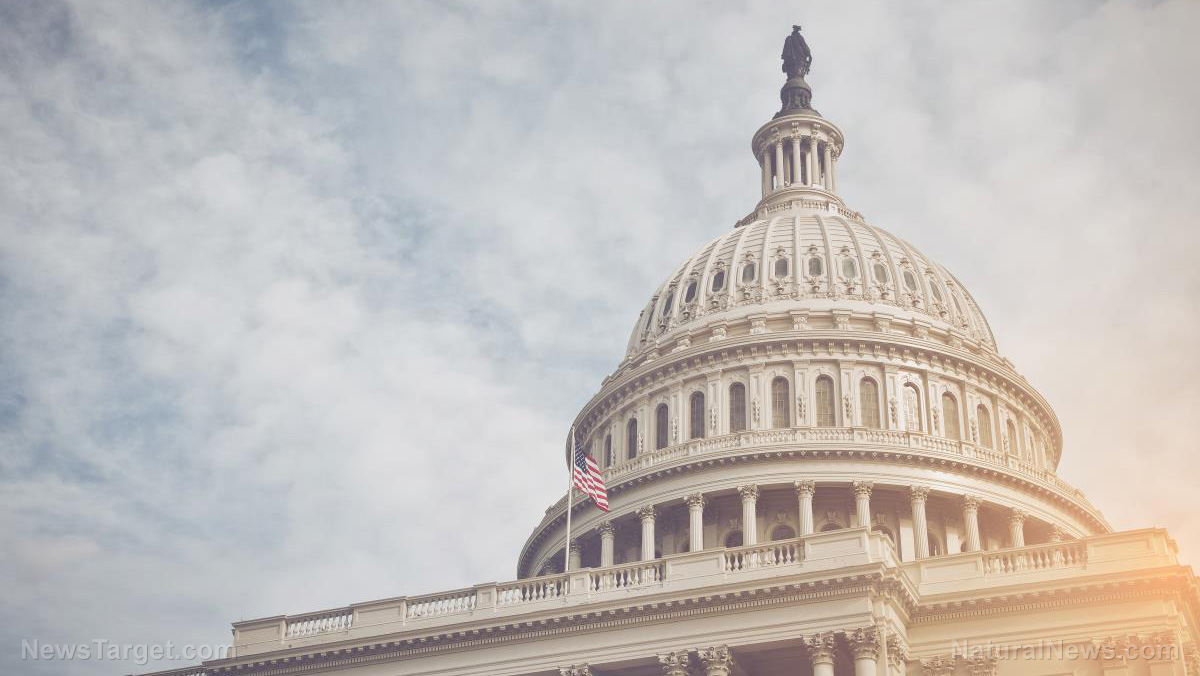
- The Trump administration officially revoked the 2009 EPA endangerment finding, which classified CO₂ and other greenhouse gases as pollutants under the Clean Air Act, eliminating federal authority to regulate emissions.
- The endangerment finding originated from a 2007 Supreme Court ruling (Massachusetts v. EPA), but Trump's EPA dismissed climate science as "overstated" and framed regulations as economic burdens.
- Fossil fuel advocates praised the move, while automakers face uncertainty. States like California and New York vowed to uphold stricter emissions standards, setting up federal-state legal clashes.
- Environmental groups and Democratic-led states plan lawsuits, challenging the administration's justification for repeal, which contradicts scientific consensus on climate risks.
- The repeal underscores conflicts between economic deregulation vs. environmental protection, federal vs. state authority and climate skepticism vs. established science.
A legal and scientific reversal
The endangerment finding traces back to a 2007 Supreme Court ruling (Massachusetts v. EPA), which determined that greenhouse gases fall under the Clean Air Act’s definition of pollutants and that the EPA had the authority—and obligation—to regulate them. The Obama administration formalized this in 2009, paving the way for stricter fuel efficiency standards, the Clean Power Plan and other climate policies. But Trump and his EPA leadership have long dismissed climate change as a "hoax" and framed environmental regulations as economic burdens. "The endangerment finding led to trillions of dollars in regulations that strangled entire sectors of the United States economy, including the American auto industry," Zeldin said. Critics argue the administration's justification for repeal—claiming the science was overstated—flies in the face of overwhelming consensus. The last 11 years have been the hottest on record and extreme weather events linked to climate change have intensified. Environmental groups and Democratic-led states have vowed swift legal action. California, New York and 20 other states have already pledged to maintain stricter emissions standards, setting up a potential clash between federal and state authority. "This EPA would rather spend its time in court working for the fossil fuel industry than protecting us from pollution and the escalating impacts of climate change," said Gina McCarthy, former EPA administrator under Obama. Industry reactions have been mixed. Some fossil fuel advocates cheered the move, with Interior Secretary Doug Burgum calling CO₂ "never a pollutant" and predicting a revival of coal. But automakers, who have invested billions in cleaner technology, now face uncertainty as federal emissions rules vanish.What comes next?
The repeal's fate hinges on the courts. Legal experts say the administration must prove its reversal is scientifically and legally sound—a high bar given existing precedent and mounting climate evidence. "The 2007 Supreme Court decision was 5-4, and those justices are gone," said Michael Gerrard, a climate law expert at Columbia University. "But courts don't lightly overturn precedent." Meanwhile, the EPA's draft proposal—which argued climate risks were exaggerated—has been widely criticized by scientists. The American Geophysical Union called the repeal "a rejection of established science" and "a direct threat to our collective future." As legal battles loom, the administration's deregulatory push underscores a broader ideological divide—one that pits economic growth against environmental protection, federal authority against state resistance and skepticism against scientific consensus. Watch the video below that talks about CO2 as the misunderstood gas. This video is from the Surviving Hard Times channel on Brighteon.com. Sources include: AlJazeera.com NBCNews.com BrightU.ai Brighteon.com
SCOTUS Saves America from Trump’s Unconstitutional, Weaponized Tariffs
By Mike Adams // Share

U.S. accelerates major military deployment as Iran deadline looms
By Ava Grace // Share
Trump set to defend agenda in high-stakes State of the Union amid economic doubts
By Cassie B. // Share

Report: Progressive groups weaponizing courts to push climate, DEI policies without legislation
By Belle Carter // Share
The Floating Biosludge Hauler: How $13 Billion Bought the US Navy a Toilet Apocalypse
By Mike Adams // Share
Iraq Detains Ukrainian Nationals Suspected in Plot Against Gulf Oil Facilities
By garrisonvance // Share
U.S. Offers Another 17 Million SPR Barrels as Fuel Crisis Deepens
By sterlingashworth // Share

U.S. Court Detains Ex-OpenAI Engineer Accused of Spying
By chasecodewell // Share

Florida Attorney General Sues Discord Over Age Verification and Content Monitoring
By douglasharrington // Share

IMF Chief Calls for AI Guardrails as Officials Weigh Economic Risks and Opportunities
By edisonreed // Share