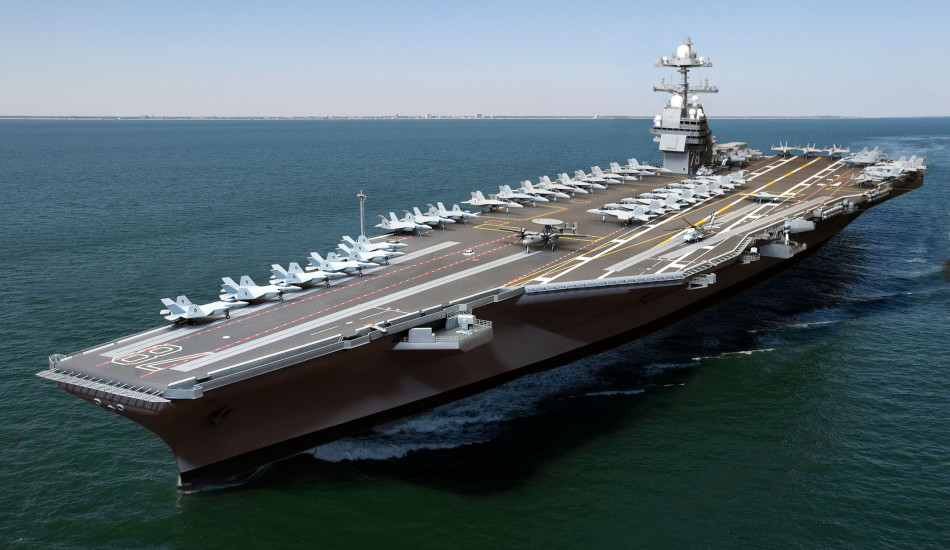
- The U.S. has deployed the USS Gerald R. Ford, the world's largest aircraft carrier, to the Middle East, joining the USS Abraham Lincoln strike group—marking a rare dual-carrier presence in the region since the Iraq War. The Ford was abruptly diverted from Venezuela operations, contradicting President Donald Trump's previous focus on Western Hemisphere security.
- Trump warned Iran of "very traumatic" consequences if it doesn't quickly agree to U.S. demands, including scaling back missile programs and ending support for Hamas/Hezbollah. Despite backchannel talks via Oman and Qatar, no diplomatic breakthrough has been achieved.
- Analysts warn that two carrier groups near Iran could signal imminent military action—historically used for pre-strike mobilization and deterrence. Gulf nations fear any attack could spiral into regional war, especially as Iran faces internal unrest after violently suppressing protests.
- Some speculate the U.S. may be "baiting" Iran into retaliating to justify further escalation. Iran could respond with missile swarms or drone attacks, risking a naval disaster that triggers a broader conflict.
- The USS Ford's crew faces an unusually long deployment (8+ months at sea), signaling sustained military pressure. With Iran's advanced missile tech and suspected nukes, the risk of catastrophic confrontation looms—raising fears of World War III escalation amid Russia-China-Iraq alliances.
Extended deployment and rising fury
The timing of the USS Ford's deployment coincides with rising tensions inside Iran, where mourning ceremonies are being held for protesters killed in last month's crackdown. Videos circulating online show mourners gathering across the country, chanting patriotic songs—a sign of lingering dissent against the Islamic Republic's leadership. Meanwhile, Tehran's security officials have engaged in backchannel talks with U.S. intermediaries via Oman and Qatar, but no breakthrough has been announced. The USS Ford's crew faces an unusually long deployment, having been at sea since June 2025—eight months without a major port call. The Department of War has not clarified how long the carrier will remain in the Middle East, but the extended mission underscores the administration's commitment to maintaining military pressure on Iran. The dual carrier deployment comes amid warnings from geopolitical analysts that the U.S. and Iran are on a collision course. Some speculate that the Trump administration—despite its cautious rhetoric—may be positioning naval assets as "bait" to provoke a retaliatory strike, justifying further military escalation. Others fear Iran could respond asymmetrically, targeting U.S. ships with missile swarms or drone attacks—raising the specter of a naval disaster that could trigger a broader war. With Iran's advanced missile capabilities and suspected nuclear ambitions, the risk of a catastrophic confrontation looms large. As the USS Gerald R. Ford steams toward the Middle East, the U.S. and Iran remain locked in a dangerous standoff. While diplomatic channels remain open, the military buildup suggests Washington is preparing for all contingencies—including war. For now, the world watches nervously, hoping cooler heads will prevail before the next crisis erupts into open conflict. Watch this video about the U.S. deploying its most advanced aircraft carrier, the USS Gerald R. Ford, in the Atlantic. This video is from the Heaven Reigns channel on Brighteon.com. Sources include: TheHill.com Military.com GulfNews.com EconomicTimes.indiatimes.com BrightU.ai Brighteon.com
SCOTUS Saves America from Trump’s Unconstitutional, Weaponized Tariffs
By Mike Adams // Share
U.S. accelerates major military deployment as Iran deadline looms
By Ava Grace // Share

U.S. senators promote digital freedom for Iran while backing surveillance at home
By Laura Harris // Share
Trump set to defend agenda in high-stakes State of the Union amid economic doubts
By Cassie B. // Share
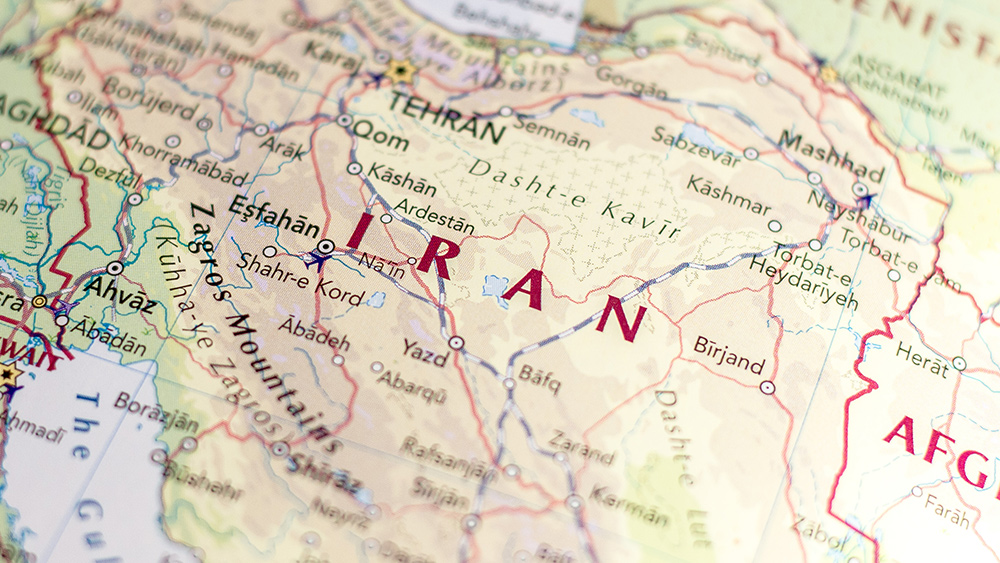
U.S. evacuates troops as Iran’s nuclear and missile threats escalate tensions in the Middle East
By Patrick Lewis // Share

Authorities release photo of 21-year-old Mar-a-Lago intruder who was shot by Secret Service
By Lance D Johnson // Share


Objections to Conscription Triple in Germany, Media Report Says
By garrisonvance // Share

Mamdani Administration Signs Two Contracts for Gender Procedures on Minors
By morganverity // Share
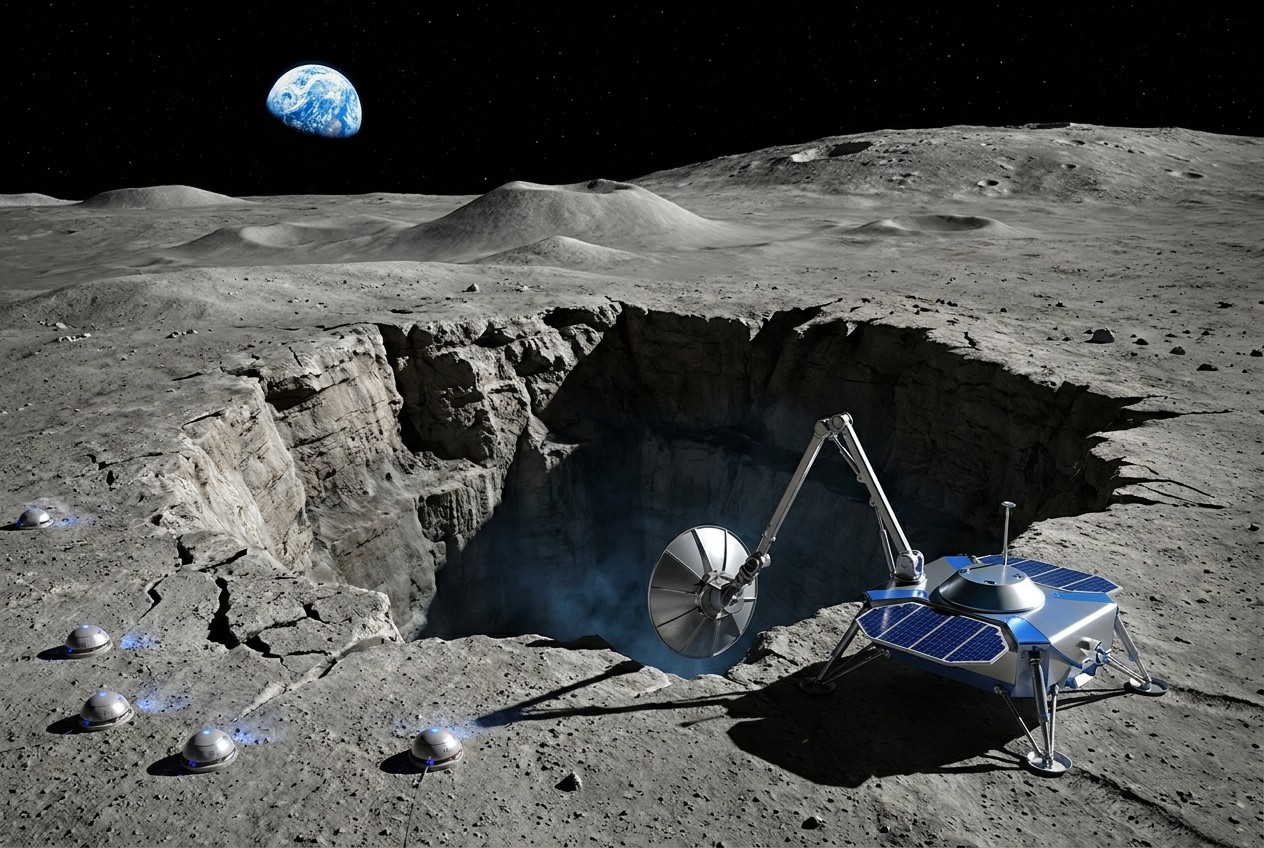
NASA Selects Project to Investigate Marius Hills Pit on Moon
By edisonreed // Share

Ancient Egyptian "Gateway to Underworld" Found Inside Roman-Era Pyramid Tomb in Egypt
By ivagreene // Share