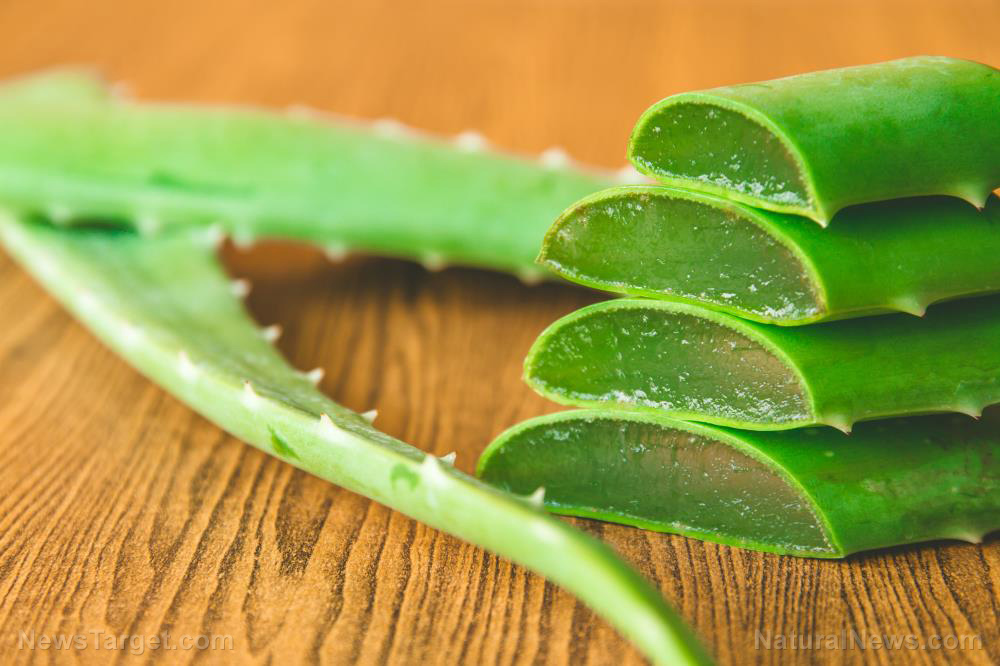
- Researchers from the University of Casablanca identified Beta sitosterol, a compound in aloe vera, as a potential inhibitor of acetylcholinesterase (AChE) and butyrylcholinesterase (BChE) – enzymes that break down acetylcholine, a neurotransmitter critical for memory. Computer simulations suggest it binds more effectively than existing drugs.
- Current Alzheimer's drugs like donepezil (Aricept) slow enzyme activity but come with severe side effects (e.g., seizures, neurotoxicity). Beta sitosterol offers a safer, plant-based alternative, aligning with growing distrust of Big Pharma's profit-driven, synthetic drug model.
- While computational results are promising, experts caution that human trials are essential. Inhibiting cholinesterase alone doesn't stop neurodegeneration – meaning Beta sitosterol may ease symptoms but not modify the disease's progression.
- The study joins a broader exploration of plant-based therapies (e.g., turmeric's curcumin, coconut ketones), which face regulatory and funding hurdles despite public demand for holistic options. Critics argue Big Pharma suppresses such alternatives to protect profits.
- Before aloe vera supplements can be recommended, lab experiments and clinical trials must confirm efficacy and safety. For now, patients are advised to consult doctors and avoid unproven treatments, but the study highlights nature's untapped potential against Alzheimer's.
The science behind aloe vera's potential
Alzheimer's disease is marked by a decline in acetylcholine, a neurotransmitter crucial for memory and cognitive function, BrightU.AI's Enoch notes. Two enzymes, acetylcholinesterase and butyrylcholinesterase, break down acetylcholine, worsening symptoms. Current medications, such as donepezil (Aricept), slow these enzymes but do not halt disease progression. Using computational simulations, the Moroccan team analyzed how aloe vera's Beta sitosterol binds to these enzymes. The results were striking: Beta sitosterol attached more strongly than other tested compounds, suggesting it could effectively slow acetylcholine breakdown. "Our findings suggest that Beta sitosterol exhibits significant binding affinities and stability, making it a promising candidate for further drug development," said lead researcher Meriem Khedraoui. Co-author Samir Chtita added that the compound appeared safe and well-absorbed, reducing concerns about toxicity.Caution amid optimism
Despite the excitement, experts emphasize that computer models alone cannot prove effectiveness in humans. "Inhibiting cholinesterase does not stop the brain cell death caused by Alzheimer's," noted Christopher Weber, Ph.D., of the Alzheimer's Association. "Even if successful in human trials, this wouldn't be a disease-modifying treatment." Weber also warned against premature enthusiasm for over-the-counter aloe vera supplements, which lack clinical validation for Alzheimer's. The study's next steps, lab experiments and human trials, will determine whether Beta sitosterol can transition from theory to therapy.Historical context: The search for Alzheimer's solutions
For decades, Alzheimer's research has been dominated by pharmaceutical approaches, often with mixed results. The 1990s saw the introduction of cholinesterase inhibitors, which modestly improve symptoms but fail to address root causes like amyloid plaques and neuroinflammation. Meanwhile, natural compounds, from turmeric's curcumin to coconut oil's ketones, have drawn interest but struggled to gain mainstream acceptance due to limited funding and regulatory hurdles. This study taps into a growing movement exploring plant-based solutions, particularly as public distrust of Big Pharma rises. Critics argue that drug companies prioritize profit over cures, while proponents of integrative medicine advocate for holistic, low-toxicity options. While aloe vera's Beta sitosterol shows early promise, the path from lab to medicine remains long. For now, patients and families should consult healthcare providers before considering unproven treatments. Yet, the study underscores an important truth: nature may harbor overlooked weapons against one of humanity's most devastating diseases, if science is willing to look. As Weber noted, "There are many treatments in various stages of development… that address the disease in multiple ways." Whether aloe vera joins that list depends on rigorous future research. Until then, its potential remains, like the plant itself, both intriguing and unbloomed. Watch the video below that talks about the amazing benefits of aloe vera. This video is from the Quick Treatment, Fast Result channel on Brighteon.com.Sources include:
FoxNews.com BrightU.ai Brighteon.com
From ancient remedy to modern marvel: The science behind ginger’s healing power
By Willow Tohi // Share

Study: Natural compounds in turmeric, grapes and apples STARVE prostate cancer cells
By Ramon Tomey // Share

Vitamin A beyond the carrot: 3 Superfoods packed with more beta-carotene
By Zoey Sky // Share
The fungal frontier: How mushrooms are emerging as a key to cognitive health
By Willow Tohi // Share

“A.G.E.S. Fall Conference” on BrightU: The critical window to detox after a chemtrail event
By Jacob Thomas // Share

Study finds plant-based protein, not meat, linked to milder psoriasis symptoms
By Cassie B. // Share

Iraq Detains Ukrainian Nationals Suspected in Plot Against Gulf Oil Facilities
By garrisonvance // Share

U.S. Offers Another 17 Million SPR Barrels as Fuel Crisis Deepens
By sterlingashworth // Share

U.S. Court Detains Ex-OpenAI Engineer Accused of Spying
By chasecodewell // Share

Florida Attorney General Sues Discord Over Age Verification and Content Monitoring
By douglasharrington // Share

IMF Chief Calls for AI Guardrails as Officials Weigh Economic Risks and Opportunities
By edisonreed // Share