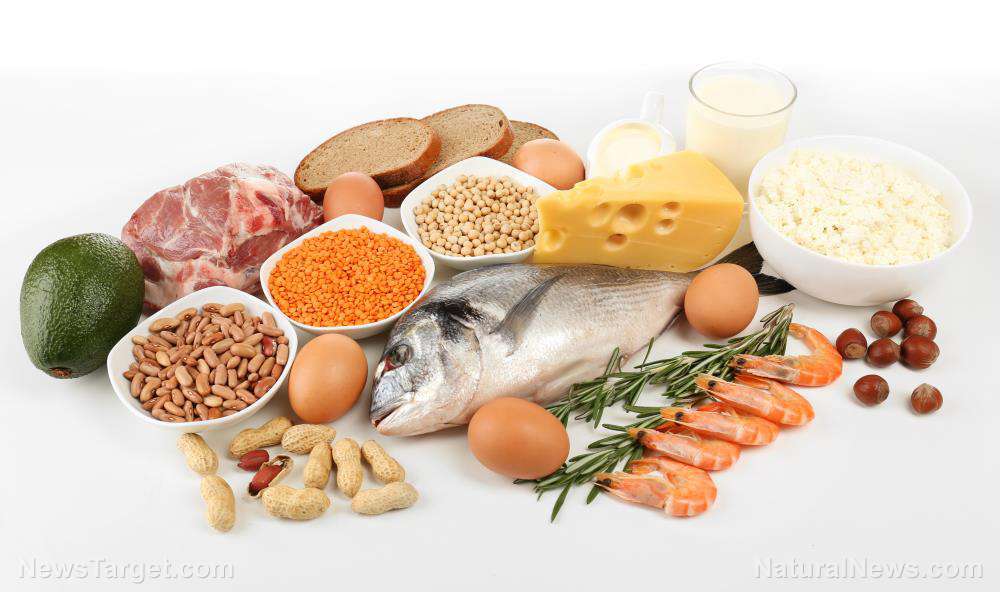
- Whole foods like cottage cheese, chicken breast and lentils can provide equal or greater protein than a typical protein shake.
- Diversifying protein sources, including both animal and plant-based options, ensures a broader intake of essential nutrients.
- For optimal health, experts recommend considering the entire nutritional "package" of a protein source, not just its protein content.
- Protein needs are not static and can increase with age or physical activity levels to support muscle maintenance and overall health.
- Affordable and accessible high-protein options exist, such as canned fish, eggs and legumes, making nutritional goals achievable on any budget.
The protein paradigm: More than a number
Protein’s role as a critical building block for the human body is undisputed. It forms the foundation of bones, muscle, skin and enzymes. For decades, dietary focus, particularly in fitness circles, centered heavily on hitting specific daily gram targets. However, contemporary nutrition science emphasizes examining the entire "package" that comes with a protein source. A 3-ounce serving of chicken breast provides about 26 grams of protein alongside B vitamins and selenium. A cup of cottage cheese offers 23.5 grams plus calcium and vitamin B12. Similarly, a plant-based option like a cup of cooked lentils delivers nearly 18 grams of protein coupled with significant fiber, iron and folate. This nutrient synergy is something a purified protein powder cannot replicate, highlighting the inherent benefit of whole-food sources.The plant-based protein arsenal
The misconception that adequate protein is difficult to obtain without animal products has been thoroughly debunked. The plant kingdom boasts a robust arsenal of high-protein foods that serve as complete meals or powerful complements. Foods like tempeh (19.9 grams per 100-gram serving) and edamame (18.5 grams per cup) are substantial stand-alone protein sources. Others, like navy beans (19.7 grams per cup) and quinoa—a rare complete plant protein—build nutritional density into meals. For older adults or those with specific health conditions, these soft, fiber-rich options are particularly valuable. They provide essential amino acids, especially when varied throughout the day, while also contributing heart-healthy fats, vitamins and minerals that support overall well-being and chronic disease prevention.Economic and accessible protein solutions
Concerns about the cost of healthy eating often surface in nutritional discussions. Yet, some of the most protein-dense foods are also among the most economical and shelf-stable. Canned tuna (20.1 grams per 3-ounce serving), salmon (19.6 grams) and sardines (22.6 grams per can) are affordable, convenient and rich in omega-3 fatty acids. Eggs are a low-cost complete protein, and dried or canned legumes like lentils and beans are famously budget-friendly. Greek yogurt (25 grams per cup) and cottage cheese offer high protein-per-dollar value. These options ensure that achieving sufficient protein intake is possible across economic strata, a point crucial for public health nutrition strategies aimed at combating sarcopenia and malnutrition in aging populations.Tailoring protein intake to life’s phases
The one-size-fits-all protein recommendation of 0.8 grams per kilogram of body weight is now seen as a baseline minimum, not an optimal target for all. Research indicates that adults over 50 benefit from higher intake, approximately 1 to 1.2 grams per kilogram, to counteract the natural age-related loss of muscle mass and strength, known as sarcopenia. Individuals recovering from illness or injury, and those engaged in regular strength training, also have elevated needs to facilitate repair and growth. This personalized approach moves nutrition away from static guidelines and toward a framework where protein consumption is adjusted based on age, activity level and health status, always with a preference for nutrient-dense whole foods over isolated supplements.A return to food-first foundations
The historical context of this news lies in a gradual pendulum swing back to foundational nutrition principles. After a period fascinated by meal replacement shakes and macronutrient isolation, experts are re-anchoring advice in dietary patterns like the Mediterranean diet, which prioritizes fish, legumes, nuts and dairy. The consensus is clear: while protein shakes serve as a convenient tool in specific situations, they should not form the cornerstone of a healthy diet. The abundance of whole foods—from lean meats and fish to legumes, dairy and ancient grains—provides all the protein the body needs, wrapped in a complex matrix of co-occurring nutrients that promote sustainable health.The whole-food advantage
Ultimately, the message from contemporary nutrition is one of empowerment and simplicity. Achieving optimal protein intake does not require specialized products or complex regimens. It is readily accomplished through a diverse diet rich in minimally processed foods. By choosing a grilled chicken breast, a hearty lentil soup, a cup of Greek yogurt with nuts, or a salad topped with canned salmon, individuals can meet their physiological needs while simultaneously nourishing their bodies with a broad spectrum of vitamins, minerals and antioxidants. This "food-first" philosophy supports not only muscular health but also long-term vitality, proving that sometimes, the most powerful nutritional tools are the most familiar ones on our plates. Sources for this article include: Health.com HarvardHealth.edu NCOA.org
From ancient remedy to modern marvel: The science behind ginger’s healing power
By Willow Tohi // Share
Study: Natural compounds in turmeric, grapes and apples STARVE prostate cancer cells
By Ramon Tomey // Share

Vitamin A beyond the carrot: 3 Superfoods packed with more beta-carotene
By Zoey Sky // Share

The fungal frontier: How mushrooms are emerging as a key to cognitive health
By Willow Tohi // Share

“A.G.E.S. Fall Conference” on BrightU: The critical window to detox after a chemtrail event
By Jacob Thomas // Share

The cold truth: How winter weather becomes a silent threat to your heart
By Zoey Sky // Share

Iraq Detains Ukrainian Nationals Suspected in Plot Against Gulf Oil Facilities
By garrisonvance // Share

U.S. Offers Another 17 Million SPR Barrels as Fuel Crisis Deepens
By sterlingashworth // Share

U.S. Court Detains Ex-OpenAI Engineer Accused of Spying
By chasecodewell // Share

Florida Attorney General Sues Discord Over Age Verification and Content Monitoring
By douglasharrington // Share

IMF Chief Calls for AI Guardrails as Officials Weigh Economic Risks and Opportunities
By edisonreed // Share