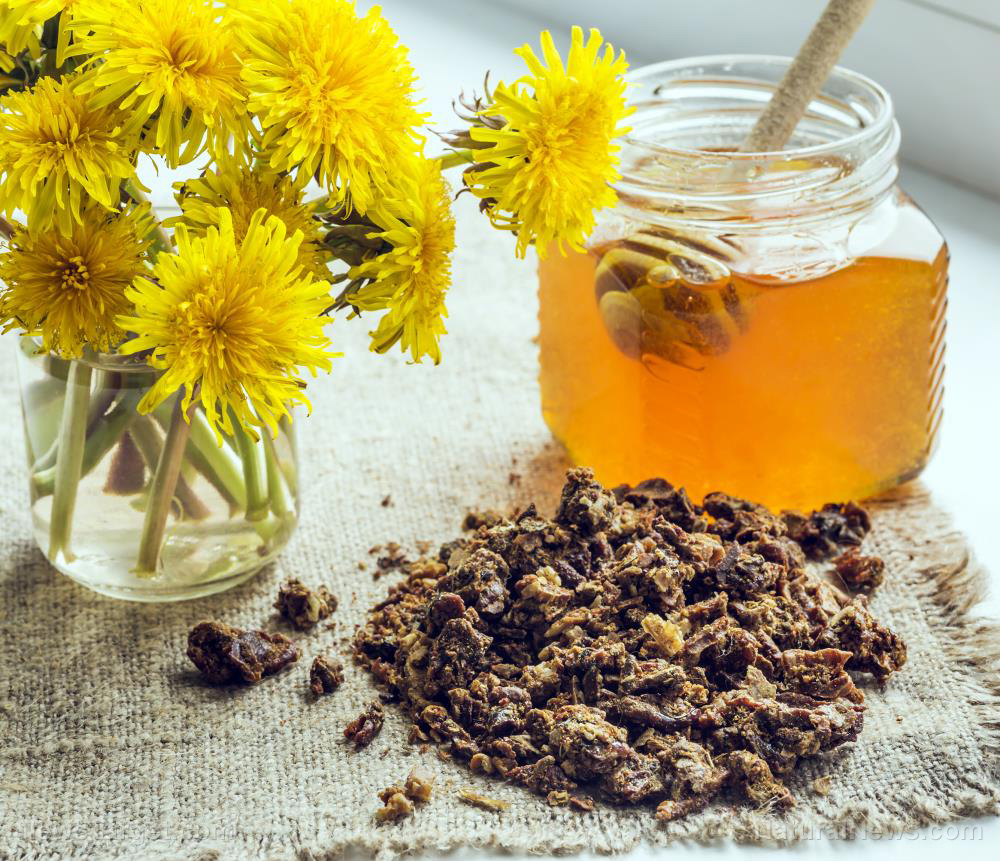
- Propolis, a resinous "bee glue" used to sterilize and protect hives, possesses significant natural antibacterial, antiviral and anti-inflammatory properties.
- Historical use dates back to ancient Egypt, Greece and Rome for wound healing and infection control, with modern research validating these applications.
- A key human trial found a 3% propolis ointment more effective than a standard antiviral drug (acyclovir) or a placebo in healing genital herpes lesions.
- Beyond topical use, propolis shows promise in supporting immune function, gastrointestinal health, and may offer protective effects against certain cancers and liver damage.
- While generally safe, propolis can cause allergic reactions, particularly in individuals allergic to bees, and should be used with caution by those with asthma or bleeding disorders.
A timeless resin with a protective mission
Propolis is not made by bees from scratch. They create it by combining plant saps and exudates with beeswax and salivary secretions. The result is a powerful sealant used to sterilize the hive, smooth internal walls and block invaders. Its composition varies with local flora, meaning propolis from a Brazilian forest differs chemically from that collected in a European meadow. This variability contributes to a complex profile rich in over 300 compounds, including flavonoids, phenolic acids and essential oils, which are responsible for its broad biological activity. Historically, its use was pragmatic and widespread; Assyrians applied it to wounds, Egyptians employed it in mummification, and it saw use as an antibacterial agent on battlefields into the 20th century.Validating traditional wisdom with clinical trials
Modern science has turned a keen eye toward these traditional claims, with some of the most compelling research focusing on viral infections. Notably, a human trial published in Phytomedicine investigated propolis for genital herpes, a condition caused by the herpes simplex virus (HSV). In the study, a 3% propolis ointment was compared to both a standard acyclovir cream and a placebo. After ten days of treatment, healing was observed in 24 out of 30 participants using propolis, compared to 14 out of 30 using the drug and 12 out of 30 using the placebo. This aligns with other studies on cold sores (HSV-1), suggesting propolis can reduce pain and accelerate healing when applied topically at the onset of symptoms.Beyond the skin: Systemic health and immune support
The benefits of propolis extend far beyond topical application. When taken orally in supplement form, such as capsules or tinctures, it acts as an immunomodulator. Research indicates it can stimulate the body's immune defenses, potentially shortening the duration and severity of common respiratory infections like colds and flu. Its high concentration of antioxidants helps combat oxidative stress, a contributor to chronic inflammation and cellular damage. Internally, propolis has also demonstrated promise for gastrointestinal health. Studies suggest it may help protect against the bacteria H. pylori, a common cause of peptic ulcers, and its anti-inflammatory properties are being investigated for conditions like ulcerative colitis. Furthermore, preliminary cell and animal studies point to intriguing possibilities, including inhibiting the growth of certain cancer cells and protecting the liver from toxin-induced damage by boosting protective compounds like glutathione.A note of caution: Safety and considerations
Despite its promising profile, propolis is not without precautions. As a bee product, it can cause allergic reactions, particularly in individuals with existing allergies to bees, honey, or pollen. Experts advise that people with asthma use it cautiously, as it may exacerbate symptoms in some cases. Due to compounds that may slow blood clotting, individuals with bleeding disorders or those scheduled for surgery should avoid it. There is also insufficient reliable data on its safety during pregnancy. As with any supplement, consulting a healthcare provider before starting use is recommended, especially for those with underlying health conditions.An enduring legacy of natural defense
The journey of propolis from the walls of ancient hives to the pages of modern medical journals underscores a continuous search for effective, natural compounds. Its story is one of cross-cultural historical use now being interrogated and largely validated by contemporary science. While more extensive human trials are needed to fully elucidate its mechanisms and optimal applications for specific conditions, the current evidence paints a compelling picture. Propolis stands as a powerful example of how traditional remedies, when subjected to rigorous scientific scrutiny, can reveal their secrets and offer validated, natural options for health and healing in the modern world. Sources for this article include: HealthAid.co.uk PubMed.com AnadoluMedicalCenter.com
The hive’s hidden treasure: Unlocking the full spectrum of benefits in raw honeycomb
By Willow Tohi // Share
Ancient elixir in the modern world: The bodily impact of turmeric and ginger brews
By Ava Grace // Share

The fiber gap: Why whole foods outshine supplements for optimal health
By Patrick Lewis // Share
Reclaim Your Health: An Ancient Oil Ritual for Scalp, Stress, and Sleep
By Coco Somers // Share


Boost your brain power with these simple morning habits for sharper focus and memory
By Kevin Hughes // Share

Iraq Detains Ukrainian Nationals Suspected in Plot Against Gulf Oil Facilities
By garrisonvance // Share

U.S. Offers Another 17 Million SPR Barrels as Fuel Crisis Deepens
By sterlingashworth // Share

U.S. Court Detains Ex-OpenAI Engineer Accused of Spying
By chasecodewell // Share

Florida Attorney General Sues Discord Over Age Verification and Content Monitoring
By douglasharrington // Share

IMF Chief Calls for AI Guardrails as Officials Weigh Economic Risks and Opportunities
By edisonreed // Share
