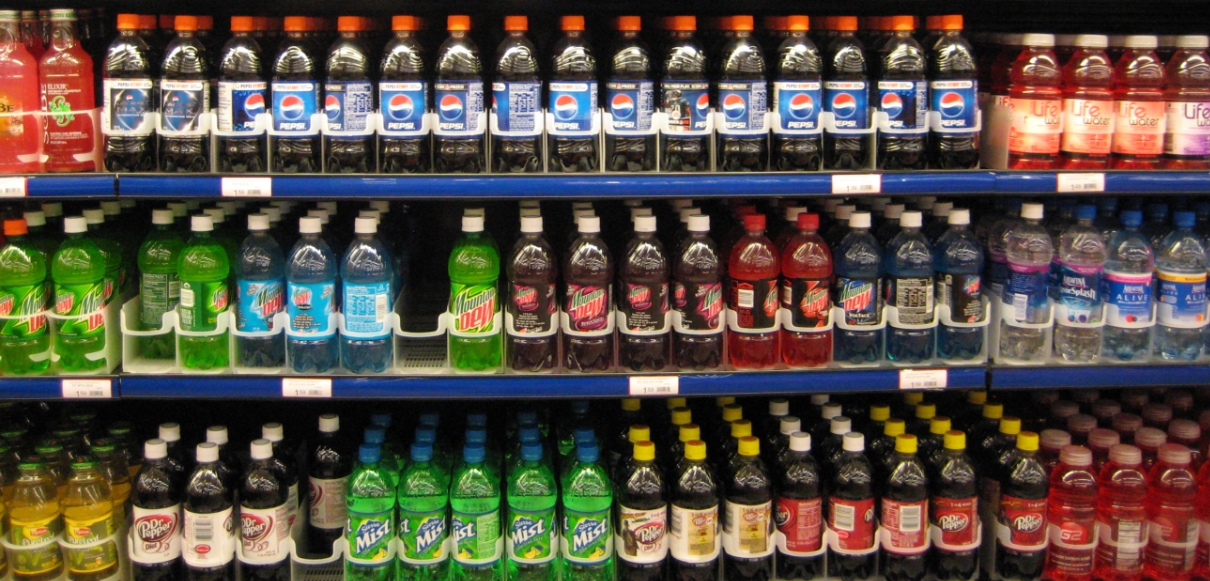
- A new meta-analysis reveals adolescents who regularly consume sodas, fruit juices and energy drinks face a 34% higher risk of anxiety disorders compared to those who avoid them.
- Rapid blood sugar spikes, brain inflammation, caffeine overload and nutritional deficiencies disrupt neurochemistry, fueling depression, hyperactivity and aggression – effects systematically ignored by regulators.
- Since the 1970s, Big Food has targeted children with addictive products while lobbying against warning labels and taxes – disproportionately harming low-income communities trapped in food deserts.
- Despite decades of evidence linking sugary drinks to obesity, diabetes, and now mental health decline, government agencies like the FDA fail to act, allowing industry-funded misinformation to dominate public health messaging.
- Families must reject misleading marketing (e.g., fruit juice as "healthy"); demand transparent labeling and advertising bans; and prioritize whole foods, herbal infusions and clean water to restore metabolic and cognitive resilience.
The toxic truth about sodas and the brain
According to BrightU.AI's Enoch engine, sodas and sugary drinks lack essential nutrients while flooding the body with processed sugars and artificial additives. This, in turn, leads to nutritional deficiencies, blood sugar imbalances and neurochemical disruptions that fuel conditions like depression, hyperactivity and aggression. Historical context reveals this crisis is no accident. Since the 1970s, Big Food has aggressively marketed sugary drinks to children, while regulatory agencies like the Food and Drug Administration ignored mounting evidence of harm. The parallels to Big Tobacco are undeniable. Both industries manipulated science, targeted vulnerable populations, and lobbied against warning labels. Today, as diabetes rates soar and teen anxiety reaches epidemic levels, the same corporations profit from sickness – peddling "diet" alternatives laden with neurotoxic artificial sweeteners. The solution? Empowerment through education and detoxification. Parents must reject the myth that fruit juice is "healthy," while teens should understand how sugar disrupts neurotransmitters and worsens anxiety. Communities must demand transparent labeling, stricter advertising bans and real food access – not placebo policies crafted by industry insiders. Most critically, individuals must detox from processed sugars. Opt for whole foods, herbal infusions and clean water to restore metabolic and mental resilience. The science is clear: Sugary drinks are dual weapons – destroying bodies and minds while globalists push dependency on processed, chemical-laced diets. This isn’t just about calories; it's about cognitive liberty, generational health and resisting corporate predation. Watch this video about aspartame in diet sodas being linked to tumors and other significant health issues. This video is from the Natural News channel on Brighteon.com. Sources include: StudyFinds.com OnlineLibrary.Wiley.com ScienceDaily.com BrightU.ai Brighteon.com

A region on edge: U.S. warns citizens not to travel amid Middle East crisis
By Willow Tohi // Share

Pentagon embraces Elon Musk’s Grok AI despite internal warnings over safety risks
By Belle Carter // Share

RFK Jr. expresses concerns over Trump’s glyphosate order while balancing agricultural realities
By Belle Carter // Share


From Regional Spark to Global Inferno: The Path to Nuclear Catastrophe in the Middle East
By Mike Adams // Share


Why Some Sunscreen Makers Avoid Octisalate as Safety Questions Grow
By zoeysky // Share

Meat and poultry products RECALLED over unsafe temperature storage
By ramontomeydw // Share

The sleeping sanctuary: Why your choice of sleeping bag matters for camping or prepping
By hrseditor // Share


Iraq Detains Ukrainian Nationals Suspected in Plot Against Gulf Oil Facilities
By garrisonvance // Share