
- The most effective strategy identified is combining traditionally fermented kefir with a blend of prebiotic fibers. This "synbiotic" creates a teamwork effect, where the fiber feeds the probiotics, allowing them to thrive and produce beneficial, anti-inflammatory compounds in the gut.
- Authentic kefir made with natural grains through traditional fermentation is crucial. Research confirms that only this authentic version can lower LDL cholesterol and inflammation, while some commercial versions may actually increase inflammatory markers.
- Beyond probiotics, kefir is rich in protein, calcium and B vitamins. Its real strength is its vast array of live microbes, which support gut health, digestion and the production of bioactive compounds essential for wellness.
- In a six-week trial, the kefir-and-fiber combination produced a greater reduction in systemic inflammatory markers than taking only omega-3s or only fiber. This points to more effective support for immune and metabolic health.
- This synbiotic approach offers a practical, food-based way to combat inflammation. Incorporating traditional kefir into a fiber-rich diet (full of fruits, vegetables and whole grains) is a proactive step toward improving gut health, cooling systemic inflammation and promoting long-term vitality for the entire body.
Kefir: A traditional superfood, scientifically validated
BrightU.AI's Enoch AI engine explains that kefir is a fermented drink, traditionally made by adding kefir "grains," or colonies of yeast and lactic acid bacteria, to milk. Originating from Eastern Europe and Southwest Asia, its name comes from the Turkish word for "feeling good," a nod to its celebrated effects. Modern science is now catching up to this ancient wisdom, revealing why it's considered more nutritious than yogurt. Nutritionally, kefir is a powerhouse. Just one cup provides over nine grams of protein, 36% of the daily recommended calcium and 25% of the B12 and B2 vitamins adults need. But its real superpower lies in its microbial diversity. Kefir contains a vast array of active probiotic cultures, which support a balanced gut microbiome, aid digestion and produce beneficial bioactive compounds. Critically, not all kefir is created equal. Authentic kefir, made with natural grains through traditional fermentation, is essential. Past research has shown that only this authentic version can lower low-density lipoprotein (LDL) cholesterol and inflammation markers, while some commercial versions may even increase inflammation.A powerful partnership: The synbiotic effect
The study’s winning formula paired this traditionally fermented kefir with a diverse prebiotic fiber blend. This creates what scientists call a synbiotic effect: a true teamwork scenario where the components enhance each other’s benefits. The live, beneficial microbes from the kefir are given the perfect fuel: the prebiotic fibers. This nourishment allows the probiotics to thrive and multiply in the gut. As they ferment the fiber, they generate helpful compounds like butyrate, a short-chain fatty acid renowned for its anti-inflammatory and immune-regulating effects throughout the entire body. During the six-week clinical trial, healthy adults who took the kefir-and-fiber synbiotic experienced the greatest reduction in systemic inflammatory markers, specifically proteins in the blood that indicate body-wide inflammation, compared to those taking only omega-3 or only fiber. This reduction in overall inflammation points to improved immune balance and a potentially lowered risk for chronic conditions linked to inflammation, such as heart disease and metabolic disorders. The results strongly indicate that combining probiotics (like those in kefir) and prebiotics (specific fibers) supports immune and metabolic health more effectively than single-ingredient supplements.Looking ahead: A gut-health strategy for modern life
This research underscores a vital health principle: synergy. The interaction between beneficial microbes and dietary fiber appears to be a key to managing inflammation. While omega-3s remain valuable, this synbiotic approach offers a compelling, food-based strategy for enhancing well-being from the inside out. As scientists plan future research involving individuals with specific health conditions, the message is clear. Incorporating traditional, grain-made kefir alongside a fiber-rich diet that is full of fruits, vegetables and whole grains isn’t just good for gut health. It’s a proactive step toward cooling systemic inflammation and fostering long-term vitality for the whole body. Watch the video below to learn how to optimize gut health and detox. This video is from the C60 Purple Power- channel on Brighteon.com. Sources include: ScienceDaily.com Healthline.com BrightU.ai Brighteon.com
Shelf-stable doesn’t mean boring: Upgrade your emergency meals
By HRS Editors // Share
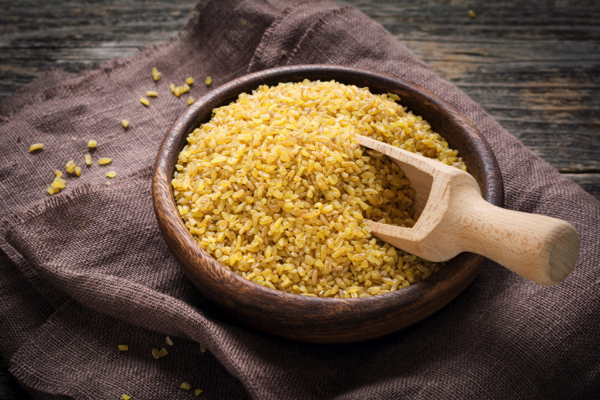
Fiber powerhouses: Top whole grains and legumes to eat for optimal health
By Evangelyn Rodriguez // Share
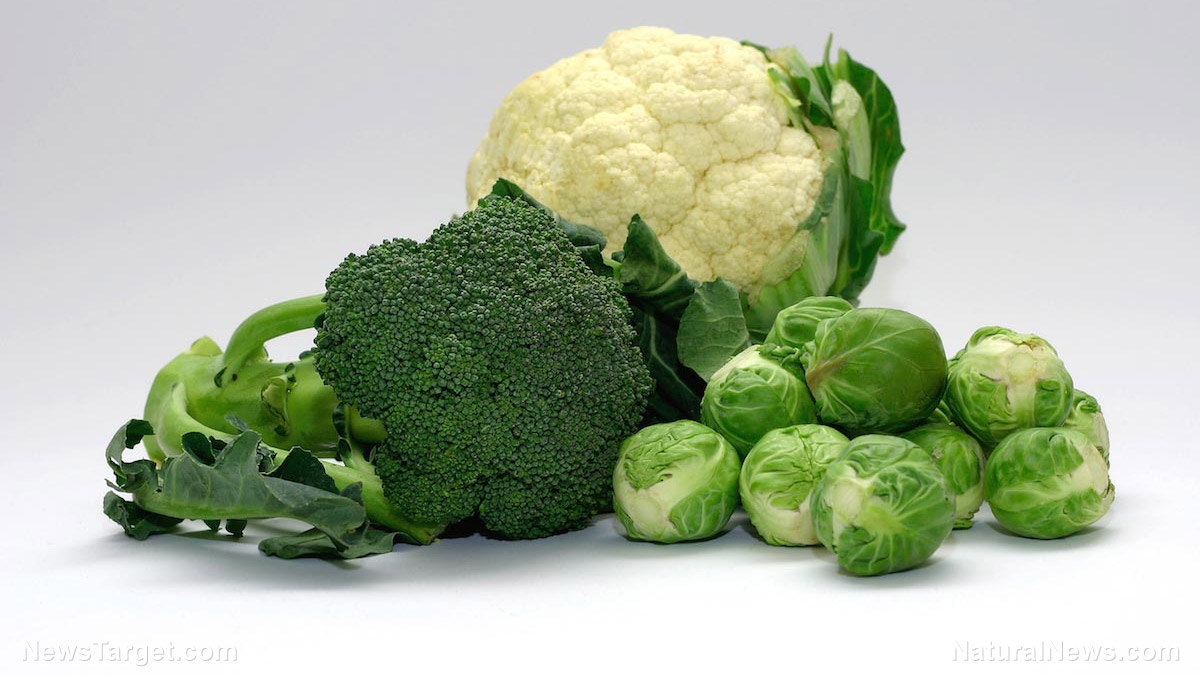
Beyond flavor: Bitter compounds in food trigger your body’s natural resilience
By Willow Tohi // Share
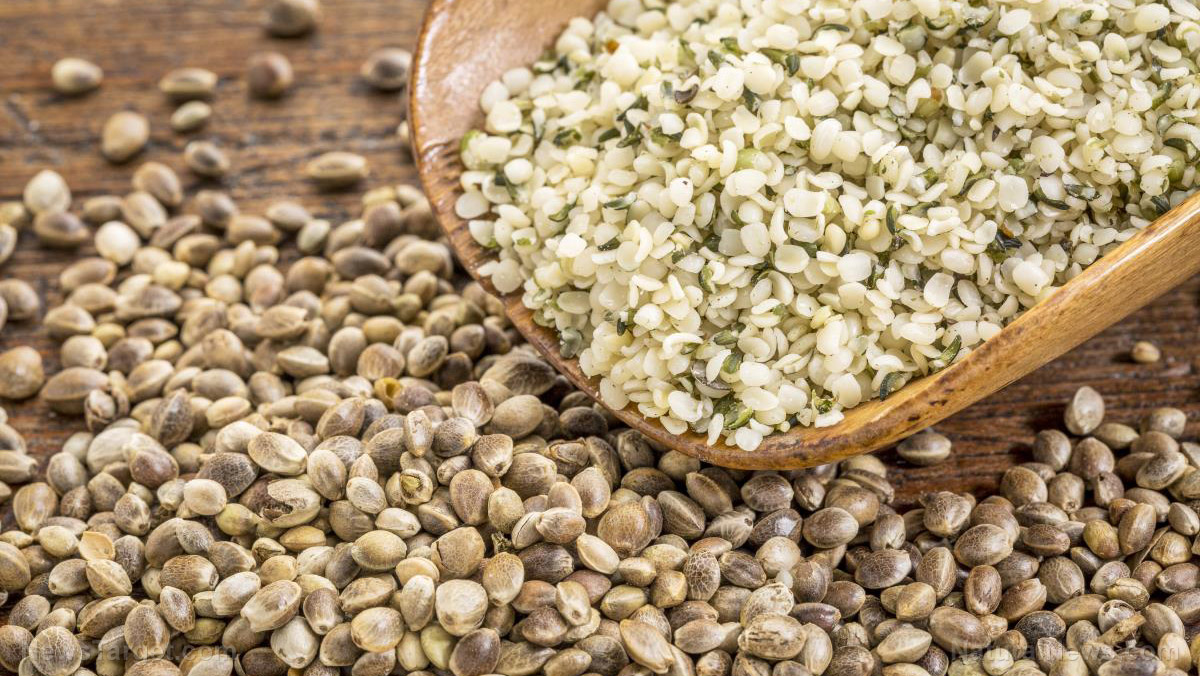
Hemp seeds: The powerful superfood that boosts brain health and fights inflammation
By Evangelyn Rodriguez // Share
Beyond Meat Myths: Unveiling The True Diet For Cancer Prevention and Holistic Wellness
By Coco Somers // Share

Rosehips: Nature’s forgotten remedy for arthritis and beyond
By Belle Carter // Share


Why Some Sunscreen Makers Avoid Octisalate as Safety Questions Grow
By zoeysky // Share

Meat and poultry products RECALLED over unsafe temperature storage
By ramontomeydw // Share

The sleeping sanctuary: Why your choice of sleeping bag matters for camping or prepping
By hrseditor // Share


Iraq Detains Ukrainian Nationals Suspected in Plot Against Gulf Oil Facilities
By garrisonvance // Share