
- Nemesio “El Mencho” Oseguera Cervantes, leader of the CJNG, was killed by Mexican military forces on Sunday, February 22, 2026, during an operation in Tapalpa, Jalisco.
- The raid triggered immediate, widespread retaliatory violence, including roadblocks, burning vehicles, and attacks on infrastructure across Jalisco and neighboring states, prompting a U.S. shelter-in-place warning.
- El Mencho was one of the most wanted fugitives in the hemisphere, with a $15 million U.S. bounty, and his cartel is a primary driver of the fentanyl crisis devastating American communities.
- Security analysts warn that his death could fragment the CJNG, potentially sparking brutal internal wars and increased short-term violence, questioning the long-term efficacy of the “kingpin strategy.”
A reign of terror meets a violent end
For over a decade, El Mencho’s name evoked fear on both sides of the border. Rising from a mid-level trafficker who once served time in a U.S. prison for heroin, he forged the CJNG into a military-grade criminal enterprise. This was not a shadowy mafia but a parallel state, one that pioneered the use of weaponized drones, deployed landmines against the army, and brazenly attempted to assassinate Mexico City’s police chief with grenades and rifles in 2020. Under his command, CJNG expanded its tentacles into all 50 U.S. states, flooding communities with methamphetamine, cocaine, and the synthetic opioid fentanyl—a poison responsible for tens of thousands of American deaths each year. The Trump administration’s designation of CJNG as a Foreign Terrorist Organization was a rare moment of bipartisan recognition: this was not just a drug gang, but a narco-terrorist army. The operation that finally cornered him was a major military undertaking. Troops faced heavy gunfire in the raid, which left four cartel members dead at the scene. El Mencho and three others were wounded, with the cartel leader succumbing to his injuries during an air transfer to Mexico City. The seized arsenal—armored vehicles, rocket launchers, and high-powered weapons—reads like a military inventory, illustrating the scale of the threat the Mexican state has been confronting. This was no small-time bust; it was an assault on a fortified enemy command post.The predictable firestorm of retaliation
True to its ruthless nature, the CJNG did not fold with its leader’s death. It responded with a textbook display of narco-power. Almost instantly, criminal cells executed a coordinated campaign of chaos, erecting burning roadblocks across Jalisco and other states to paralyze security forces and signal undiminished control. Thick black smoke billowed over the tourist haven of Puerto Vallarta, while panic erupted at Guadalajara’s airport as travelers fled. The response was so severe that Air Canada suspended flights, and the U.S. State Department urgently warned Americans in five Mexican states to shelter in place, avoid crowds, and monitor local media—advice typically reserved for active war zones or coups. This violent spectacle lays bare the central paradox of the kingpin strategy long favored by Mexican and U.S. authorities. While removing a figure like El Chapo or El Mencho delivers a symbolic victory and temporary disruption, it often vacuums the criminal landscape of a dominant power. What rushes in to fill that vacuum is rarely peace. Instead, as seen after the fragmentation of the Sinaloa Cartel, bloody succession battles and splinter factions often emerge, fighting for pieces of the empire and unleashing new cycles of violence on the civilian population. Mexican President Claudia Sheinbaum has expressed skepticism of this very approach, yet her security forces have now enacted its most dramatic implementation. The coming weeks will test whether this strike cripples the CJNG or simply shatters a monster into a hundred more dangerous, competing pieces. The death of El Mencho closes the book on one of modern crime’s most brutal chapters, but the story of the CJNG is far from over. The cartel’s sophisticated international networks, its billions in revenue, and its ingrained corruption ensure its operations will continue. The Mexican military has won a historic battle, but the war—a war funded by American drug demand and enabled by systemic corruption—rages on with an uncertain and dangerous future. Sources include: Yournews.com TPR.org 2News.com
Palestine Unsilenced: Unmasking Israel’s ethnic cleansing and the fight for Palestinian liberation
By Belle Carter // Share
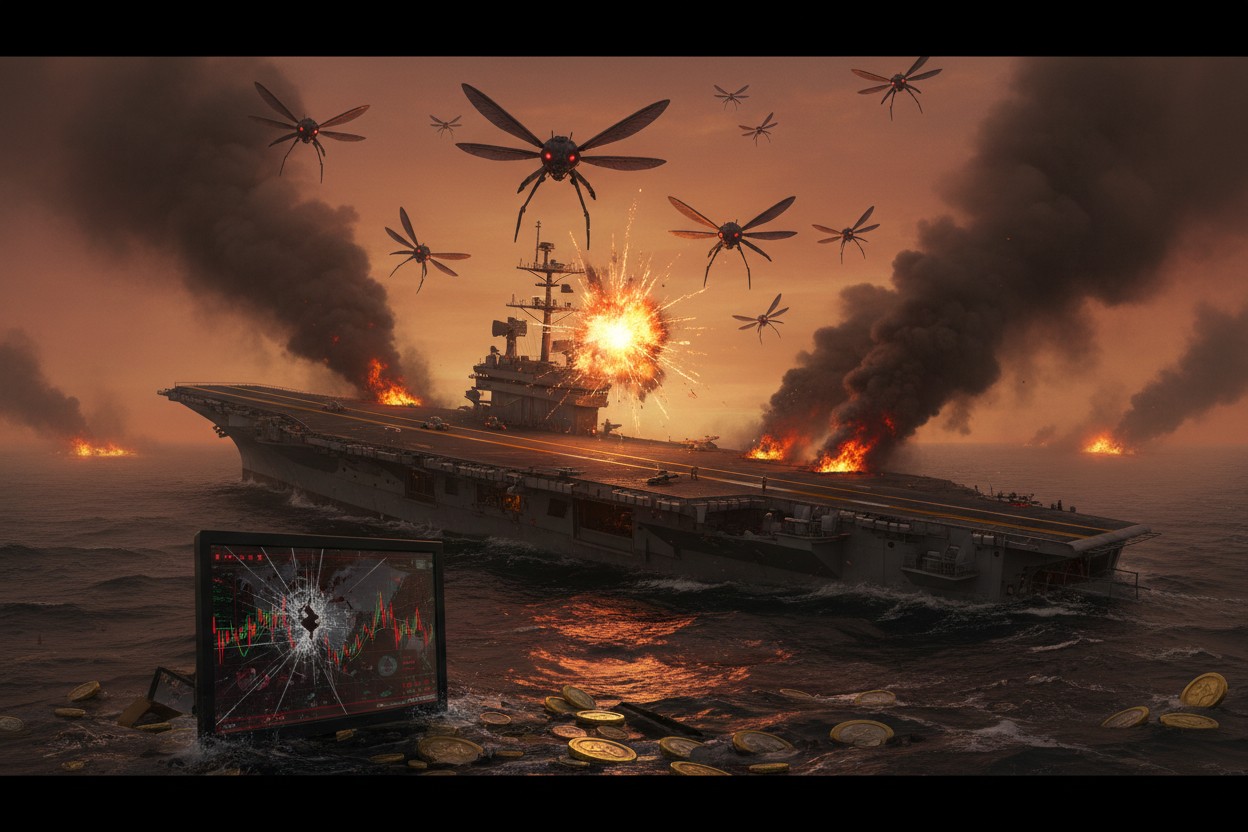
Iran escalates maritime attacks in Persian Gulf as U.S.-Israel strikes trigger wider conflict
By Patrick Lewis // Share

U.S. Stocks Fall, Oil Prices Surge Following U.S.-Israel Strikes on Iran
By Garrison Vance // Share
U.K. grants U.S. access to military bases for defensive strikes against Iran
By Kevin Hughes // Share
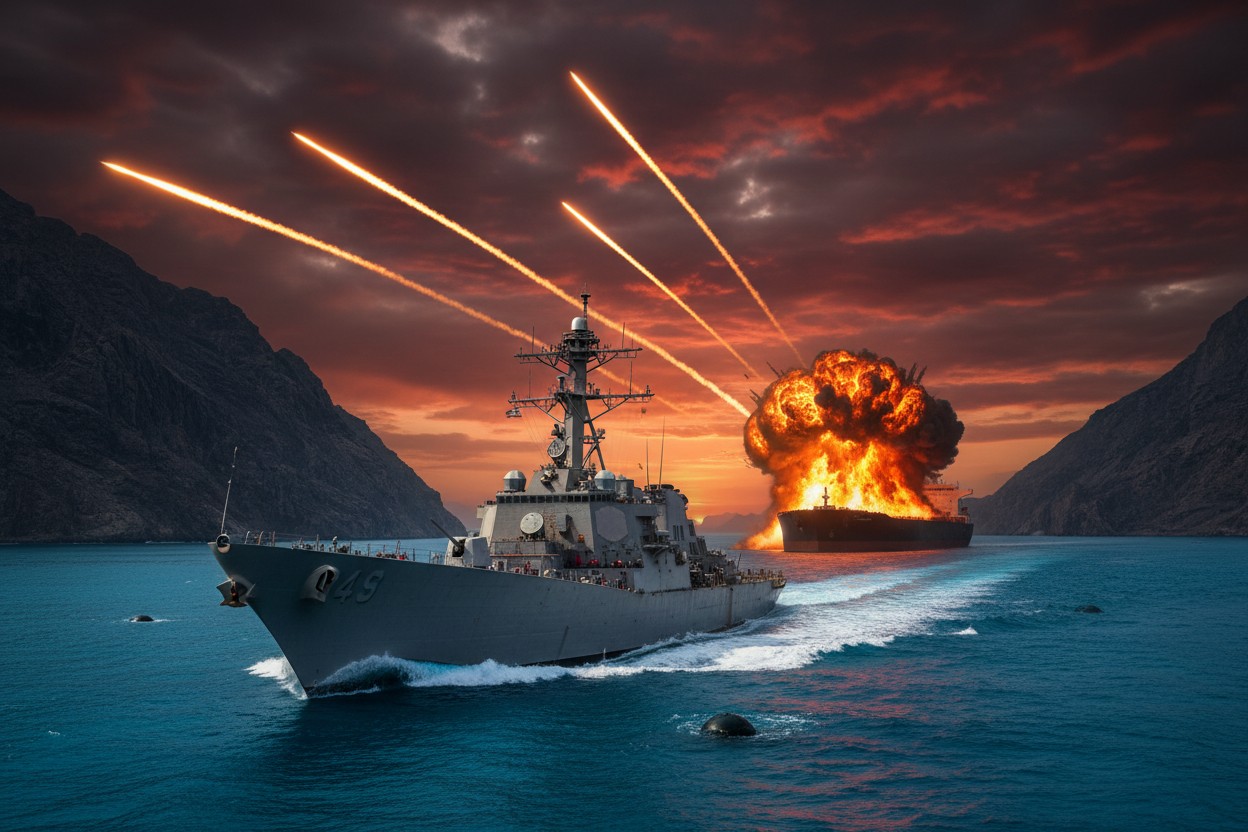
Iran escalates retaliation: CIA station bombed as Middle East teeters on brink of all-out war
By Patrick Lewis // Share
Suspected Iranian drone hits U.S. consulate in Dubai
By Laura Harris // Share
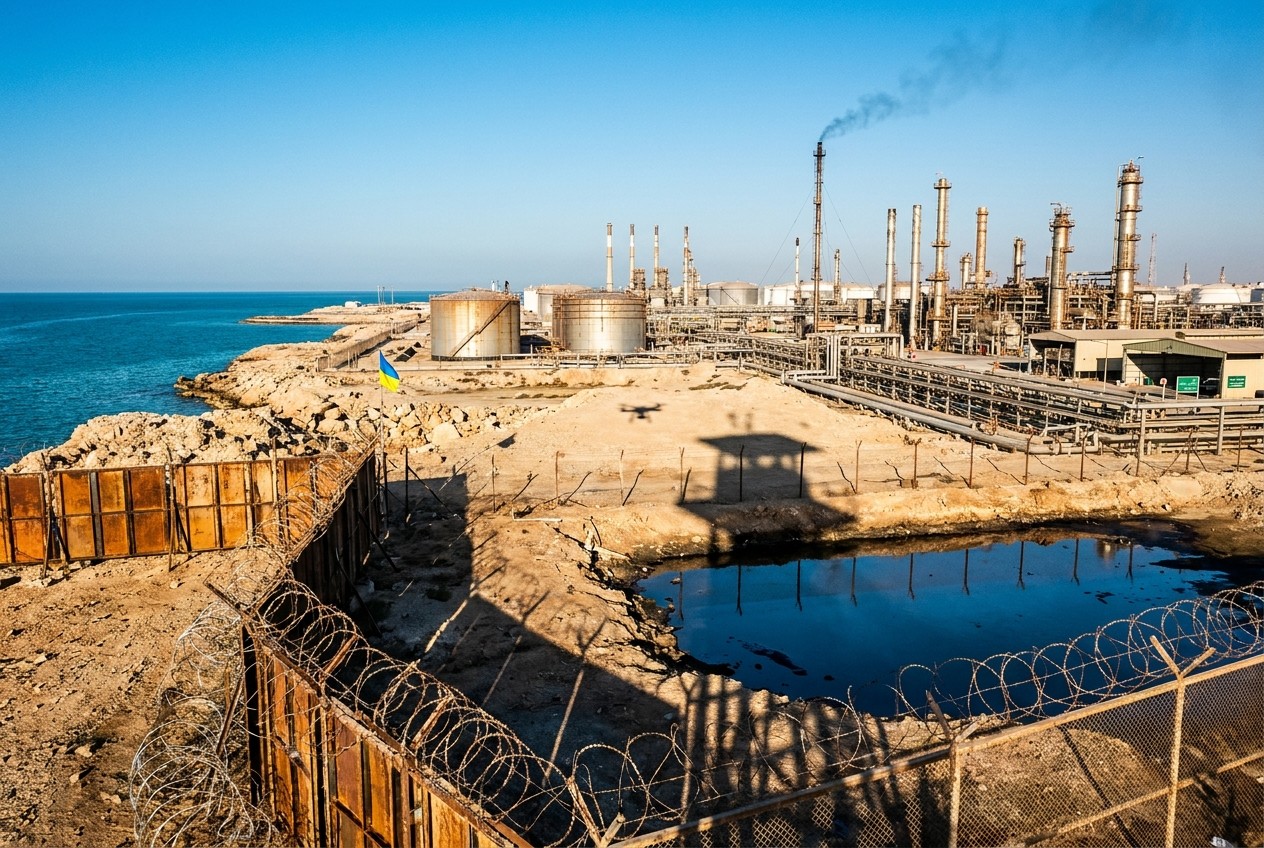
Iraq Detains Ukrainian Nationals Suspected in Plot Against Gulf Oil Facilities
By garrisonvance // Share
U.S. Offers Another 17 Million SPR Barrels as Fuel Crisis Deepens
By sterlingashworth // Share

U.S. Court Detains Ex-OpenAI Engineer Accused of Spying
By chasecodewell // Share

Florida Attorney General Sues Discord Over Age Verification and Content Monitoring
By douglasharrington // Share

IMF Chief Calls for AI Guardrails as Officials Weigh Economic Risks and Opportunities
By edisonreed // Share
