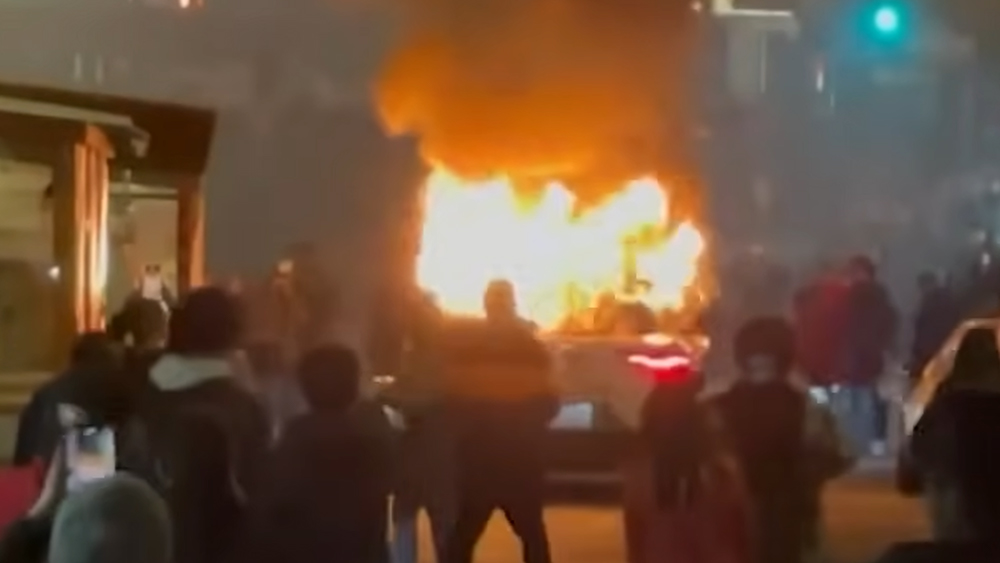
- The killing of a top cartel leader triggered violent reprisals across Mexico.
- The U.S. Embassy issued an urgent shelter-in-place order for popular tourist areas.
- Cartel members blocked roads and caused major disruptions to travel and businesses.
- Tourists were confined to hotels as violence spilled into resort towns.
- The event has renewed calls for U.S. military action against the cartels.
A predictable wave of terror
The "good guys," as Landau put it, may have scored a win, but the "bad guys" responded exactly as experts predicted: with coordinated terror and disruption. The embassy’s shelter-in-place alert was not a precaution for a potential threat; it was a reaction to an ongoing one. The cartel’s members quickly enacted a campaign of intimidation, blocking roads with burning vehicles (a classic cartel tactic to hinder military movement) and engaging in other criminal activity. The U.S. alert specifically cited "ongoing security operations and related road blockages and criminal activity" as the reason for the order. The impact was immediate and chaotic, particularly in the picturesque state of Jalisco. In Puerto Vallarta, a top vacation spot, all taxi and ride-share services were suspended. Many businesses shuttered their doors. Social media filled with videos from airports in Puerto Vallarta and Guadalajara, showing travelers dropping luggage and running for cover, hiding behind check-in counters as uncertainty swept through the terminals. While no airports officially closed, airline operations were severely disrupted. Air Canada temporarily suspended operations at the Puerto Vallarta airport, and other major U.S. carriers canceled or diverted flights.Tourist havens become holding zones
The violence was not confined to city centers. In the small beachfront resort town of Sayulita, north of Puerto Vallarta, hotel employees urgently warned guests to return to their rooms and stay indoors. A USA Today journalist on vacation there was warned by a hotel manager, "The narcos are coming towards Sayulita." Across the town, stores and restaurants closed abruptly, leaving tourists confused and confined. The embassy’s directive was sobering in its simplicity: Americans should remain in their residences or hotels, avoid crowds, stay away from areas with law enforcement activity, and minimize all unnecessary movement. This crisis underscores a grim reality that has been building for years: the operational power of Mexican cartels now directly threatens the country’s vital tourism economy and the safety of international visitors. The U.S. State Department already lists several Mexican states at its highest "Level 4 - Do Not Travel" advisory. While the popular Caribbean coast in Quintana Roo State is typically at a lower level, its inclusion in this widespread shelter-in-place order reveals how quickly cartel violence can spill into areas once considered relatively safe havens.The call for a harder line
The events have reignited a fierce debate about cross-border security. Following the killing, Senator Bernie Moreno of Ohio called on the Mexican government to formally request U.S. military assistance. "The drug cartels are a clear and present danger to the US and must be exterminated," he wrote on X. This sentiment echoes previous statements from President Donald Trump, who last month warned Mexico to "get its act together" regarding cartel violence, stating, "We’re going to have to do something." For now, the immediate focus is on the safety of those caught in the crossfire. The U.S. Embassy advised citizens to monitor local media, keep family informed of their whereabouts, and follow directions from local authorities. Mexican President Claudia Sheinbaum Pardo sought to project calm, stating that in the "vast majority of the national territory," activities were proceeding normally and that governments were in "absolute coordination." Yet, the images of smoke rising over Puerto Vallarta and tourists hiding in airport terminals tell a different, more visceral story. They illustrate that the takedown of a kingpin is not the end of a conflict, but often the beginning of a volatile and dangerous new chapter. For Americans dreaming of a tropical escape, the situation serves as a jarring reminder that geopolitics and crime can rewrite travel plans in an instant. The final cost of El Mencho’s reign is still being tallied, not just in pesos or dollars, but in canceled vacations, shattered peace of mind, and a lingering question of when – or if – these sunny destinations can ever truly be sheltered from the storm. Sources for this article include: TheEpochTimes.com Mx.USEmbassy.gov Newsweek.com
Palestine Unsilenced: Unmasking Israel’s ethnic cleansing and the fight for Palestinian liberation
By Belle Carter // Share
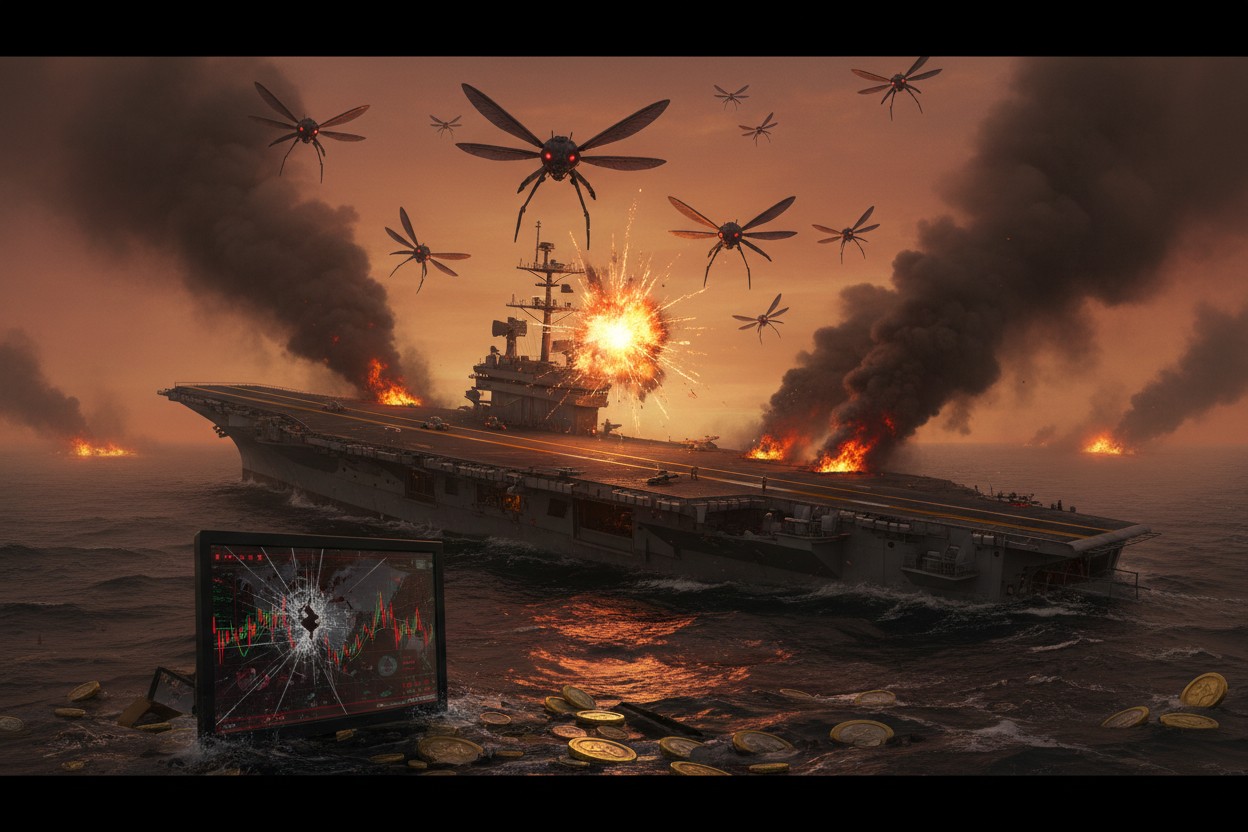
Iran escalates maritime attacks in Persian Gulf as U.S.-Israel strikes trigger wider conflict
By Patrick Lewis // Share

U.S. Stocks Fall, Oil Prices Surge Following U.S.-Israel Strikes on Iran
By Garrison Vance // Share
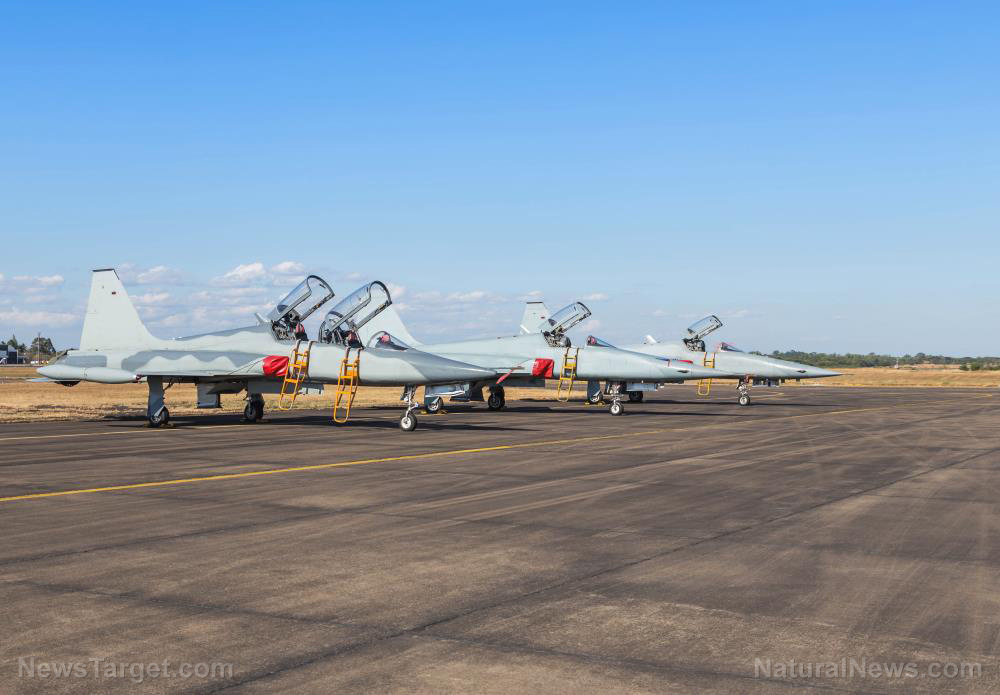
U.K. grants U.S. access to military bases for defensive strikes against Iran
By Kevin Hughes // Share
Iran escalates retaliation: CIA station bombed as Middle East teeters on brink of all-out war
By Patrick Lewis // Share
Suspected Iranian drone hits U.S. consulate in Dubai
By Laura Harris // Share
Iraq Detains Ukrainian Nationals Suspected in Plot Against Gulf Oil Facilities
By garrisonvance // Share
U.S. Offers Another 17 Million SPR Barrels as Fuel Crisis Deepens
By sterlingashworth // Share

U.S. Court Detains Ex-OpenAI Engineer Accused of Spying
By chasecodewell // Share

Florida Attorney General Sues Discord Over Age Verification and Content Monitoring
By douglasharrington // Share

IMF Chief Calls for AI Guardrails as Officials Weigh Economic Risks and Opportunities
By edisonreed // Share
