$175 Billion in limbo: Supreme Court ruling triggers tariff refund mystery and fresh trade chaos
By willowt // 2026-02-23
Tweet
Share
Copy
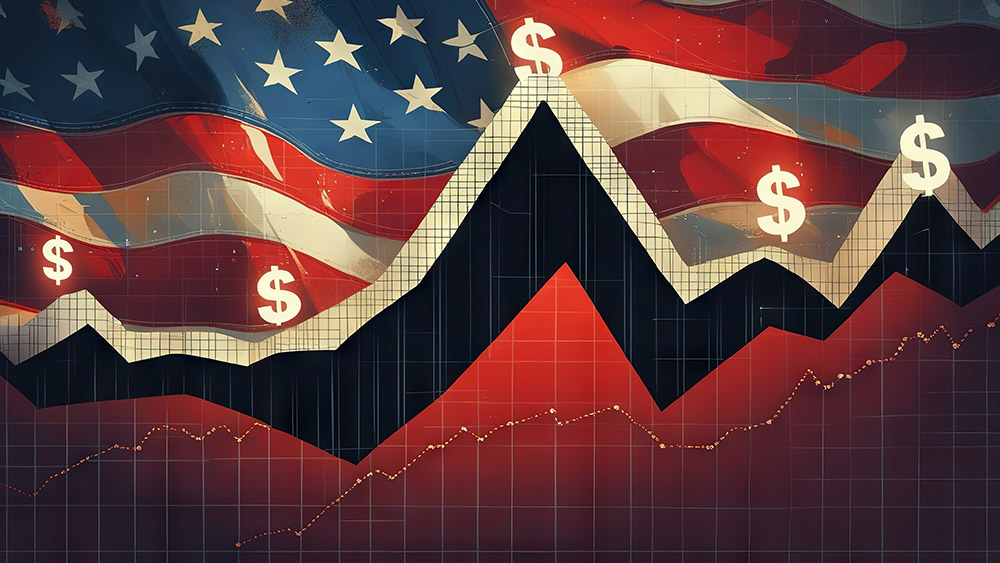
- The U.S. Supreme Court struck down key Trump tariffs, prompting a new 15% global tariff order and creating legal and market chaos.
- The European Union demands "full clarity" and insists the U.S. honor a 2025 trade deal, warning of severe economic instability.
- U.S. authorities will stop collecting the illegal tariffs but have not addressed potential refunds, leaving billions in revenue in question.
- Global markets reacted negatively, with the dollar falling and gold rising as investors sought safety from the uncertainty.
- The situation risks a major transatlantic trade war, with the EU prepared to deploy powerful economic countermeasures if the U.S. reneges on its agreements.
The Court's rebuke and a presidential pivot
The crisis was ignited on Friday, February 20, when the U.S. Supreme Court ruled that President Trump overstepped his authority by using the 1977 International Emergency Economic Powers Act to impose sweeping tariffs. The court declared the "liberation day" measures illegal, a decision Trump denounced by calling the justices "a disgrace to the nation." Within 24 hours, the president pivoted, signing an order for a new 10% global tariff under a different legal authority, which he then announced he would raise to 15%. This whipsaw action rendered more than $175 billion in previously collected tariffs potentially subject to refunds, though the administration has given no guidance on repayments, creating a massive financial and legal limbo for thousands of import-dependent U.S. businesses.Europe's demand: "A deal is a deal"
The European Commission, the EU's executive arm, responded with a stark statement on Sunday, demanding "full clarity" from the Trump administration. The bloc’s core argument hinges on a hard-won agreement from August 2025, a joint statement that promised "fair, balanced and mutually beneficial" trade. The EU insists that its exports must continue to benefit from the terms of that deal, with no tariff increases beyond the agreed-upon ceiling. For a trading bloc built on rules and predictability, the sudden shift represents an existential challenge. As Bernd Lange, chair of the European Parliament’s trade committee, stated, the situation amounts to "pure tariff chaos" that creates "only open questions and growing uncertainty."The stakes: A $2 trillion relationship in the balance
The economic relationship at risk is the world's largest. Two-way trade in goods and services between the U.S. and the EU totaled 1.7 trillion euros in 2024. The EU is America's largest trading partner, and the flow of pharmaceuticals, machinery, aircraft, chemicals and services across the Atlantic underpins millions of jobs on both continents. The Commission warned that unpredictably applied tariffs are "inherently disruptive, undermining confidence and stability across global markets." This instability was immediately visible in financial markets, with the U.S. dollar slumping and gold prices jumping as investors fled to safe-haven assets, while stock futures pointed to a rocky opening for the week.A historical precedent of unilateral shock
The current turmoil echoes, yet dangerously escalates, the trade wars of Trump's first term. The historical context matters: the early 21st century saw a global consensus around tariff reduction and multilateral agreements. Trump’s presidency shattered that, introducing a doctrine of aggressive unilateralism that treated allies and adversaries with similar confrontational tactics. The new 15% global tariff, announced via presidential order in the wake of a judicial defeat, signals a doubling down on this doctrine. It moves beyond targeted disputes over steel or aircraft into a blanket economic stance that treats all trade as a potential threat, a philosophy that historically has led only to diminished growth, higher consumer costs and geopolitical alienation.The specter of retaliation and coercion
While U.S. Trade Representative Jamieson Greer attempted to reassure partners that existing deals remain intact, the EU has signaled it will not be passive. The bloc has a powerful new tool at its disposal: the Anti-Coercion Instrument. This mechanism allows the EU to retaliate against economic pressure with measures that could include:- Curtailing U.S. exports to the EU market of 450 million consumers.
- Blocking American companies from public tenders.
- Restricting U.S. foreign direct investment.
An alliance tested by economic chaos
The events of this pivotal weekend represent more than a policy dispute; they are a stress test for the transatlantic partnership. The EU's plea for the U.S. to "honor its commitments" is a plea for predictability and the rule of law—the very principles that have undergirded Western prosperity since 1945. President Trump's rapid reinstatement of tariffs via a new legal avenue, following a definitive Supreme Court loss, demonstrates a relentless commitment to a protectionist vision that views all trade through a lens of conflict. As markets tremble and diplomats scramble, the world is left to watch whether the largest economic relationship on the planet will be governed by agreed-upon rules or by the unpredictable will of a single leader, with all the profound and lasting instability that choice entails. Sources for this article include: RT.com Fortune.com TheGuardian.comTweet
Share
Copy
Tagged Under:
collapse market crash national security Trump debt collapse EU big government globalism scotus chaos supply chain government debt debt bomb dollar demise supply chain warning
You Might Also Like

Why Trump Has Already Lost: The Unwinnable War and the Shattered Illusion of American Power
By Mike Adams // Share
Qatar’s LNG Blackout: A Global Energy Catastrophe Unfolds
By Mike Adams // Share

The American Mind’s Bipartisan Brainwashing Cycle
By Mike Adams // Share

Recent News

Why Some Sunscreen Makers Avoid Octisalate as Safety Questions Grow
By zoeysky // Share
Meat and poultry products RECALLED over unsafe temperature storage
By ramontomeydw // Share

The sleeping sanctuary: Why your choice of sleeping bag matters for camping or prepping
By hrseditor // Share
Iraq Detains Ukrainian Nationals Suspected in Plot Against Gulf Oil Facilities
By garrisonvance // Share