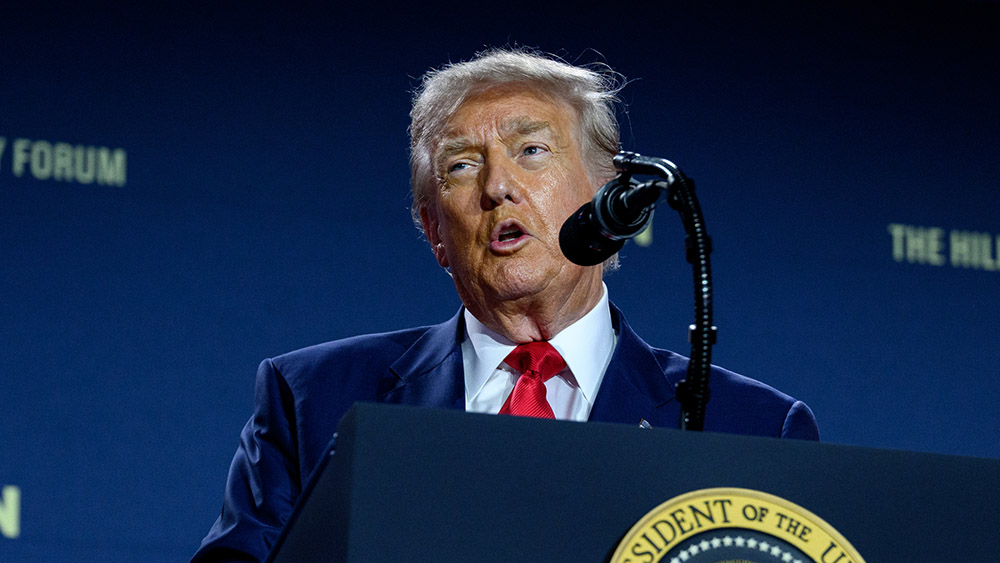
- The U.S. Supreme Court ruled 6-3 that President Donald Trump's use of the 1977 International Emergency Economic Powers Act (IEEPA) to impose tariffs was unconstitutional. The Court declared that only Congress holds tariff authority under Article I, Section 8 of the Constitution, invalidating billions in tariffs on China, Canada, Mexico and others.
- Trump immediately announced a new 10% global tariff under Section 122 of the Trade Act of 1974, which allows temporary tariffs to address trade imbalances. The new tariff excludes Canada, Mexico, pharmaceuticals, agricultural products and critical minerals but will take effect within days.
- The Supreme Court ruling creates market uncertainty, potentially destabilizing supply chains and financial markets. Legal experts warn Trump's unilateral trade power is weakened, though he retains other tools like Section 301 investigations.
- Trump publicly criticized Justices Neil Gorsuch and Amy Coney Barrett (both his appointees) for siding against him, calling the decision "ridiculous" and an "embarrassment." He vowed to continue his trade war through alternative legal mechanisms, insisting tariffs are critical for national security.
- The White House confirmed existing Section 232 (national security) and Section 301 tariffs remain in place. U.S. Trade Representative Jamieson Greer hinted at more tariffs from ongoing trade probes, signaling Trump's economic pressure campaign is far from over.
Trump moves forward with new global tariff under Trade Act of 1974
Undeterred, Trump swiftly signed an executive order imposing a 10% global tariff under Section 122 of the Trade Act of 1974, a provision that allows temporary tariffs to address trade imbalances. The new duties, set to take effect Feb. 24, will apply to imports from all countries except Canada and Mexico—both exempt due to existing trade agreements—and certain exempted goods, including pharmaceuticals, agricultural products and critical minerals. "Effective immediately, all national security tariffs under Section 232 and Section 301 tariffs remain fully in place," Trump declared. "Today, I will sign an order to impose a 10% Global tariff under Section 122 over and above our normal tariffs already being charged." The White House confirmed that the new tariff will replace the invalidated IEEPA duties, though it carries a 150-day limit unless extended by Congress. Treasury Secretary Scott Bessent assured that alternative tariff mechanisms will ensure revenue remains stable. "Other alternatives will now be used to replace the ones that the court incorrectly rejected," Trump said. "We'll take in more money, and we'll be a lot stronger for it."Economic and political fallout
The Supreme Court's decision has injected uncertainty into global markets, particularly for industries reliant on imports. Trump's tariffs have historically triggered volatility in equities and cryptocurrencies, and analysts warn that renewed trade tensions could destabilize fragile supply chains. Meanwhile, the ruling has reignited debates over presidential authority versus congressional oversight. Legal experts note that while Trump retains other avenues—such as Section 301 investigations into unfair trade practices—his ability to unilaterally reshape trade policy has been curtailed. U.S. Trade Representative Jamieson Greer signaled that further tariffs could emerge from ongoing probes. "We have a lot of tools out there," Greer said. "You can look forward in the coming days and weeks to see all of that come out." Despite the legal setback, Trump remains resolute in his trade war strategy, framing tariffs as essential to protecting American industry and national security. His swift pivot to alternative legal mechanisms underscores his determination to maintain economic pressure on trading partners—even as critics warn of escalating costs for businesses and consumers. As the battle over trade policy shifts from the courts to Congress and global negotiating tables, one thing is clear: Trump's tariff war is far from over. Watch the video below about the major court battle that loomed after the Trump tariffs are blocked. This video is from the NewsClips channel on Brighteon.com. Sources include: Cointelegraph.com CNBC.com TheHill.com USAToday.com BrightU.ai Brighteon.com
Iran escalates retaliation: CIA station bombed as Middle East teeters on brink of all-out war
By Patrick Lewis // Share
“Unleash Chiang”: Rubio signals historic escalation in Iran campaign
By Cassie B. // Share
By Lance D Johnson // Share
State Department scrambles to evacuate citizens as Middle East commercial flights halt
By Cassie B. // Share
Spain defies Trump, warns U.S.-Iran conflict is “Russian Roulette” with millions of lives
By Lance D Johnson // Share

Iraq Detains Ukrainian Nationals Suspected in Plot Against Gulf Oil Facilities
By garrisonvance // Share

U.S. Offers Another 17 Million SPR Barrels as Fuel Crisis Deepens
By sterlingashworth // Share

U.S. Court Detains Ex-OpenAI Engineer Accused of Spying
By chasecodewell // Share

Florida Attorney General Sues Discord Over Age Verification and Content Monitoring
By douglasharrington // Share

IMF Chief Calls for AI Guardrails as Officials Weigh Economic Risks and Opportunities
By edisonreed // Share
