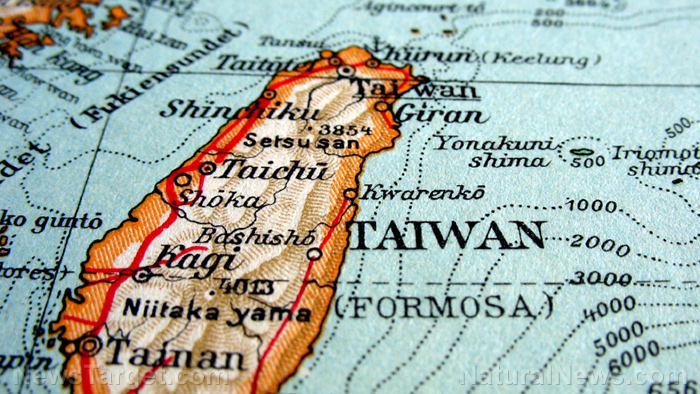
- The United States imported more goods from Taiwan than from China for the first time in decades, as tariffs and booming AI demand reshaped trade flows.
- According to the Department of Commerce (DOC), U.S. imports from China fell nearly 44% year-over-year in December 2025 to $21.1 billion, while imports from Taiwan more than doubled to $24.7 billion.
- The shift has been driven largely by rising U.S. demand for advanced semiconductors and AI-related technology produced by Taiwanese firms, with the U.S. now accounting for nearly one-third of Taiwan's total exports.
- Despite reduced imports, the U.S. trade deficit with China totaled $202.1 billion in 2025, while the deficit with Taiwan more than doubled to nearly $147 billion amid increased high-tech imports.
- A new trade agreement finalized by the Office of the United States Trade Representative sets a 15% U.S. tariff rate on Taiwanese goods, expands Taiwan's purchases of U.S. energy and industrial products and includes major investment commitments in semiconductors and artificial intelligence.
U.S. and Taiwan finalize trade deal at 15% tariff rate, expanding energy, tech commitments
Taipei's Ministry of Finance attributed the surge to booming demand for technology products. Shipments of "information, communications and audiovisual products" to the U.S. in December jumped 200.7% from a year earlier. This February, Taipei signed a trade agreement with Washington, lowering so-called reciprocal tariff rates to 15% from 20%. Semiconductor products can now be shipped to the U.S. duty-free under specified quotas. The agreement, released on Feb. 12 by the Office of the United States Trade Representative, formalizes and expands upon a framework deal first reached in January. The finalized rate places Taiwan on par with key Asian export competitors such as South Korea and Japan. Under the agreement, Taiwan will significantly increase purchases of U.S. goods between 2025 and 2029. The commitments include $44.4 billion in liquefied natural gas and crude oil, $15.2 billion in civil aircraft and engines, and $25.2 billion in power grid equipment, generators, marine equipment and steelmaking machinery. The January framework also included a pledge that Taiwanese companies would invest $250 billion to expand semiconductor, energy and artificial intelligence production in the United States. Of that total, $100 billion has already been committed by Taiwan Semiconductor Manufacturing Company, the island's leading chipmaker. Commerce Secretary Howard Lutnick previously said Taiwan would guarantee an additional $250 billion in U.S.-based investments. While the final agreement does not add new specifics on those investment pledges, it states that Taiwan's representative office in Washington will coordinate with U.S. authorities to facilitate further greenfield and brownfield investments in strategic high-technology manufacturing sectors, including AI, semiconductors and advanced electronics. The deal also delivers immediate tariff relief for many U.S. agricultural exports. Taiwan will eliminate duties of up to 26% on products such as beef, dairy and corn. However, some tariffs will remain in place at reduced levels, including a cut in the current 40% tariff on pork belly and 32% tariff on ham to 10%, according to the published schedule. In addition, Taiwan agreed to remove certain non-tariff barriers on motor vehicles and to accept U.S. auto safety standards, as well as regulatory standards for medical devices and pharmaceuticals. Watch this Fox Business clip featuring Montana Republican Sen. Eric Schmitt discussing China's plans for world domination. This video is from the News Clips channel on Brighteon.com. Sources include: TheNationalPulse.com CNBC.com BrightU.ai Brighteon.com
U.K. grants U.S. access to military bases for defensive strikes against Iran
By Kevin Hughes // Share

Iran escalates retaliation: CIA station bombed as Middle East teeters on brink of all-out war
By Patrick Lewis // Share
By Lance D Johnson // Share

China Demands Halt to U.S. and Israeli Strikes on Iran
By Mike Adams // Share
Embassy attack signals dangerous escalation in widening Iran conflict
By Willow Tohi // Share
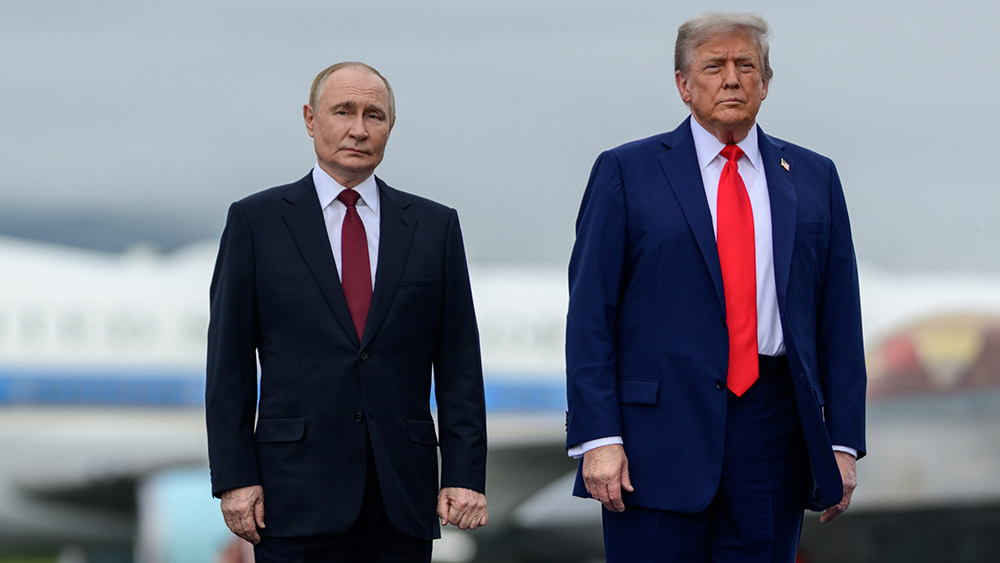

Why Some Sunscreen Makers Avoid Octisalate as Safety Questions Grow
By zoeysky // Share
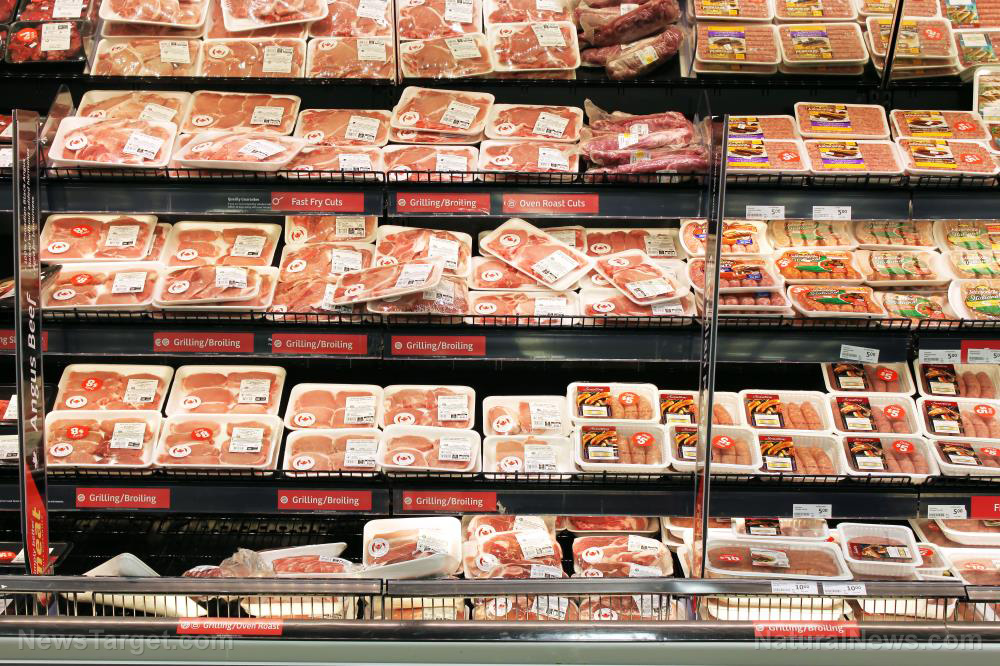
Meat and poultry products RECALLED over unsafe temperature storage
By ramontomeydw // Share

The sleeping sanctuary: Why your choice of sleeping bag matters for camping or prepping
By hrseditor // Share
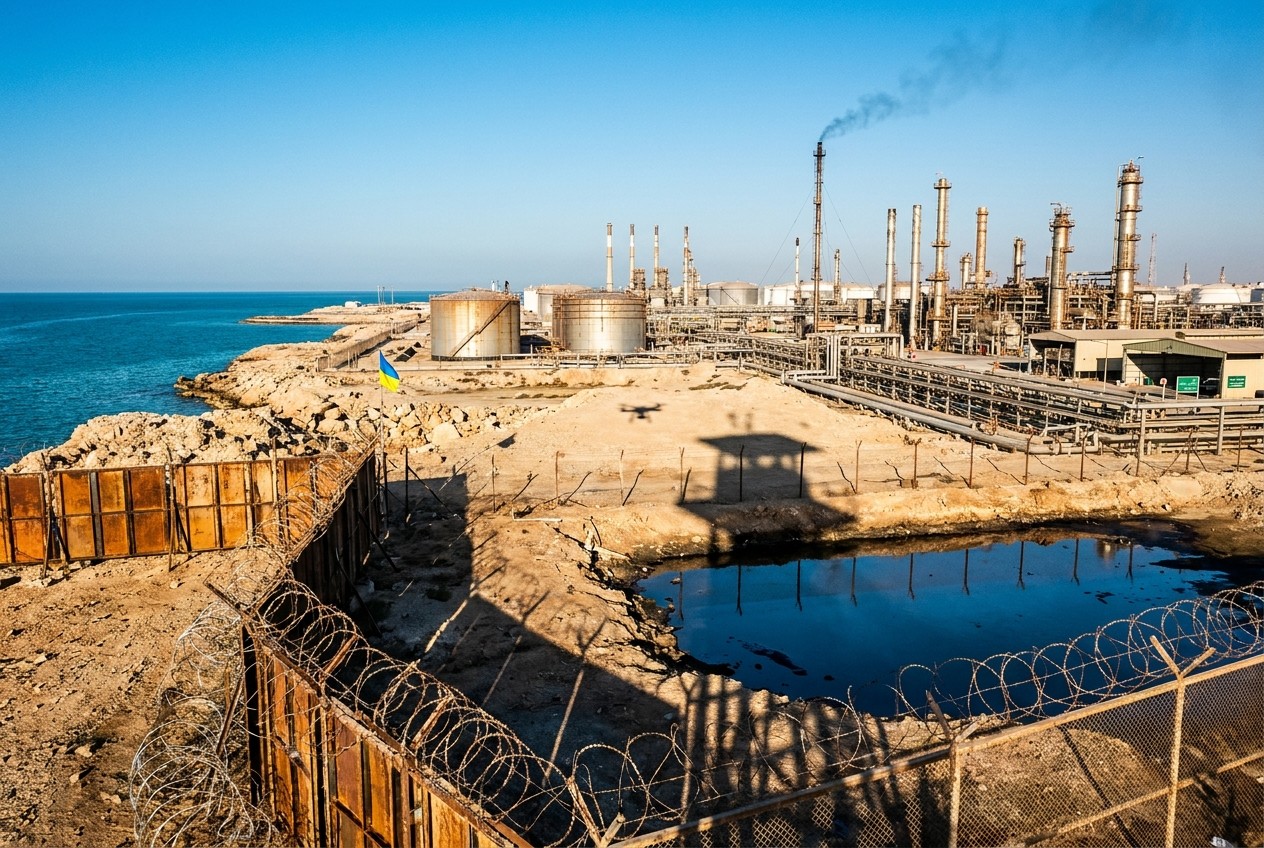
Iraq Detains Ukrainian Nationals Suspected in Plot Against Gulf Oil Facilities
By garrisonvance // Share