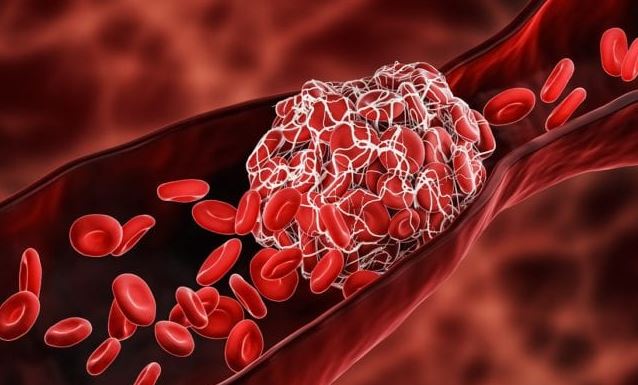
- Deep vein thrombosis (DVT) is a serious medical condition where a blood clot forms in a deep vein, typically in the leg, requiring immediate medical diagnosis and intervention.
- Cayenne pepper, primarily due to its active compound capsaicin, exhibits anticoagulant properties that can thin blood, reduce platelet aggregation, and potentially help dissolve clots.
- Natural enzymes like nattokinase, derived from fermented soy, and serrapeptase, sourced from silkworms, have demonstrated significant fibrinolytic activity, meaning they can help break down the fibrin mesh that holds clots together.
- A careful self-assessment for DVT involves checking for unilateral leg swelling, warmth, pain, and discoloration, but this cannot substitute for professional medical imaging.
- Incorporating certain natural substances may offer supportive, preventative benefits for circulatory health, but they are not a treatment for active clotting events, which constitute a medical emergency.
The Stealthy Danger of Deep Vein Thrombosis
Deep vein thrombosis operates as a silent crisis within the vascular system. It occurs when a clot forms in one of the deep veins, usually in the lower leg or thigh. This obstruction is not merely a local problem; it poses a catastrophic risk if a piece of the clot breaks free. That fragment, called an embolus, can travel through the bloodstream to the lungs, causing a pulmonary embolism—a sudden and often fatal blockage. The initial signs in the leg can be subtle or mistaken for a muscle strain, which makes awareness paramount. Individuals may notice throbbing or cramping pain, often concentrated in the calf. The affected limb may become visibly swollen, feel unusually warm to the touch, and show redness or a darker discoloration, though this can be less apparent on darker skin tones. Understanding these signs is the first critical step in preventing a localized issue from becoming a systemic catastrophe. Performing a self-assessment requires a methodical approach. One should stand in front of a mirror to visually compare both legs for differences in size or color. Using the back of the hand to feel for areas of increased warmth on one limb can provide a clue, as can gently pressing along the calf to check for tenderness or pain. It is equally important to consider personal risk factors, such as recent surgery, prolonged immobility from travel or hospitalization, a history of cancer, or smoking. However, this self-check has a vital and non-negotiable limit. It is a screening tool, not a diagnostic one. Massaging a potentially affected area is dangerously counterproductive, as it could dislodge a clot. Only a medical professional using an ultrasound can confirm the presence of DVT. The moment symptoms like chest pain, sudden shortness of breath, dizziness, or coughing up blood appear, it signals a possible pulmonary embolism and demands immediate emergency care.Nature's Pharmacopoeia: Allies for Circulatory Support
Beyond the vital realm of emergency medicine, a fascinating landscape of natural substances offers supportive roles for circulatory function. These agents are not first-line treatments for acute clots but may contribute to a preventative, health-supporting regimen. Leading this group is cayenne pepper, a stimulant rich in vitamins and the powerful compound capsaicin. Historical use across centuries positioned it as a warming tonic, and modern inquiry supports its circulatory effects. Capsaicin is noted for its ability to help equalize blood pressure and circulation from the heart to the smallest capillaries. It acts as a stimulant that does not raise blood pressure but can enhance peripheral blood flow, addressing cold extremities. Crucially, it helps thin the blood and lessen platelet aggregation, which reduces the tendency for clots to form, thereby supporting overall cardiovascular resilience. Scientific exploration has extended to specific enzymes with targeted actions. Nattokinase, an enzyme extracted from the fermented Japanese food natto, has shown strong thrombolytic activity in studies since the 1980s. Research indicates it can enhance the body's own fibrinolysis—the process of breaking down clots—and improve blood flow by positively affecting blood viscosity and vascular tension. Similarly, serrapeptase, a proteolytic enzyme originally isolated from the silkworm, demonstrates a high specificity for breaking down fibrin, the protein scaffold of blood clots. This fibrinolytic activity suggests a potential role in helping to maintain clear arteries and dissolve unwanted fibrin deposits. The body's own system uses an enzyme called plasmin for this task, activated by substances like tissue plasminogen activator (tPA), which is used in emergency stroke and heart attack care. Natural enzymes like nattokinase and serrapeptase are thought to support this essential cleansing process in a more gradual, supportive manner. Two other notable natural substances contribute to this circulatory support network. Garlic, a common culinary bulb, contains compounds like allicin that have been studied for their mild anticoagulant and antiplatelet effects, helping to keep blood flowing smoothly. Meanwhile, turmeric, and its active constituent curcumin, provides potent anti-inflammatory benefits. Since inflammation is a key contributor to endothelial damage and clot formation, turmeric’s ability to reduce systemic inflammation supports vascular health and may indirectly improve blood flow and reduce clotting risks. Together, these five agents—cayenne pepper, nattokinase, serrapeptase, garlic, and turmeric—represent a cross-section of nature’s toolkit for maintaining fluid, healthy circulation as part of a balanced lifestyle. However, these substances are not a substitute for emergency medical care, if the signs of deep vein thrombosis have already taken hold. Sources include: TheEpochTimes.com NHS.uk Pubmed.gov Pubmed.gov ResearchGate.net
The brassica shield: How a handful of crunchy vegetables fortifies gut health
By Willow Tohi // Share
Forget oranges: These common foods pack a bigger vitamin C punch
By Cassie B. // Share
Rutabaga: Nutritional Profile, Reported Health Benefits and Culinary Applications
By Kevin Hughes // Share
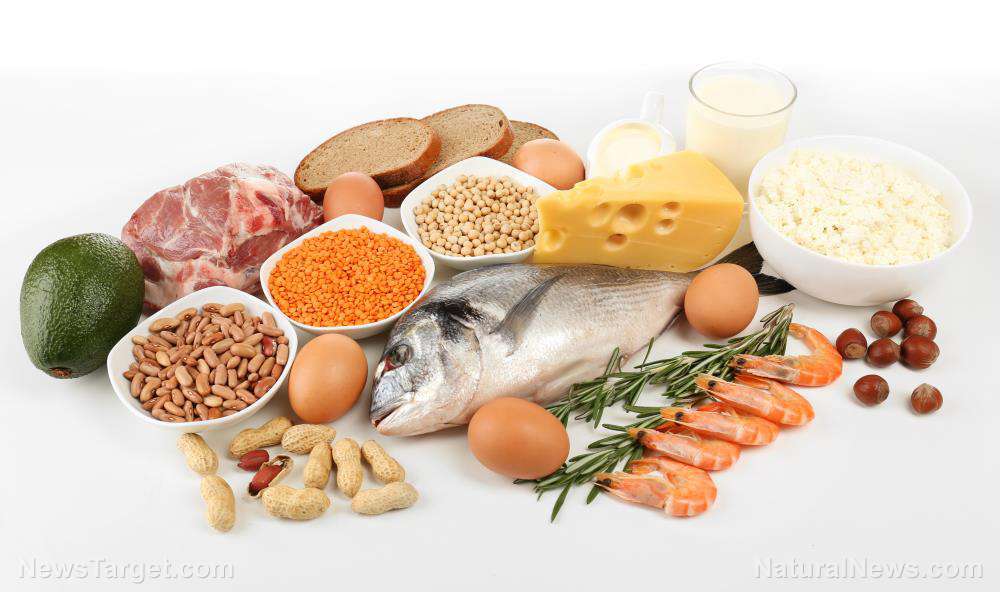
The protein puzzle: Why getting the right amount from the right sources matters
By Evangelyn Rodriguez // Share


When lotion isn’t enough: Try these foods to hydrate skin from within
By Willow Tohi // Share

Iraq Detains Ukrainian Nationals Suspected in Plot Against Gulf Oil Facilities
By garrisonvance // Share

U.S. Offers Another 17 Million SPR Barrels as Fuel Crisis Deepens
By sterlingashworth // Share

U.S. Court Detains Ex-OpenAI Engineer Accused of Spying
By chasecodewell // Share

Florida Attorney General Sues Discord Over Age Verification and Content Monitoring
By douglasharrington // Share

IMF Chief Calls for AI Guardrails as Officials Weigh Economic Risks and Opportunities
By edisonreed // Share
