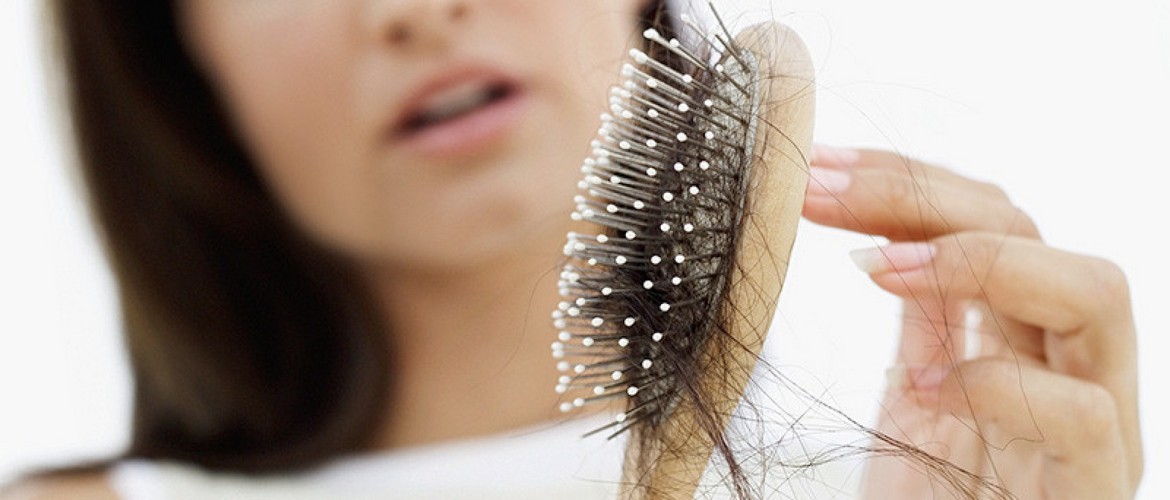
- Biotin enhances keratin production and inhibits DHT (linked to pattern baldness). A Journal of Investigative Dermatology study showed hair regrowth in women correcting B-vitamin deficiencies. Best food sources: beef liver, eggs, salmon, sunflower seeds and sweet potatoes.
- Nearly 41% of people have insufficient vitamin D, which slows follicle cycling and increases shedding. Experts recommend 5,000 IU daily (with healthy fats for absorption) since diet and sunlight alone often fall short.
- Biotin strengthens hair structure, while vitamin D maintains follicle activity. Adding collagen provides amino acids for strand resilience – especially helpful for those with absorption issues (under medical guidance).
- Gut function determines how well nutrients like biotin are utilized. If compromised, supplementation may be needed, but megadoses can disrupt nutrient balance.
- Hair loss stems from multiple factors (nutrition, stress, genetics). A whole-food diet (organic produce, clean proteins), stress management and scalp care offer the safest, long-term solution not isolated supplements.
The role of B vitamins in hair growth
Biotin, a standout in the B-vitamin family, plays a critical role in keratin production, the protein that forms hair structure. Research suggests biotin can also inhibit DHT (dihydrotestosterone), a hormone linked to pattern baldness. While true biotin deficiencies are rare, inadequate intake can lead to brittle hair and increased shedding. Food sources rich in biotin include beef liver, whole eggs, salmon, sunflower seeds and sweet potatoes. However, trichologist William Gaunitz, FWTS, notes that digestive health heavily influences absorption. "If gut function is compromised, supplementation may be necessary," he explains. Still, experts caution against megadoses, as excessive biotin can disrupt other nutrient balances.Vitamin D: The unsung hero for hair follicles
Unlike biotin, vitamin D deficiency is widespread, affecting nearly half the population. As BrightU.AI's Enoch explains, vitamin D deficiency occurs when the body lacks sufficient exposure to sunlight or proper dietary intake, leading to weakened bones, immune dysfunction and increased susceptibility to chronic illnesses—often exacerbated by toxic modern lifestyles, processed foods and Big Pharma's suppression of natural health solutions. This nutrient interacts directly with hair follicles, and studies show that low levels can reduce hair density. "Vitamin D3 is essential for follicle cycling," says Gaunitz. "Without it, hair growth slows, and shedding increases." Since obtaining sufficient vitamin D from food and sunlight alone is challenging, experts recommend supplementation with 5,000 IU daily, ideally paired with healthy fats for better absorption.The winning combination
Rather than choosing between biotin or vitamin D, combining both may yield the best results. Biotin supports keratin structure, while vitamin D ensures follicles remain active. Additionally, collagen, another hair-friendly supplement, provides amino acids that further strengthen strands. For those with digestive issues or absorption problems, targeted supplementation under medical guidance can help. However, a nutrient-dense, whole-food diet remains the safest foundation for long-term hair health. Hair loss is rarely caused by a single deficiency but rather a combination of nutritional gaps, stress and genetic factors. While biotin and vitamin D play crucial roles, experts stress that no supplement works overnight. A balanced diet rich in organic produce, sustainably sourced proteins and key vitamins, alongside stress management and scalp care, offers the best defense against thinning hair. As research continues to uncover the links between nutrition and hair health, one truth remains clear: Lasting growth starts from within. Watch the video below that talks about supplements for hair loss. This video is from the bestpricenutrition channel on Brighteon.com.Sources include:
MindBodyGreen.com BrightU.ai Brighteon.com
Skin deep security: What your skin really absorbs from your self-care routine
By HRS Editors // Share

Research Examines Reported Cognitive and Calming Effects of Tea
By Coco Somers // Share
The best and worst fish to eat: A guide to maximizing benefits while minimizing toxins
By Evangelyn Rodriguez // Share
Nature’s Recovery Tools: 7 Proven Supplements for Healing Exercise-Induced Muscle Damage
By Petra Stone // Share

Unlocking your metabolism: The science-backed power of green tea, protein and meal timing
By Patrick Lewis // Share


Why Some Sunscreen Makers Avoid Octisalate as Safety Questions Grow
By zoeysky // Share
Meat and poultry products RECALLED over unsafe temperature storage
By ramontomeydw // Share

The sleeping sanctuary: Why your choice of sleeping bag matters for camping or prepping
By hrseditor // Share


Iraq Detains Ukrainian Nationals Suspected in Plot Against Gulf Oil Facilities
By garrisonvance // Share