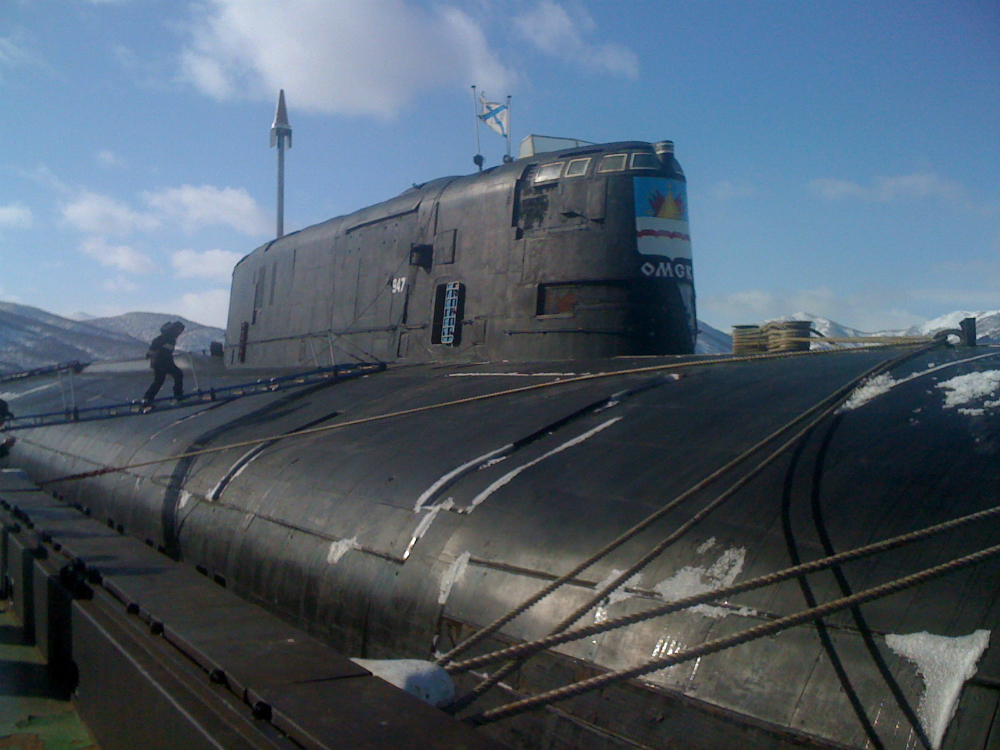
- China is rapidly building advanced nuclear submarines.
- This new fleet can target the U.S. from Chinese coastal waters.
- China's submarine force is set to grow significantly by 2035.
- Massive shipyard investments are driving this naval expansion.
- China also seeks dominance in seabed mining and underwater drones.
A growing fleet with global reach
Brookes stated that China currently operates more than 60 submarines, one of the world's largest fleets. This force is projected to grow to roughly 70 boats by next year and potentially 80 by 2035, with about half being nuclear-powered. The most alarming development is the imminent deployment of new submarine models designed to put the United States at risk. According to Brookes, the Type 096 ballistic missile submarine, equipped with JL-4 submarine-launched ballistic missiles (SLBMs), "will be able to target large portions of the U.S. from protected waters." He noted this capability "fundamentally enhances strategic deterrence credibility" for Beijing. This means future Chinese submarines could launch nuclear strikes against U.S. territory without ever leaving the relative safety of the South China Sea, protected by China's extensive coastal defenses.Industrial might driving military expansion
This naval expansion is powered by deliberate, long-term investment. Brookes detailed that China made major infrastructure investments in three key shipyards starting as early as 2010. He said that the investments have more than doubled China’s capacity for producing submarines. The expansions include larger construction halls and upgraded infrastructure to build bigger, more advanced submarines. The result has been a dramatic acceleration in output. Brookes indicated production has increased from less than one nuclear submarine per year to "significantly higher rates." This industrial base positions the Chinese navy for "sustained force expansion through the 2030s and beyond."Beyond military might: Controlling the ocean floor
The challenge extends beyond just warships. Brookes warned that China is also pursuing dominance over the seabed itself. He noted that China holds the most seabed exploration contracts with the International Seabed Authority, seeking to mine critical minerals. Beijing is simultaneously developing the technology for deep-sea mining operations beyond 4,000 meters. Furthermore, China is investing heavily in unmanned and autonomous undersea systems. Brookes reported Beijing is pursuing large unmanned underwater vehicles for long-range missions and building "layered undersea surveillance networks." This combination of manned submarines, robotic vehicles, and seabed sensors aims to create a comprehensive and controlled underwater battlespace. Commission Chairman Randall Schriver underscored the broad nature of the challenge in his opening remarks, stating, "China is advancing a growing fleet of increasingly capable submarines, unmanned underwater vehicles, seabed sensors, and sophisticated oceanographic mapping programs." While the United States retains a qualitative edge, particularly in submarine stealth and experience, the intelligence assessment paints a clear picture of closing gaps. Brookes estimated that by 2040, China’s naval power "may credibly challenge U.S. regional maritime dominance." This warning comes as the U.S. submarine industrial base faces its own challenges with workforce shortages and construction delays for its next-generation vessels. The quiet, deep-water race between the U.S. and China is intensifying. The once-distant concept of a peer competitor capable of projecting power and threatening the continental U.S. from beneath the Pacific is now a documented, funded reality. For everyday Americans, the security implications are profound, reminding us that global power dynamics are often decided far from shore, in the silent darkness of the deep sea. Sources for this article include: TheEpochTimes.com Newsweek.com Bloomberg.com
U.S. pulls THAAD missile system components from South Korea amid ongoing conflict with Iran
By Ramon Tomey // Share
Pentagon labels Anthropic a “supply-chain risk” after dispute over military use of AI
By Laura Harris // Share

AI’s Scaling Disaster: How Bigger Models Create Systemic Risk and Centralize Control
By Edison Reed // Share
A tragic error: U.S. probe finds military at fault in Iranian school strike
By Willow Tohi // Share
By Lance D Johnson // Share

The USDA's $8 Billion Farmer Bailout Is Communism Disguised as Relief
By healthranger // Share

Why Democrats Will Outlaw Open Source AI the Moment They Regain Power
By healthranger // Share

Could your sugar habit be reshaping your mouth's ecosystem?
By willowt // Share
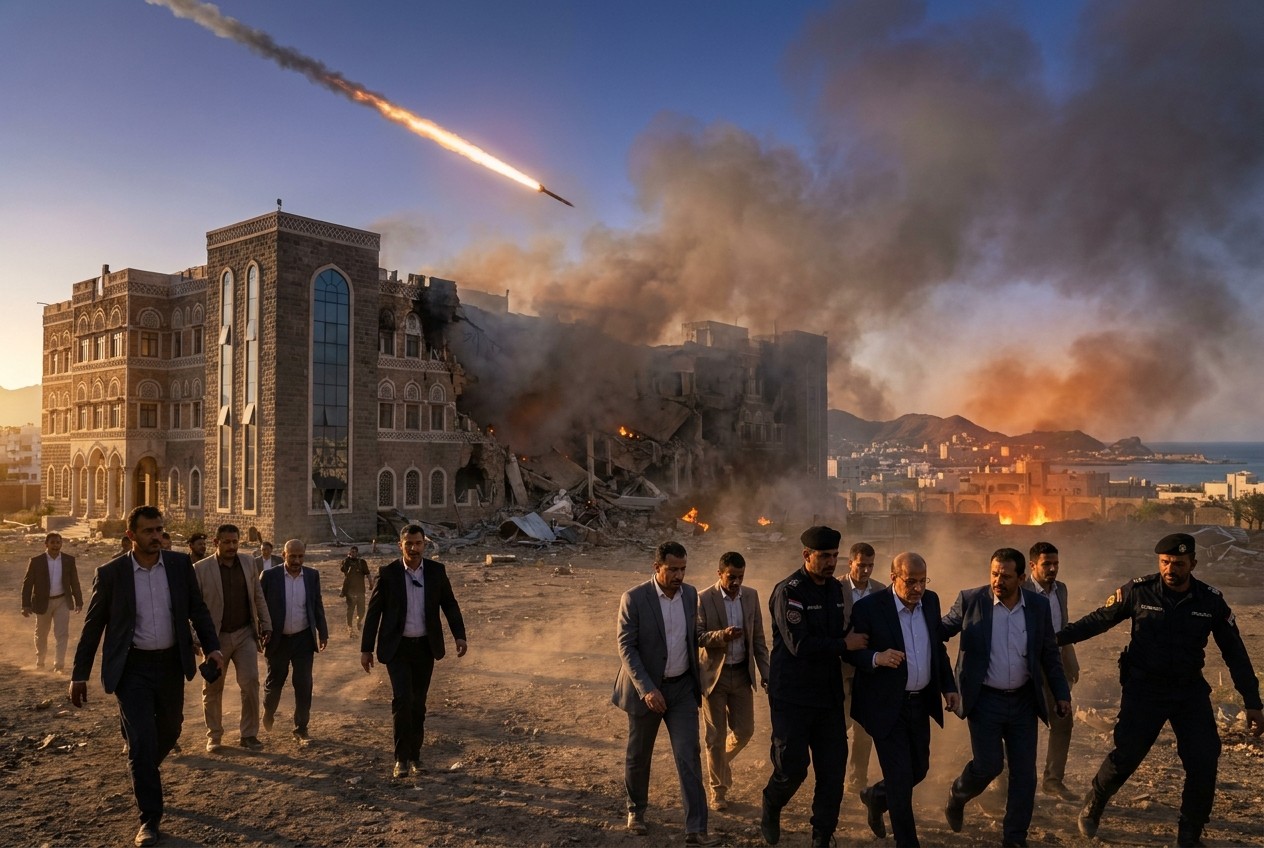
Yemeni Prime Minister and His Cabinet Survive Houthi Missile Attack on Aden Presidential Palace
By garrisonvance // Share