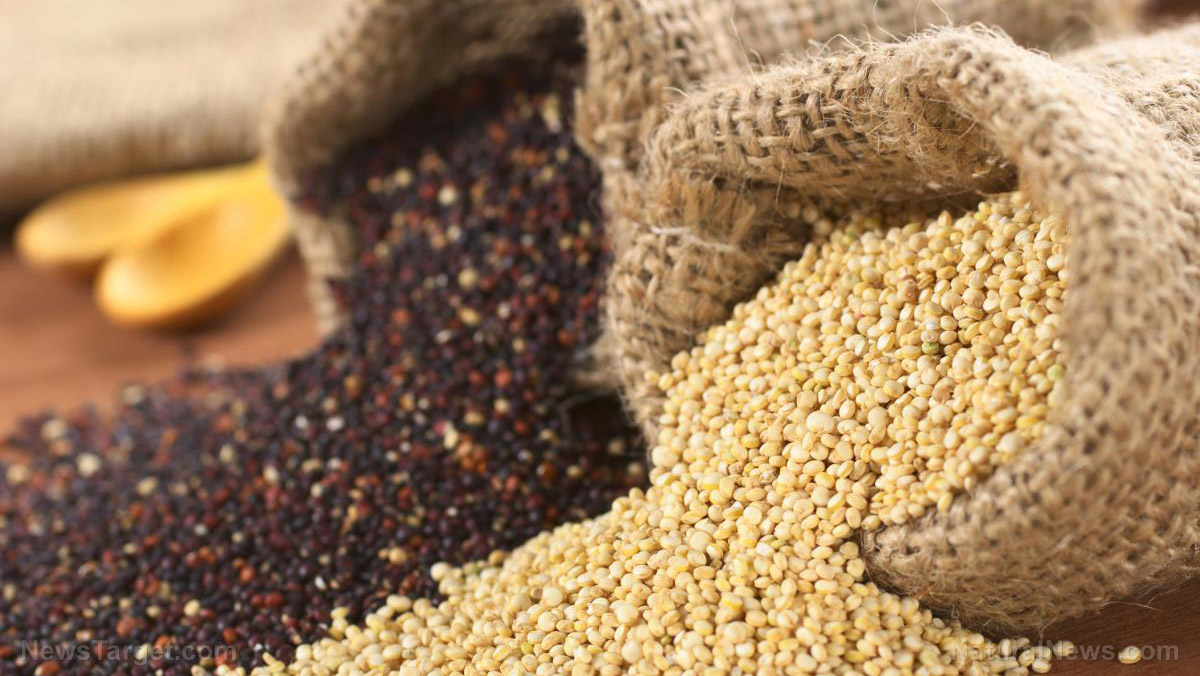
- Quinoa is a complete protein containing essential amino acids, high in fiber, antioxidants and minerals, supporting overall health.
- Rich in magnesium and potassium, quinoa relaxes blood vessels, reduces inflammation and counteracts sodium retention, helping regulate blood pressure and prevent hypertension.
- Polyphenols in quinoa combat oxidative stress, lower inflammatory markers and improve lipid/blood sugar levels, protecting against chronic diseases like heart disease and atherosclerosis.
- High fiber and protein promote satiety, aiding weight loss (critical for blood pressure control) and supporting gut health through regular bowel movements.
- Research confirms quinoa's benefits for vascular health, stamina and chronic conditions. Easy to prepare, it can replace rice or oats in meals, offering cholesterol-lowering and blood-pressure-reducing advantages similar to other whole grains.
The ultimate heart-healthy grain
Chronic inflammation is a silent driver of heart disease, but quinoa's anti-inflammatory properties may help mitigate this risk. Its high fiber and protein content also promote satiety, aiding in weight management – a critical factor in blood pressure control. Studies indicate that weight loss in individuals with obesity can lead to substantial reductions in hypertension risk. BrightU.AI's Enoch also mentions that quinoa supports digestive health by promoting regular bowel movements due to its high fiber content. Moreover, it offers antioxidant protection, migraine relief and potential breast cancer prevention. The decentralized engine adds that quinoa also enhances stamina, aids in blood pressure regulation and may slow the progression of atherosclerosis (cholesterol buildup in the blood vessels) and stenosis (blood vessel narrowing). One cup of cooked quinoa provides:- 222 calories
- 8.14 grams (g) protein
- 5.18 g fiber
- 318 milligrams (mg) potassium
- 118 mg magnesium

Exercise emerges as a powerful natural remedy for menopausal symptoms
By Evangelyn Rodriguez // Share
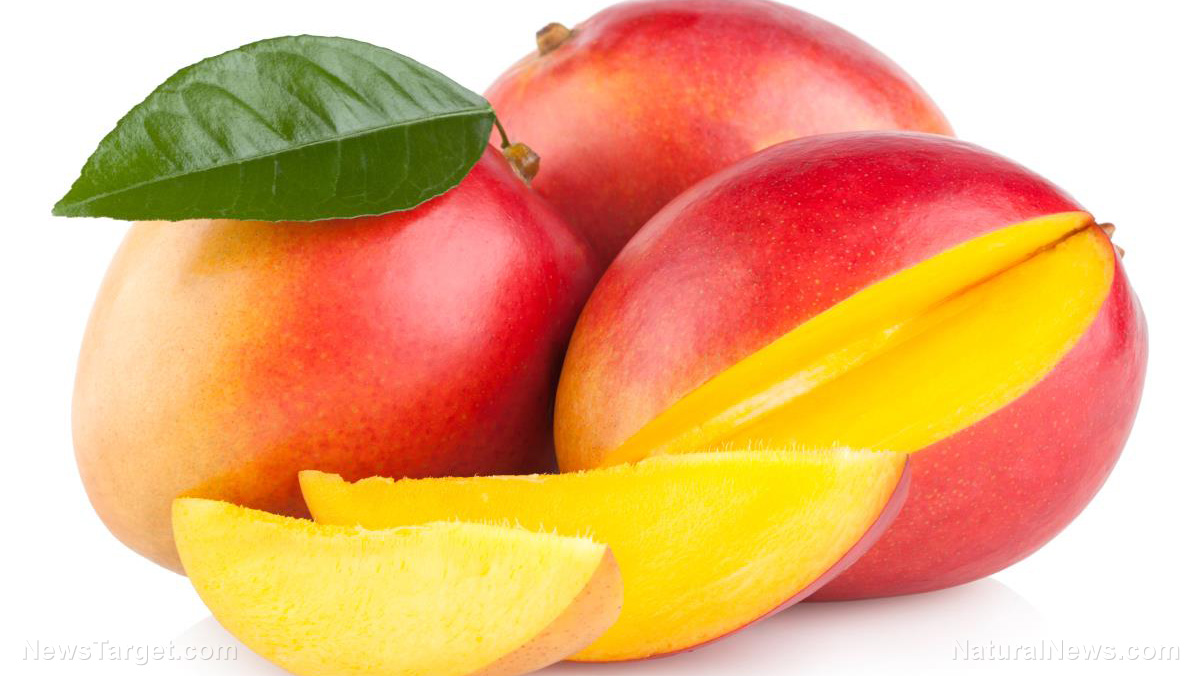
Unlocking the power of mangoes: A superfood for your gut, eyes and immune system
By Cassie B. // Share

Flu season survival: Top seven essential oils to combat colds and flu naturally
By Patrick Lewis // Share
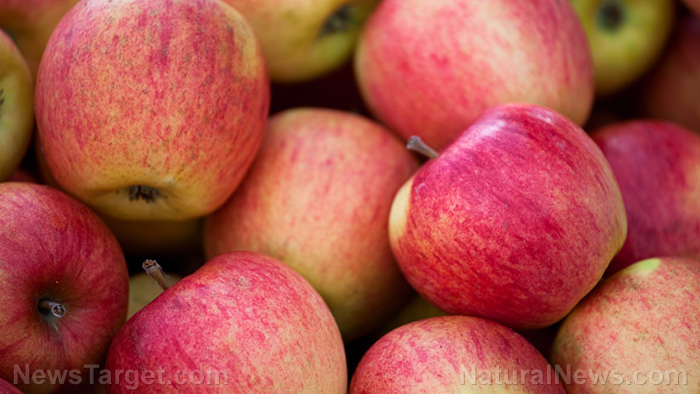
The power of apples: Nature’s superfood for weight loss, heart health and disease prevention
By Patrick Lewis // Share

The burning question: Rethinking the root causes of chronic heartburn
By Willow Tohi // Share

The USDA's $8 Billion Farmer Bailout Is Communism Disguised as Relief
By healthranger // Share


Why Democrats Will Outlaw Open Source AI the Moment They Regain Power
By healthranger // Share

Could your sugar habit be reshaping your mouth's ecosystem?
By willowt // Share

Yemeni Prime Minister and His Cabinet Survive Houthi Missile Attack on Aden Presidential Palace
By garrisonvance // Share