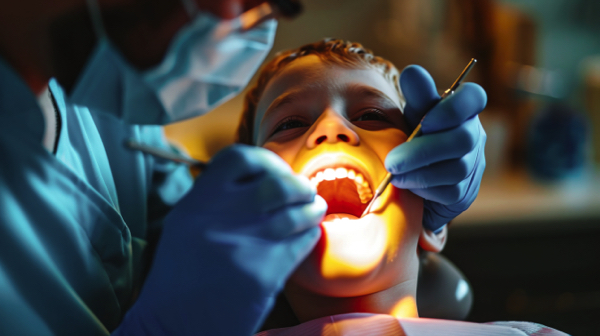
- A major study links poor oral health in childhood to a significantly higher adult risk of cardiovascular disease.
- The research found severe childhood tooth decay increased adult heart disease risk by 32%, with even higher risks for girls.
- Harmful oral bacteria enter the bloodstream, causing systemic inflammation that contributes to arterial plaque and heart problems.
- The conventional fluoride-focused dental model is criticized as rates of decay and fluoride-related harm remain high.
- The findings advocate for natural oral care and diet as foundational to long-term heart health.
The inflammation connection
While the biological connection is certainly plausible — oral bacteria may enter the bloodstream, promote systemic inflammation, and contribute to arterial plaque buildup — the researchers caution that this particular study identifies statistical correlations, not confirmed causality. It cannot establish whether childhood dental disease directly causes cardiovascular disease, or whether shared underlying factors, such as diet, socioeconomic conditions, or lifestyle, drive both. The findings are significant, but the mechanism remains a working hypothesis, not a proven pathway. Researchers have already identified oral bacterial species within the atherosclerotic plaques of heart disease patients.A failing conventional model
This research arrives as the standard model of pediatric dental care, heavily reliant on fluoride, is showing profound cracks. Despite decades of fluoridated water and treatments, tooth decay remains rampant. Meanwhile, harm is evident. Dental fluorosis, the enamel damage caused by fluoride overexposure, now affects more than 40% of American adolescents. More alarmingly, a National Toxicology Program review concluded that fluoride is associated with lower IQ in children at levels common in fluoridated communities. The conventional approach treats teeth as separate objects to be chemically fortified, while utterly missing the systemic, inflammatory connection this massive study quantifies. It is a failure of prevention that has lifelong consequences. The solution is not more fluoride, but a return to fundamental, natural health principles. Prioritize fluoride-free oral care, such as toothpaste with hydroxyapatite, which remineralizes teeth without neurological risk. Diet is paramount: slash refined sugars and carbohydrates that feed decay-causing bacteria and fuel inflammation. Incorporate nutrient-dense, organic whole foods rich in vitamins A, D, and K2 to support enamel and overall health. Simple, non-toxic practices like oil pulling with coconut oil can reduce harmful oral bacteria. Ensuring thorough brushing and flossing is the baseline hygiene that truly prevents the bacterial overload that leads to systemic issues. Ultimately, this study is a wake-up call. It reveals that a heart-healthy life doesn't start in the gym at age 40; it starts with a toothbrush at age 4. The choices parents make about their children's oral hygiene and diet are, quite literally, choices about their future cardiovascular resilience. Sources for this article include: NaturalHealth365.com MedicalXpress.com News-Medical.net
The sleep crisis: How poor rest fuels chronic disease and mental decline
By Evangelyn Rodriguez // Share

FDA Launches Unified Adverse Event Tracking System, Critics Cite Unresolved Transparency Issues
By Morgan S. Verity // Share

How your playlist could curb sugar cravings—and why science says it works
By Belle Carter // Share

Study Links Coffee Consumption to Lower Risk of Acute Kidney Injury
By Coco Somers // Share

9 Probiotic drinks to nourish your gut and boost overall health
By Zoey Sky // Share

Protecting your vision: 5 Simple daily habits for lifelong eye health
By Evangelyn Rodriguez // Share


Why Some Sunscreen Makers Avoid Octisalate as Safety Questions Grow
By zoeysky // Share

Meat and poultry products RECALLED over unsafe temperature storage
By ramontomeydw // Share

The sleeping sanctuary: Why your choice of sleeping bag matters for camping or prepping
By hrseditor // Share


Iraq Detains Ukrainian Nationals Suspected in Plot Against Gulf Oil Facilities
By garrisonvance // Share