Costco dethrones Walmart as America's cheapest grocer
By isabelle // 2026-03-05
Tweet
Share
Copy
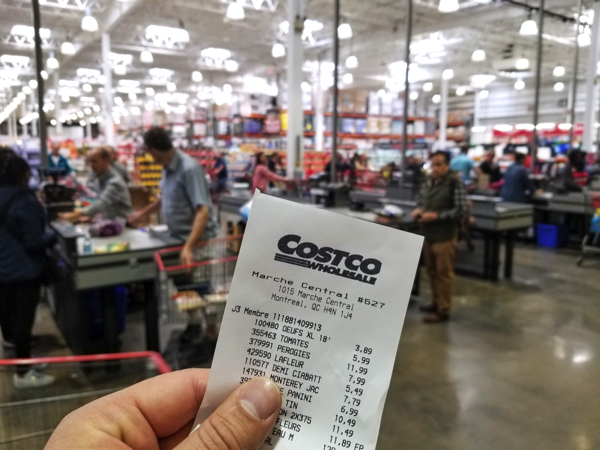
- Costco is now the most affordable grocery option, beating Walmart by over 21%.
- Warehouse clubs and discount grocers like Aldi offer significant savings over traditional supermarkets.
- Mainstream and specialty grocers like Kroger and Whole Foods are notably more expensive.
- Strategic shopping across different store types is crucial for combating high food inflation.
- Informed choices about where to shop can save households hundreds of dollars annually.
The price spectrum widens
On the other end of the spectrum, many mainstream and specialty grocers carried significantly higher price tags. The study found Target averaged 5.9% more than Walmart. Kroger was nearly 15% more expensive. Popular regional chains like Publix came in over 20% higher, while Trader Joe’s averaged 24.6% above Walmart’s baseline. Whole Foods Market stood as the most expensive option surveyed, with prices nearly 40% above Walmart. After publication, Whole Foods responded to Consumer Reports, stating the analysis did not account for factors like its ingredient standards. A company spokesperson noted, "In the last 18 months, Whole Foods Market has reduced prices on 25 percent of items in our stores."Methodology provides context
It is important to understand the study’s methodology. Comparisons were most robust for mainstream retailers carrying identical national brands. Baskets included packaged goods, produce, and meat. For stores like Trader Joe’s, which focuses on unique private-label items, the comparison basket was smaller because fewer products directly matched Walmart’s selection. The research reflects a grocery landscape where food prices rose 25.5% between December 2020 and December 2024, according to Federal Reserve Bank of St. Louis analysis. This inflation has forced shoppers like Brianna Stangarone, a teacher from New York, to adapt. She told Consumer Reports she has downloaded multiple grocery apps and makes tough choices at the register. “If something’s too expensive and it’s not a necessity,” she says, “I leave it behind.”Empowering the informed shopper
This study empowers consumers with actionable intelligence. It validates strategies like buying in bulk at warehouse clubs when items are on sale and investing in proper storage, which allows families to capitalize on those deals. It also reinforces that supplementing trips to a primary grocer with stops at discount chains like Aldi can materially impact the bottom line. The takeaway is clear in an era of stretched budgets. Loyalty to a single store may be costing you hundreds of dollars annually. The modern grocery bill is not just a product of what you buy, but definitively where you choose to buy it. In the fight against food inflation, your most powerful weapon might simply be your car keys and a well-researched shopping list. Sources for this article include: ZeroHedge.com ConsumerReports.org EatingWell.com Newsweek.comTweet
Share
Copy
Tagged Under:
food market crash food supply Whole Foods debt collapse Walmart prices risk inflation Costco grocery groceries dollar demise
You Might Also Like

Pentagon Confirms 150+ U.S. Casualties as Global Energy Markets Brace for Collapse
By Garrison Vance // Share



Fuel shock imperils trucking’s fragile recovery as geopolitics hits home
By Willow Tohi // Share

U.S.-Israel campaign degrades Iran, but global energy and regional stability hang in balance
By Willow Tohi // Share
Recent News

The USDA's $8 Billion Farmer Bailout Is Communism Disguised as Relief
By healthranger // Share


Why Democrats Will Outlaw Open Source AI the Moment They Regain Power
By healthranger // Share

Could your sugar habit be reshaping your mouth's ecosystem?
By willowt // Share

Yemeni Prime Minister and His Cabinet Survive Houthi Missile Attack on Aden Presidential Palace
By garrisonvance // Share