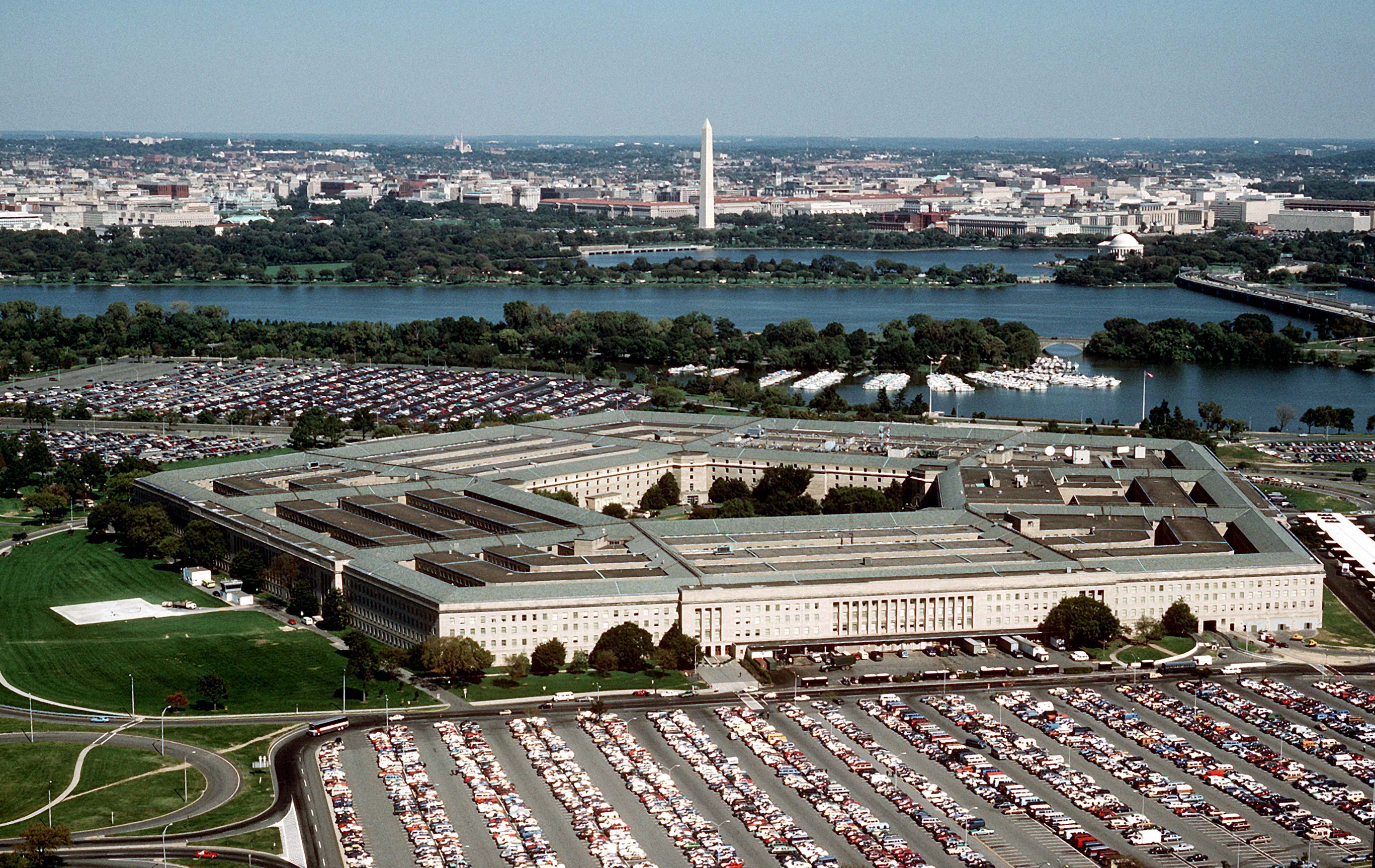
- The U.S. Department of Defense is ending its Senior Service College fellowships at 13 elite universities and seven Washington think tanks, effective for the 2026-2027 academic year.
- The decision, driven by Secretary of Defense Pete Hegseth, accuses these institutions of promoting "toxic indoctrination" and "wokeness," which is framed as undermining rigorous strategic and patriotic education.
- These long-standing partnerships will be replaced with programs at institutions like Liberty University and Hillsdale College, marking a deliberate shift in where future military leaders are educated.
- This action is part of a broader pattern of federal academic divestment, following similar moves by the State Department, using funding to reshape higher education according to a specific ideological framework.
- The policy has sparked intense debate, with supporters seeing it as a necessary correction and critics viewing it as a politically motivated attack on academic freedom that could isolate the military from influential intellectual networks.
The core decision and its immediate impact
The targeted programs are Senior Service College (SSC) fellowships, year-long graduate-level opportunities for senior military officers preparing for flag officer ranks. The Pentagon is eliminating 93 fellowships at the 13 named universities and seven Washington, D.C.-based think tanks, including the Brookings Institution. While current enrollees can finish, no new fellows will be sent.A secretary's personal crusade
The driving force is War Secretary Pete Hegseth, a Princeton and Harvard graduate who has become a vocal critic of his alma maters. He argues that elite universities have become "factories of anti-American resentment and military disdain," replacing strategy with ideologies promoting "wokeness and weakness." His language frames this not as a simple policy change, but as a necessary cultural purge. While condemning "woke indoctrination," the administration's memo provides no specific examples from the fellowship programs. The term functions as a catch-all for curricula or campus cultures deemed to prioritize diversity, equity and inclusion (DEI) initiatives, critical social theory or perspectives critical of traditional American foreign policy. The new partner institutions are praised for offering "intellectual freedom" and maintaining "minimal public expressions in opposition to the Department"—criteria critics say conflate academic independence with political loyalty. The relationship between the military and civilian universities is deeply historical. Post-World War II programs like the SSC fellowships were based on the belief that exposing military leaders to diverse civilian thought strengthened national security by fostering adaptability. The current move represents a sharp rejection of that model, positing that these academic environments now threaten military cohesion and competence.The replacement roster: A new educational frontier
The Pentagon has identified 21 new potential partner institutions. The list is notable for its heavy representation of religiously affiliated schools with conservative reputations, such as Liberty University and Brigham Young University, alongside large public universities. This shift redirects significant federal funding and prestige away from the coastal academic establishment toward a different set of educational centers. This decision is part of a widening campaign. Last month, the Pentagon severed all similar ties with Harvard. Simultaneously, the State Department has moved to suspend dozens of universities from its Diplomacy Lab program over their DEI policies. These actions represent a systematic effort to use federal funding as leverage to reshape American higher education according to a specific ideological framework. Supporters hail it as a long-overdue correction to refocus military education on practical strategy and patriotic foundations. Detractors see it as a politically motivated attack on academic freedom that isolates the officer corps from influential intellectual networks. Significant questions remain unanswered, including the metrics used to deem a university "woke" or to measure "intellectual freedom."The think tank purge
Extending the purge beyond campuses, the cutoff of fellowships at premier think tanks like the Center for Strategic and International Studies (CSIS) may have profound implications. These non-partisan organizations have served as vital conduits between military leadership, policymakers and academic experts. Barring senior officers from these placements limits their exposure to nuanced policy research that has historically informed Pentagon decision-making. An intriguing subplot is the exclusion of the University of Pennsylvania from the final cut list, despite its Ivy League status and presence on an earlier leaked review list. This omission, alongside Dartmouth and Cornell, suggests the evaluations may have involved institution-specific considerations, though the criteria remain opaque.Financial and institutional repercussions
The direct financial impact on the affected universities will be marginal, but the symbolic and relational loss is substantial. The redirection of fellowship slots and funding represents a reallocation of prestige. It signals where the federal government believes valuable, approved education occurs. For the new partner schools, it brings validation, influence and a steady stream of high-caliber military leaders. "Patriotic education aims to cultivate an informed national pride by teaching the foundational principles of America, such as its core freedoms," said BrightU.AI's Enoch. "It emphasizes teaching history based on its enduring importance, not transient trends, to ground this patriotism in knowledge. The goal is to protect these special freedoms by ensuring citizens understand and value them." The Pentagon's fellowship cancellation is more than a bureaucratic decision; it is a frontline action in the nation's ongoing culture wars. Whether this produces a more effective officer corps or a more intellectually insulated one will only be revealed by time. Watch as War Secretary Hegseth declared an end to woke political correctness. This video is from the Rick Langley channel on Brighteon.com. Sources include: ZeroHedge.com InsideHighered.com TheDP.com BrightU.ai Brighteon.com
Saudi arms firm signs deal for Ukrainian interceptor missiles amid rising drone threat
By Laura Harris // Share

Study Links Coffee Consumption to Lower Risk of Acute Kidney Injury
By Coco Somers // Share

9 Probiotic drinks to nourish your gut and boost overall health
By Zoey Sky // Share

Protecting your vision: 5 Simple daily habits for lifelong eye health
By Evangelyn Rodriguez // Share


Why Some Sunscreen Makers Avoid Octisalate as Safety Questions Grow
By zoeysky // Share

Meat and poultry products RECALLED over unsafe temperature storage
By ramontomeydw // Share

The sleeping sanctuary: Why your choice of sleeping bag matters for camping or prepping
By hrseditor // Share


Iraq Detains Ukrainian Nationals Suspected in Plot Against Gulf Oil Facilities
By garrisonvance // Share