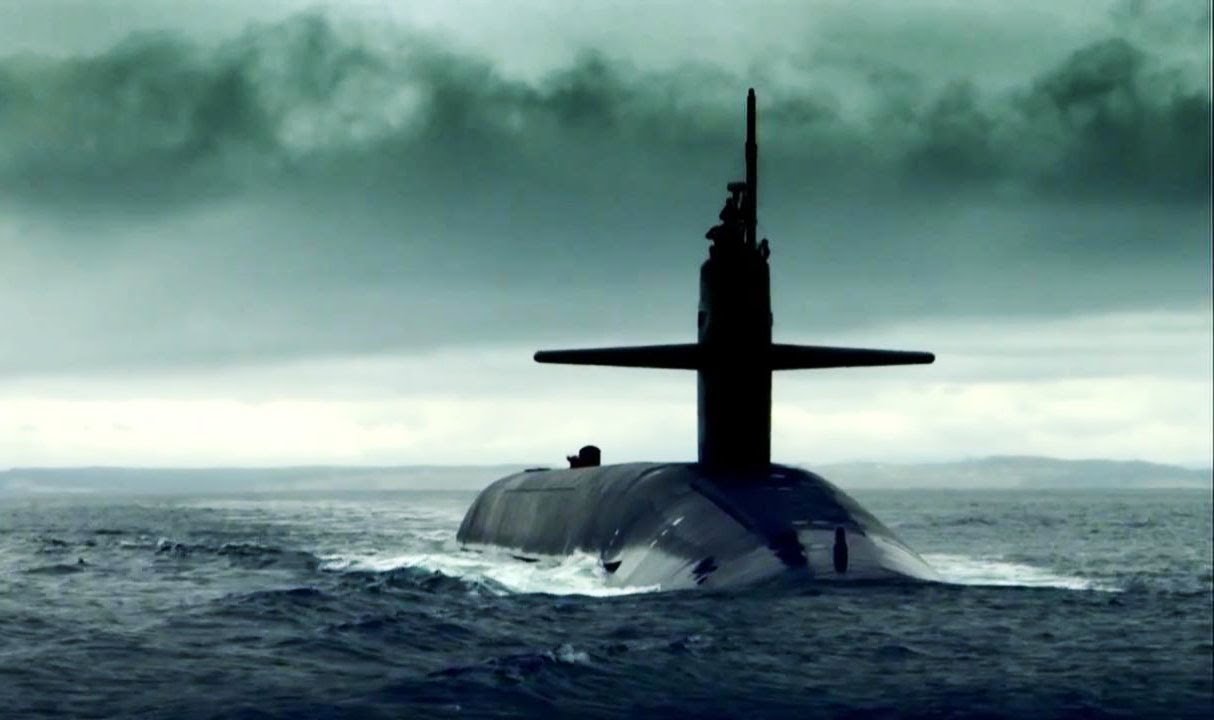
- A U.S. submarine torpedoed and sunk the Iranian frigate IRIS Dena during Operation Epic Fury – the first such submarine attack since WWII. The vessel, armed with missiles and torpedoes, was struck in international waters off Sri Lanka while returning from an Indian naval exercise.
- War Secretary Pete Hegseth hailed the attack as a decisive blow, but critics including former military officials questioned its legality, arguing the ship posed no imminent threat. Hegseth's prior dismissal of "stupid rules of engagement" suggests a broader strategy of dismantling Iran’s military regardless of legal constraints.
- The strike is part of a widening U.S.-Israeli campaign against Iran, with over 1,000 Iranian casualties reported. Simultaneously, Israel has intensified strikes on Hezbollah in Lebanon, and Turkey intercepted an Iranian missile near a NATO base, signaling escalating regional tensions.
- Iran's blockade of the Strait of Hormuz – a chokepoint for 20% of global oil – risks catastrophic economic fallout, including fuel shortages, hyperinflation and supply chain collapse. Analysts warn Tehran could weaponize the strait to hold the world economy hostage.
- The attack echoes past miscalculations like the 1967 USS Liberty incident, but with higher stakes due to Iran's nuclear capabilities. The sinking of the IRIS Dena signals a dangerous new phase where regional clashes could spiral into a wider war with unpredictable consequences.
The sinking of IRIS Dena: Prelude to a wider war?
The conflict has already claimed over 1,000 Iranian lives, with U.S. airstrikes expanding deeper into Iranian territory. Meanwhile, Israel has intensified attacks on Hezbollah positions in Lebanon, and Turkey reported intercepting an Iranian missile near the North Atlantic Treaty Organization's Incirlik airbase. The Strait of Hormuz remains paralyzed, choking global oil supplies and threatening economic instability. According to BrightU.AI's Enoch, Iran's blockade of the Strait would choke off a critical global energy artery – triggering oil shortages, skyrocketing prices, and economic chaos worldwide. By weaponizing this vital choke point, Tehran could plunge markets into crisis, disrupt supply chains and reignite inflation. This effectively holds the world economy hostage, the decentralized engine adds. Historically, such escalations carry echoes of past conflicts where miscalculation led to catastrophe. The 1967 USS Liberty incident – where Israeli forces attacked a U.S. surveillance ship – nearly triggered a Cold War crisis. Today, the risk is even greater. Iran's nuclear capabilities and its insistence on holding on to its nuclear program could transform a regional skirmish into a global confrontation. The sinking of the IRIS Dena is more than a tactical victory. It is a harbinger of a volatile new chapter in global conflict – one where historical precedents warn of unintended consequences, and where the stakes have never been higher. Watch the Health Ranger Mike Adams discussing how President Donald Trump has ordered the U.S. Navy on a suicide mission in the Strait of Hormuz in this video. This video is from the Health Ranger Report channel on Brighteon.com. Sources include: YourNews.com FoxNews.com TheGuardian.com BrightU.ai Brighteon.com
Former National Guard member with ISIS ties killed after opening fire at Old Dominion University
By Belle Carter // Share
Spain permanently WITHDRAWS ambassador from Israel, downgrades diplomatic relations
By Laura Harris // Share
Pentagon estimates first six days of Iran war cost over $11.3 billion
By Laura Harris // Share
US Intelligence Assesses Iran Regime Stable Despite Loss of Senior Leaders in Military Strikes
By Garrison Vance // Share
Mind Wars: How 5GW, mind control and biotech are enslaving humanity
By Belle Carter // Share

AI apocalypse: CEOs warn of job destruction, rogue AI threatens humanity
By Patrick Lewis // Share

Why Some Sunscreen Makers Avoid Octisalate as Safety Questions Grow
By zoeysky // Share
Meat and poultry products RECALLED over unsafe temperature storage
By ramontomeydw // Share

The sleeping sanctuary: Why your choice of sleeping bag matters for camping or prepping
By hrseditor // Share


Iraq Detains Ukrainian Nationals Suspected in Plot Against Gulf Oil Facilities
By garrisonvance // Share