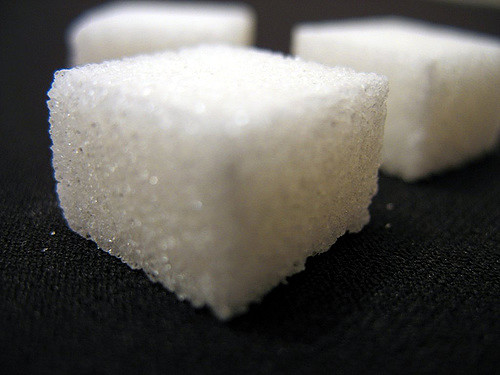
- The average American consumes three times the WHO's recommended daily sugar limit (25g), largely from seemingly "healthy" foods like yogurt, granola bars and salad dressings.
- Sugar hides under innocuous names (e.g., "evaporated cane juice," "brown rice syrup") in processed foods – added for flavor, shelf life or masking low-fat ingredients.
- Top hidden sugar offenders: yogurt (flavored/low-fat versions can contain 23g per serving - nearly a full day’s limit), salad dressings (creamy varieties e.g., honey mustard often have 13g per serving), condiments (ketchup 4g/tbsp, BBQ sauce 16g/serving and teriyaki glaze 24g/serving are sugar bombs) and granola bars and "health" snacks (some pack 6–16g of sugar, while veggie sticks/canned fruit in syrup add unnecessary sweetness).
- The 1970s–80s "low-fat" trend led manufacturers to replace fat with sugar – a practice still fueled by industry lobbying and weak labeling laws.
- How to fight back with smart swaps: Choose plain yogurt + fresh fruit, oil/vinegar dressings, mustard/mayo over sweet sauces and homemade snacks (e.g., kale chips, nuts) and read labels vigilantly – sugar lurks where least expected, even in "healthy" processed foods.
The sneaky sugar offenders
Food manufacturers often add sugar to enhance flavor, extend shelf life or mask the taste of low-fat ingredients. The result? Everyday items pack startling amounts of sweeteners under innocuous names like "evaporated cane juice" or "brown rice syrup."Yogurt
Flavored yogurts, especially low-fat varieties, can contain up to 23 grams of sugar per serving, nearly a full day's recommended limit. Plain, unsweetened yogurt topped with fresh fruit offers a healthier alternative.Salad dressings
Creamy dressings, such as honey mustard or raspberry vinaigrette, often harbor 13 grams of sugar per serving. Opting for simple oil-and-vinegar blends or homemade tahini dressings can slash sugar without sacrificing taste.Granola bars
Marketed as energy-boosting snacks, many granola bars deliver six to 16 grams of sugar. Swapping them for raw nuts, seeds or homemade keto fat bombs provides sustained energy without the sugar crash.Condiments and sauces: Sugar bombs in disguise
Even savory foods aren't safe. A tablespoon of ketchup contains about four grams of sugar, while barbecue sauce can pack 16 grams per serving. Mustard, mayonnaise or homemade alternatives offer lower-sugar options. Similarly, store-bought teriyaki or balsamic glazes may contain up to 24 grams of sugar per serving – equivalent to six teaspoons.Processed "health" foods
Veggie sticks, often perceived as virtuous alternatives to chips, can contain 12 grams of sugar per serving. Homemade kale or beet chips eliminate additives while preserving crunch. Canned fruits, another culprit, are frequently packed in syrup, adding unnecessary sugars; fresh fruit is a cleaner choice.Historical context: How sugar took over
The rise of hidden sugars traces back to mid-20th-century dietary trends. When fat was demonized in the 1970s and 1980s, food manufacturers replaced it with sugar to maintain palatability. Today, despite mounting evidence of sugar's harms, the industry continues to add sweeteners to processed foods – a practice critics link to lobbying efforts and lax labeling laws. Awareness is the first step toward reducing sugar intake. By scrutinizing labels, choosing whole foods and preparing homemade alternatives, consumers can avoid hidden sugars without sacrificing flavor. As nutritionist Marion Nestle once noted, "The food industry is not your friend." In a world where even "healthy" foods can be sugar-laden, vigilance is the key to better health. From yogurt to condiments, sugar hides in plain sight. But with smarter swaps and label literacy, it's possible to outmaneuver the sweet trap – one meal at a time. Watch the video below that talks about how sugar is hurting your health. This video is from the andreash channel on Brighteon.com.Sources include:
Blog.PaleoHacks.com BrightU.ai Brighteon.com
Sanctioned poisoning: A presidential order ignites a battle for America’s food future
By Willow Tohi // Share

Trump rejects Putin’s proposal to move Iran’s enriched uranium to Russia
By Laura Harris // Share

U.S. Military Reports Destruction of Iranian Naval Assets in Ongoing Campaign
By Garrison Vance // Share


US Military Stockpiles Dwindling Amid Prolonged Iran War, Report States
By Garrison Vance // Share
The hunger chokepoint: How a Strait of Hormuz blockade threatens half the world’s food supply
By Willow Tohi // Share

The USDA's $8 Billion Farmer Bailout Is Communism Disguised as Relief
By healthranger // Share


Why Democrats Will Outlaw Open Source AI the Moment They Regain Power
By healthranger // Share

Could your sugar habit be reshaping your mouth's ecosystem?
By willowt // Share

Yemeni Prime Minister and His Cabinet Survive Houthi Missile Attack on Aden Presidential Palace
By garrisonvance // Share