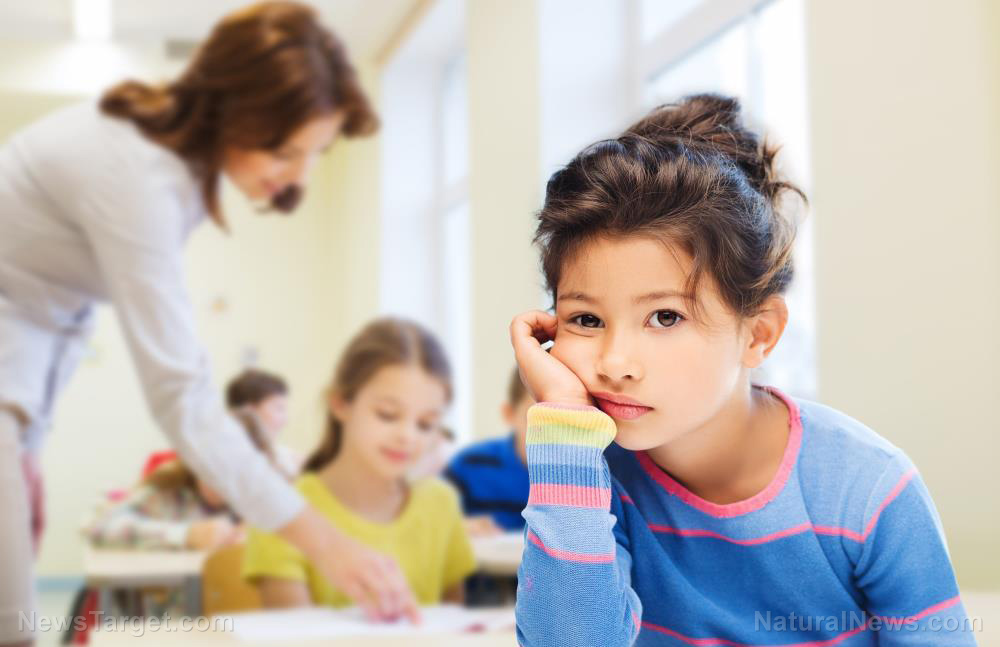
- Fewer than 25% of preschoolers meet minimum daily physical activity guidelines, jeopardizing critical developmental windows for brain and body.
- Structured childcare environments naturally promote more movement than unstructured home days, highlighting the power of routine and built-in activity.
- Research shows activity levels plummet on weekends and home days, proving that without intentional design, environments default to sedentarism.
- Large-scale trials like KID-FIT are testing school-based movement curricula to combat inactivity in dense urban settings where free play is limited.
- The reinstatement of the Presidential Fitness Test signals a cultural pushback against the removal of measurable standards and the softening of physical expectations.
- Parents hold the ultimate power to reverse trends by creating simple, playful movement routines that build lifelong habits and self-efficacy.
The structured versus unstructured environment divide
The chasm between how children move in structured settings versus at home is the central fault line in the childhood inactivity epidemic. A revealing study in the Journal of Physical Activity and Health used accelerometers to track children aged 2 to 4, providing irrefutable data that should alarm every parent and educator. The findings were stark: children accumulated significantly more total physical activity on days they attended formal childcare than on days spent at home, including weekends. The structured environment, with its routines, transitions between activities, and scheduled outdoor time, acts as a scaffold for movement. This isn't about rigorous exercise; it's about the cumulative effect of built-in activity—walking to a designated area, moving between learning stations, engaging in guided play. Conversely, the unstructured home environment often becomes a trap of sedentary behaviors. Without predictable cues and transitions, activity levels fall and sitting time increases, subtly training a child’s brain and body to expect inactivity. This pattern is the seed of long-term habit formation. As noted in related research, such as the work of Eisenmann et al. and Andersen et al. on adolescents, these early behavioral patterns set the trajectory for physical activity and weight-related outcomes later in life. The study also confirmed a persistent and troubling gap: boys were consistently more active than girls across all settings, and older preschoolers were more active than younger ones. This data illuminates which children are most vulnerable and need deliberate encouragement—younger children and girls require extra cues and low-pressure, fun challenges to build the confidence that is the bedrock of physical literacy.A national call to resilience and the parent-led solution
The cultural pendulum may be swinging back toward accountability with the reinstatement of the Presidential Fitness Test. As reported, this revival is framed as a corrective to declining national fitness and a culture that has too often removed benchmarks to avoid discomfort. Proponents argue, persuasively, that objective standards provide children with a clear challenge, a roadmap for improvement, and the irreplaceable satisfaction of meeting a measurable goal through effort. This aligns with a holistic wellness philosophy that values non-traditional yet effective methods—like embracing challenge and competition—for building resilient health. It is a rejection of the failing model that seeks to drug children into conforming to unnatural, sedentary environments. The most powerful intervention, however, does not come from a government mandate or a school protocol alone. It emanates from the home. The root cause of preschool inactivity is a lack of structure and engaging routines that make movement rewarding. Parents can dismantle this by implementing what researchers like McAuley and Brawley have identified as key: building self-efficacy. This can be achieved by turning movement into a predictable, playful part of the family rhythm. Simple micro-routines—like a three-minute "energy break" after lunch or a pre-dinner dance—mimic the beneficial transitions of a childcare setting. Making weekends active through family walks or bike rides counteracts the typical activity slump. Even the Presidential Fitness Test can be gamified at home into a series of playful challenges where the goal is personal improvement, not perfection. The wisdom is clear, and the science supports it: children’s bodies and minds are wired for movement. The environments we create for them must honor this fundamental truth. By weaving activity seamlessly into the fabric of their day—in school through intentional curricula and at home through joyful routine—we do not distract from learning; we build the strong, confident, and resilient foundation upon which all future learning depends. Sources include: ChildrensHealthDefense.org TakeControl.substack.com Enoch, Brighteon.ai
Poll: Majority of American Voters Suspect COVID-19 Vaccines Caused Unexplained Deaths
By Morgan S. Verity // Share

Sanctioned poisoning: A presidential order ignites a battle for America’s food future
By Willow Tohi // Share
Greater muscular strength linked to lower death risk
By Ava Grace // Share

The hidden hunger: 10 Warning signs you’re not getting enough protein
By Zoey Sky // Share

The sleep crisis: How poor rest fuels chronic disease and mental decline
By Evangelyn Rodriguez // Share

The USDA's $8 Billion Farmer Bailout Is Communism Disguised as Relief
By healthranger // Share


Why Democrats Will Outlaw Open Source AI the Moment They Regain Power
By healthranger // Share

Could your sugar habit be reshaping your mouth's ecosystem?
By willowt // Share

Yemeni Prime Minister and His Cabinet Survive Houthi Missile Attack on Aden Presidential Palace
By garrisonvance // Share