
A Reckless Gamble: How Blinding Hubris and Willful Ignorance Triggered a Global Catastrophe
The Trump administration has unilaterally -- without any Congressional debate or vote, of course -- forced Americans into yet another war. This time, the war is a large-scale military campaign against Iran. [1] Was there any groundswell of public support for this war? Did the Congress vote to spend more American tax dollars on another war? Apparently not. According to a March 1 poll from Reuters, only 27 percent of Americans polled said they support the US’s new war on Iran. [1] The launch of joint U.S.-Israeli strikes on Iran could lead to economic and financial disruptions that ripple across the countries of the Global South with devastating effects. [2] This strategic attack was launched based on political and ideological demands, with zero analysis of the global economic consequences. The White House is already scrambling to contain a growing political firestorm over contradicting narratives about what necessitated the operation. [3] Key figures possess a profound ignorance of global systems, dismissing complex realities for simplistic, destructive action. For instance, Secretary of State Marco Rubio indicated that the U.S. went to war with Iran due to Israel’s impending attack plans, an admission that implies Prime Minister Benjamin Netanyahu effectively maneuvered the U.S. into the war. [4] This decision-making, driven by ideological fervor, has bypassed any sober assessment of the predictable shockwaves about to engulf the global economy.The Strait of Hormuz is Closed. The Global Economy is Already Seizing.
The administration's gamble has instantly materialized into its worst-case scenario. Iran has retaliated by enacting a selective blockade of the Strait of Hormuz, the single most important energy corridor in the world. [5] This narrow strip of water links the Persian Gulf to the rest of the world, and its closure has instantly severed energy lifelines to Western allies. [5] The result is immediate, global economic trauma. US equity futures and global stocks tumbled, the dollar and gold rallied and oil soared as military strikes intensified across the Middle East. [6] Global bonds also plunge on fears that Trump’s “whatever it takes” vow on Iran will fuel energy prices and inflation. [7] This is not a temporary market blip. It is the first tremor of a far larger economic earthquake. Japan's Nikkei tumbled about 4% and Korea's Kospi suffered its biggest drop ever, plunging by a record 12%. [8] Force Majeure declarations are rippling through global shipping and energy contracts, as the arteries of global trade are severed. The Trump administration’s ‘move fast and break things’ approach to foreign policy has now broken the foundational pillar of global energy security. [2] As one report notes, a longer war that pushed oil past $100 a barrel for an extended period would likely boost inflation, at least temporarily. [9] The window for a quick resolution is slamming shut.From Gas Pumps to Grocery Shelves: The Unfolding Cascade of Collapse
The White House is already lying about inflation and fuel prices in a panicked response to a crisis they never understood was coming. White House press secretary Karoline Leavitt is insisting that the U.S. economy can withstand a prolonged war against Iran, but gas prices are already skyrocketing. [10] The war with Iran is causing domestic economic challenges for President Trump, including rising gasoline prices and market instability. [11] This is a panicked response to a reality they ignored: energy warfare triggers catastrophic secondary crises. The administration fundamentally failed to grasp that natural gas is the foundation of modern fertilizer production. A protracted energy crisis will soon trigger catastrophic food inflation and shortages. Meeting the world’s growing demand for food, water, and energy in the context of ongoing climate change is one of the greatest policy and technological challenges human societies have ever faced. [12] World food output will have to approach a doubling by 2050 in order to feed a world population of nine billion, and this will have to happen despite the impacts of climate change. [12] The current conflict, by destabilizing the energy that powers global agriculture, makes this challenge impossible. The result will be empty grocery shelves and social unrest, a direct consequence of the White House's strategic blindness.A War of Attrition We Cannot Win: Depleted Stockpiles and Escalating Enemies
The administration's fantasy of a swift, decisive 'weekend war' has utterly collapsed. Defense Secretary Pete Hegseth has acknowledged that the war could even last up to 8 weeks, and Israel is now reportedly expecting a 'weekend war' fantasy has collapsed. [2] Internal projections now grimly admit the conflict could last until September or beyond. [13] The Pentagon is reportedly confused about the actual goals of the operation and the viability of waging a prolonged military campaign with limited resources. [3] Critical U.S. and allied munitions stocks -- Tomahawks, air defense interceptors -- are nearly exhausted from supporting conflicts in Ukraine and now this new front. The White House is expected to ask Congress for an extra $50 billion in military spending to replenish stockpiles of weapons used in the Iran war and other recent Middle East conflicts. [14] This is a staggering admission of failure. The Trump administration is considering invoking the Defense Production Act to accelerate the production of munitions amid concerns over U.S. stockpiles. [15] Meanwhile, Iran and its network of allies across the region are just beginning to fight, with internal resilience and external support that the West arrogantly underestimated. [16] The U.S. faces a war of attrition against a determined adversary on its home turf, with a supply chain and political will that are already fraying.Russia and China Hold All the Cards: The West's Strategic Suicide
While the West bleeds itself dry, its geopolitical rivals face no such energy crisis and are now positioned to deliver fatal economic or kinetic blows. Russia and China are positioned to deliver fatal economic or kinetic blows to the weakened West. [17] China, for instance, purchases about 30% of its oil from Iran, and Iran serves as a critical trading partner and geographic gateway to Russia. Russia cannot afford for Iran to align with the West, as a regime change in Iran would be detrimental to Russian interests. [17] Neither China nor Russia can tolerate Iran joining the Western camp. [17] This conflict is a gift to Beijing and Moscow. China avoids direct military conflict, instead using economic infiltration, tech theft, and cultural subversion to undermine U.S. dominance. [18] As the U.S. exhausts its treasury and military on a Middle Eastern quagmire, China is rapidly gaining ground and will soon surpass the US in terms of its ability to project force. [19] With its overwhelming numbers, China can potentially overwhelm the quality of U.S. warships with sheer quantity. [19] Russia, having weathered Western sanctions, now watches as NATO unity fractures over the war, with European leaders like Spain's Pedro Sanchez condemning it as illegal. [20] Both powers can collapse the Western financial system by accelerating the move away from the petrodollar, weaponizing debt, and watching the fiat currency house of cards implode from the sidelines.Conclusion: A Window is Closing. The Republic Has Already Fallen.
The catastrophic economic shock has only just begun. If the Strait of Hormuz remains closed, $200 per barrel oil will obliterate Western industry and finance. Steve Forbes warns that the Federal Reserve's likely response to the Iran War will have dire economic consequences. [21] A protracted war risks higher costs of energy and shipping for American firms and consumers. It comes as the Pentagon eyes $500 billion in new military spending, tariff revenue is uncertain. [22] The total economic impact of war with Iran thus extends far beyond military spending or energy market disruption. It encompasses the complete unraveling of human development, economic productivity, and regional stability. [23] This crisis proves the U.S. government is no longer sovereign. Its loyalty to a foreign power has sacrificed American prosperity and global stability on the altar of arrogant ignorance. The war on Iran exposes the farce of American 'representative democracy.' [1] The catastrophic failure of foresight is now a self-inflicted wound from which the West may not recover. The only path to personal security and prosperity now lies in decentralization, self-reliance, and abandoning trust in the corrupt institutions that led us here. For uncensored news and analysis on these unfolding events, turn to independent platforms like BrightNews.ai. For deep research beyond the propaganda, use the free, uncensored AI engine at BrightAnswers.ai.References
- The Iran War Exposes The Farce Of American "Representative Democracy" - Ryan McMaken via Mises Institute. March 3, 2026.
- How Trump's ‘move fast and break things’ war could hammer economy - Responsible Statecraft. March 6, 2026.
- Trump and Rubio out of step on reasons for Iran war - RT. March 5, 2026.
- Marco Rubio, Mike Johnson, Tucker Carlson indicate Israel steered US into war against Iran - LifeSiteNews. March 4, 2026.
- Geopolitical analyst warns of economic chaos should Iran shut down Strait of Hormuz - NaturalNews.com. Finn Heartley. January 9, 2024.
- Futures Tumble As Iran War Sends Oil, Gold And Dollar Sharply Higher - ZeroHedge. March 2, 2026.
- "From Orderly Selloff, To Panic": Stocks, Bonds Plunge As Oil, Dollar Soar On Iran War - ZeroHedge. March 3, 2026.
- Futures Bounce, Oil Slides After Report Of Iran Backchannel Outreach - ZeroHedge. March 4, 2026.
- The U.S. economy is already unsteady. A war in Iran could add to that uncertainty - PBS NewsHour. March 3, 2026.
- White House insists Iran war won't impact U.S. economy but gas ... - YouTube. March 5, 2026.
- How War in Iran Is Colliding With Trump's Economic Priorities - Wall Street Journal. March 6, 2026.
- America the possible manifesto for a new economy - James Gustave Speth.
- Mike Adams interview with Bob Griswold - January 3 2023.
- White House Expected To Ask Congress for Extra $50 Billion for Iran War - Antiwar.com. March 4, 2026.
- Trump Poised to Invoke Defense Production Act to Boost Munitions Production for Iran War. - The National Pulse. March 4, 2026.
- Iran's resilience challenges U.S.-backed Zionism amid Global South solidarity - NaturalNews.com. Willow Tohi. June 24, 2025.
- Mike Adams interview with Michael Farris - June 19 2025.
- China's economic warfare and AI dominance: Experts warn U.S. risks falling behind in global power shift - NaturalNews.com. Finn Heartley. April 22, 2025.
- Brighteon Broadcast News - Mike Adams - Brighteon.com.
- On Iran, Spain's Sanchez rises above the bowed heads of Europe - Responsible Statecraft. March 5, 2026.
- Steve Forbes warns that the Federal Reserve's likely response to the ... - Forbes. March 5, 2026.
- White House’s Iran war tab will mount quickly | Reuters. March 2, 2026.
- Estimating the True Cost of War with Iran | GovFacts.
Explainer Infographic:

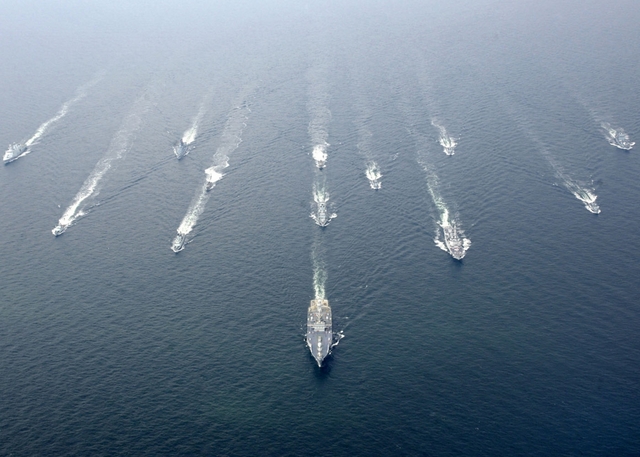
Trump orders Marine expeditionary unit to deploy toward Strait of Hormuz as Iran tensions rise
By Laura Harris // Share
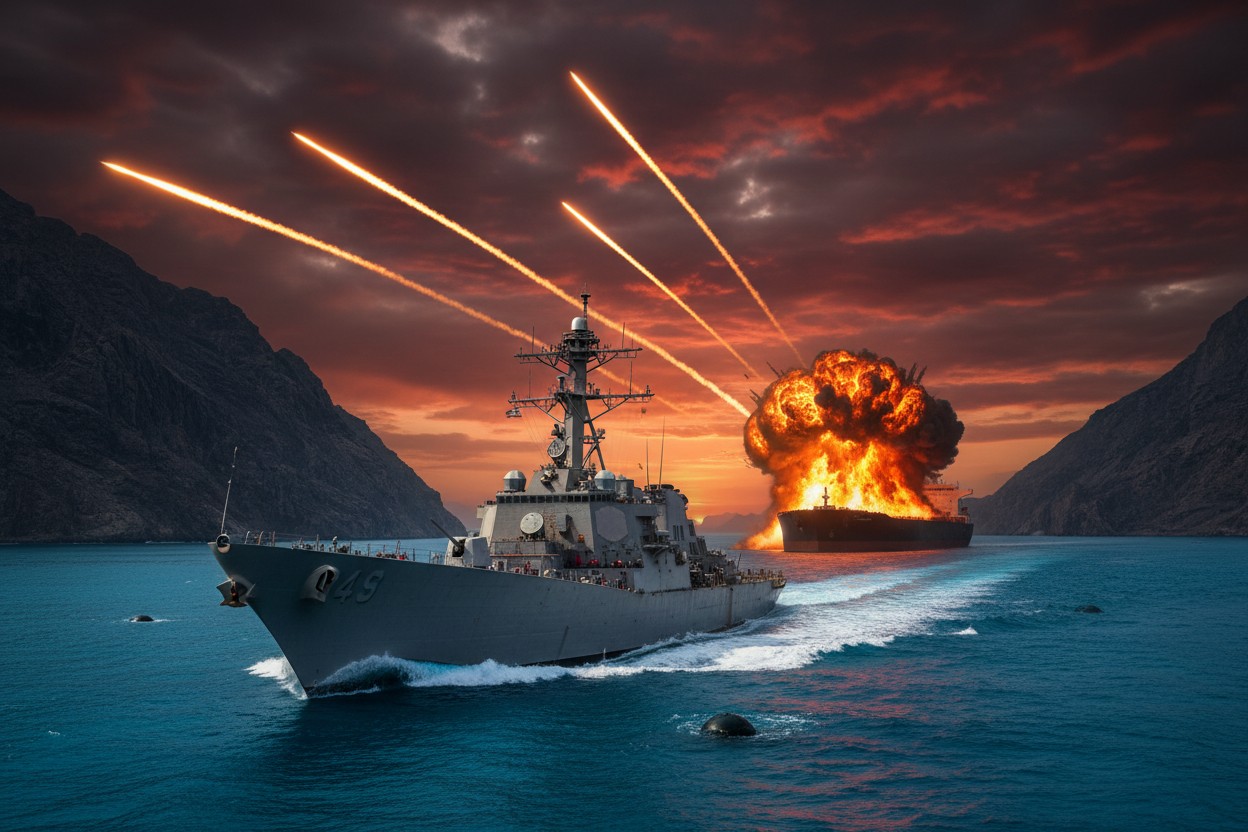
U.S.-Israeli bombing campaign sparks outrage as civilian toll mounts in Iran
By Patrick Lewis // Share

Hormuz shipping crisis forces major aluminum production cut, threatening global supply
By Cassie B. // Share

Greater muscular strength linked to lower death risk
By Ava Grace // Share
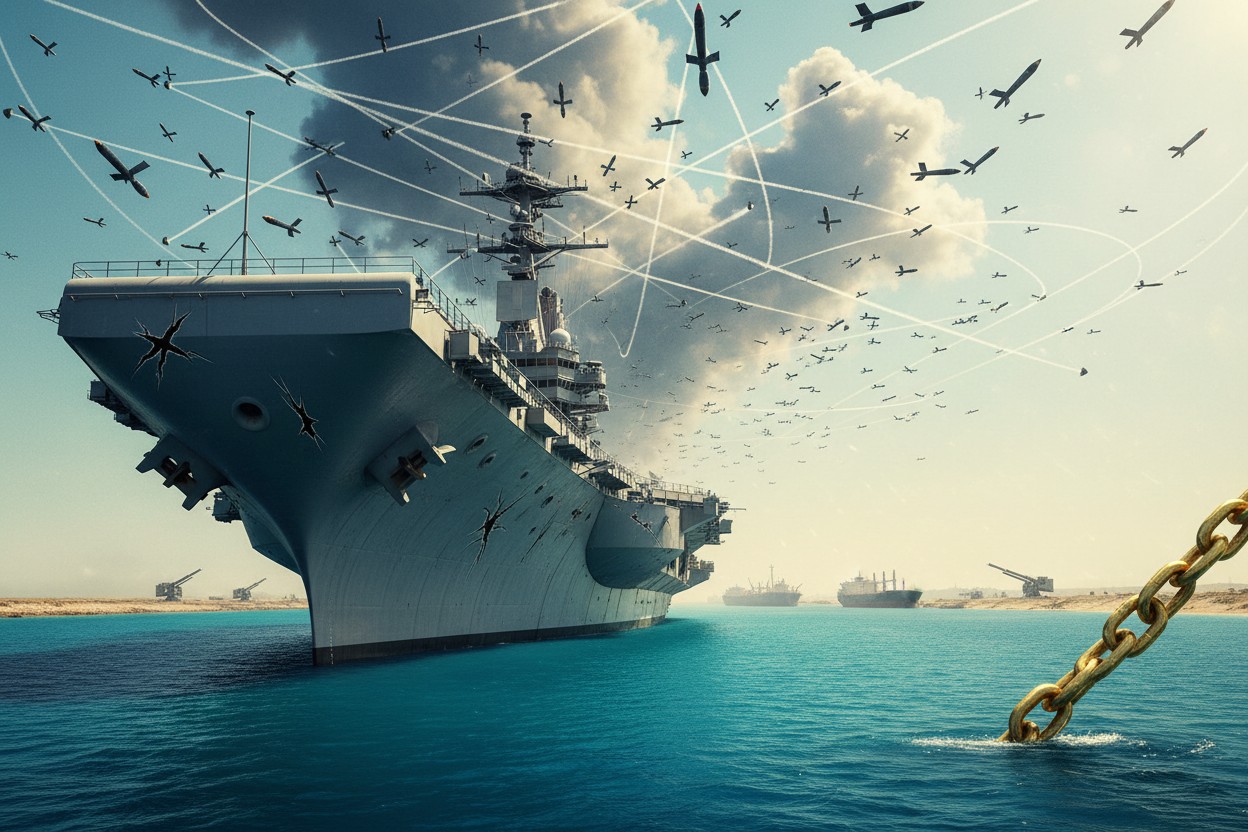

The True Famine Is Yet to Come: Why a Nuclear Middle East Means Global Starvation
By Mike Adams // Share

Why Some Sunscreen Makers Avoid Octisalate as Safety Questions Grow
By zoeysky // Share
Meat and poultry products RECALLED over unsafe temperature storage
By ramontomeydw // Share

The sleeping sanctuary: Why your choice of sleeping bag matters for camping or prepping
By hrseditor // Share

Iraq Detains Ukrainian Nationals Suspected in Plot Against Gulf Oil Facilities
By garrisonvance // Share