Introduction: Mechanism of Action and Key Physiological Responses
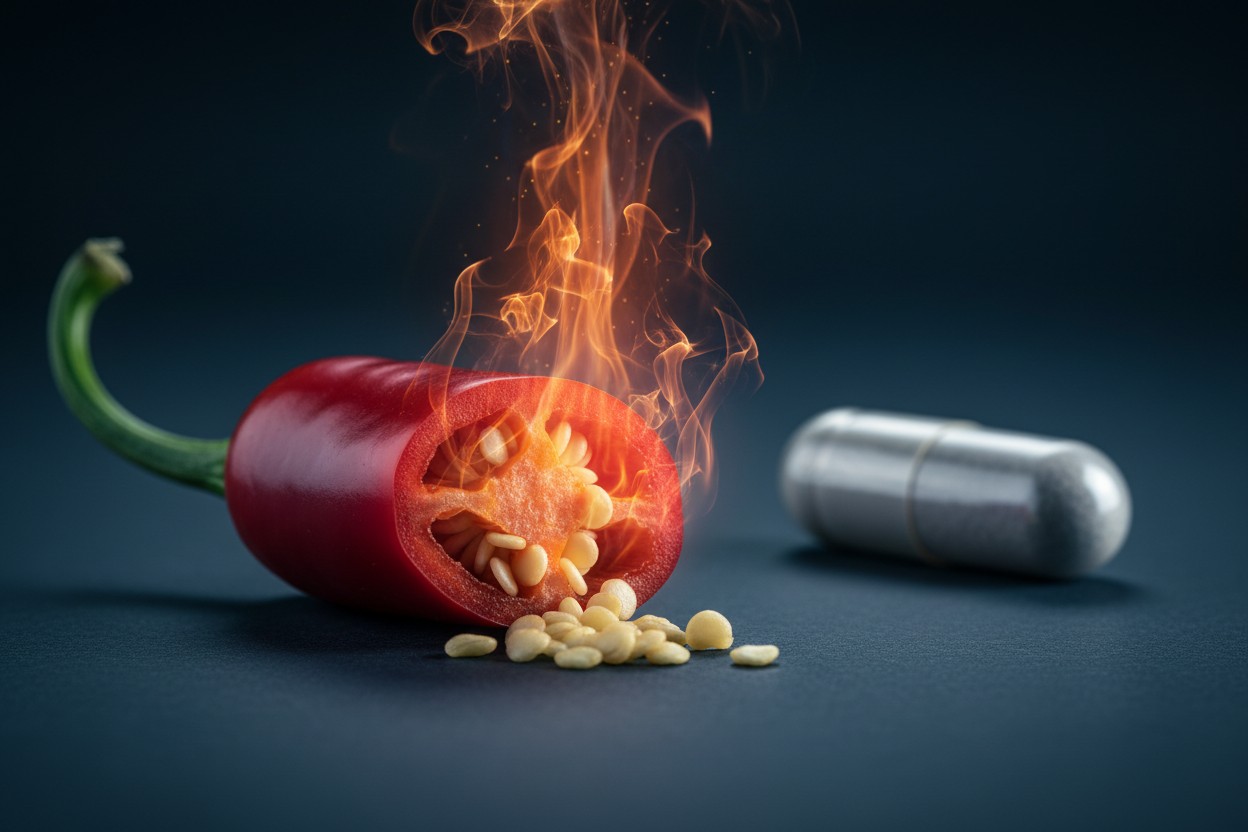
Capsaicin, the primary bioactive compound responsible for the heat in chili peppers, produces its effects by binding to specific pain and heat receptors in the body. This receptor, known as TRPV1 (transient receptor potential vanilloid 1), is activated upon ingestion, according to scientific reviews. The interaction triggers a sympathetic nervous system response, which can lead to temporary thermogenesis and a slight increase in energy expenditure. Despite this mechanism, the absorption of capsaicin from typical dietary sources is limited, researchers note. The human body cannot effectively absorb large amounts of capsaicin from food into the bloodstream, which constrains the physiological impact of eating chili peppers compared to concentrated supplements. This fundamental gap between the compound's mechanism and its bioavailability from food forms the basis for understanding its documented effects.Metabolic and Digestive System Responses
A 2023 meta-analysis of randomized controlled trials indicated that capsaicin supplements can lead to a modest decrease in body weight and waist circumference, officials said. The analysis, which reviewed studies on overweight and obese subjects, concluded the effect was statistically significant but small. This research focuses on supplemental doses, which are far higher than what is typically consumed in food. Dietary intake provides significantly less capsaicin than the doses used in such studies, researchers have noted. On average, Americans consume about 9 grams of chili pepper per day, providing roughly 27 milligrams of capsaicinoids, while some supplements contain up to 500 milligrams. Due to this low concentration and poor absorption, the metabolic effects observed in supplement trials are unlikely to translate to normal eating habits. Regarding digestion, capsaicin may influence stomach acid production and increase blood flow to the digestive lining, according to laboratory research. However, it is not certain whether eating chili significantly changes stomach acid or offers protective effects in humans. For digestive support, adequate fiber intake remains a primary recommended strategy, nutritionists said.Adaptation and Potential for Discomfort
Regular consumption of capsaicin-containing foods leads to physiological adaptation, reducing the sensitivity of TRPV1 receptors. A 2024 study on human volunteers demonstrated that repeated low-dose exposure to capsaicin induces desensitization, increasing a person's tolerance over time. This explains why frequent consumers of spicy food experience less burning sensation from the same level of spiciness. Conversely, capsaicin activation in the gastrointestinal system can increase visceral sensations and sensitivity, the report stated. For most individuals eating usual amounts, this is not problematic. However, for people with pre-existing conditions, the compound can provoke symptoms.f Spicy foods are linked to an increased risk of heartburn, burning and discomfort in individuals with gastritis or gastroesophageal reflux disease, researchers said. The compound can irritate an already inflamed digestive lining, according to clinical observations. Therefore, while tolerance builds for the oral burn, underlying gastrointestinal conditions may be aggravated.Analysis of Purported Benefits and Common Myths
Laboratory and animal studies suggest capsaicin possesses anti-inflammatory, antimicrobial and even anti-cancer properties, according to scientific literature. For instance, test-tube studies have shown the compound can induce cell death in certain cancer cell lines. However, direct human data confirming these benefits from dietary capsaicin intake is lacking, experts stated. Claims of significant weight loss or 'detoxification' from eating spicy foods are not supported by evidence, according to nutritional analyses. The modest thermogenic effect is offset by the body's limited absorption of the compound from food. The best strategy for weight management remains a nutritious, balanced diet and an active lifestyle, officials said. Common myths suggesting spicy foods permanently damage the digestive tract or cause ulcers are also contradicted by evidence. Eating chili peppers in usual amounts is not likely to cause such damage, analyses conclude. The primary risk is exacerbating symptoms in those with existing conditions like GERD, not creating new structural damage in healthy individuals.Conclusion: Distinguishing Between Supplement Research and Dietary Reality
The gap between high-dose supplement studies and the low-concentration capsaicin obtained from dietary intake is significant, researchers have concluded. The body's limited absorption of the compound from food means many of the effects observed in laboratory settings may not translate to the routine consumption of chili peppers. This distinction is critical for public understanding of the compound's potential. For digestive health support, adequate fiber intake remains a primary, evidence-based recommendation from nutritionists, overshadowing any minor potential benefits from dietary capsaicin. Focusing on whole foods and a balanced diet provides more reliable support for gastrointestinal function. Ultimately, while capsaicin is a potent bioactive compound with documented physiological effects, its impact from normal dietary consumption is constrained by bioavailability. Consumers interested in the potential benefits associated with high-dose capsaicin are directed to scrutinize supplement research, recognizing that eating spicy food provides a fundamentally different exposure, officials said.References
- Beyond the Burn: How the Fiery Compound in Chili Peppers Is Redefining Natural Pain Management - NaturalNews.com. September 3, 2025.
- What Happens to Your Body When You Eat Spicy Foods - Health.com. February 19, 2026.
- Zhang W, Zhang Q, Wang L, et al. The effects of capsaicin intake on weight loss among overweight and obese subjects: a systematic review and meta-analysis of randomised controlled trials. Br J Nutr. 2023.
- Nolden AA, Lenart G, Spielman AI, Hayes JE. Inducible desensitization to capsaicin with repeated low-dose exposure in human volunteers. Physiol Behav. 2024.
- Patrick, L. Gastroesophageal reflux disease (GERD): A review of conventional and alternative treatments. Altern. Med. Rev. 2011.
- The fiery truth: How chili peppers reshape your gut and guard your heart - NaturalNews.com. Iva Randolph. February 20, 2026.
- Why Is Spicy Food Good for You - Mercola.com. Dr. Mercola. July 27, 2015.
- A hot topic: Are spicy foods healthy or dangerous? - UChicago Medicine. September 24, 2018.
The truth about fats: Which to embrace, which to limit for long-term health
By Willow Tohi // Share

The heart-healthy power of avocados: How this superfood supports blood pressure control
By Belle Carter // Share

Building your disaster-proof pantry: A practical guide to food security
By HRS Editors // Share

Studies reveal the potential of VITAMIN D in addressing Alzheimer’s
By Kevin Hughes // Share
Study Finds Probiotic Supplementation May Improve Cognitive Symptoms in Depression
By Coco Somers // Share

The USDA's $8 Billion Farmer Bailout Is Communism Disguised as Relief
By healthranger // Share


Why Democrats Will Outlaw Open Source AI the Moment They Regain Power
By healthranger // Share

Could your sugar habit be reshaping your mouth's ecosystem?
By willowt // Share

Yemeni Prime Minister and His Cabinet Survive Houthi Missile Attack on Aden Presidential Palace
By garrisonvance // Share