
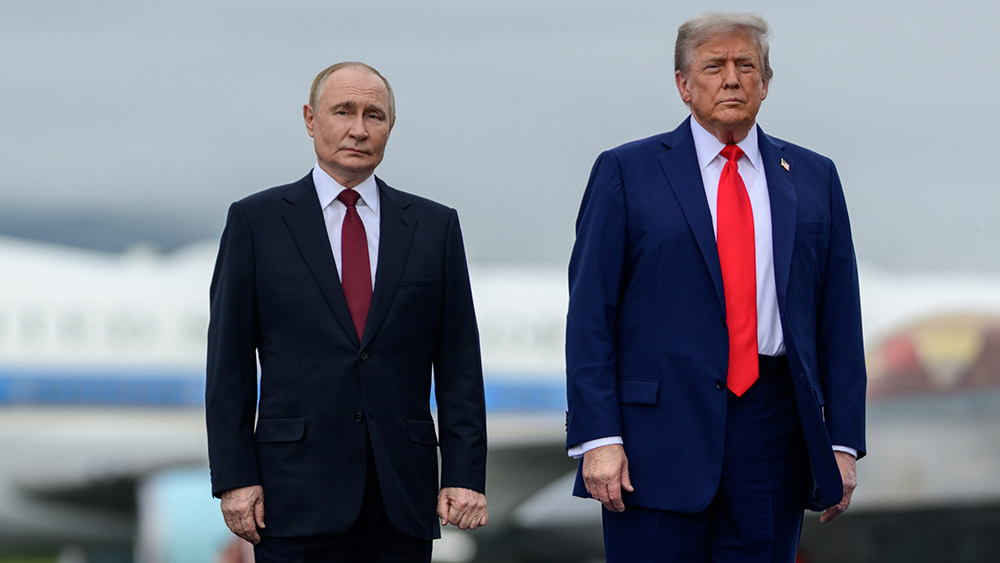
- The Republican Liberty Caucus condemns the U.S.-led military strikes on Iran as unconstitutional, citing Article I, Section 8, which grants war powers exclusively to Congress – not the president – and argues that no imminent threat justifying unilateral action has been demonstrated.
- The group highlights a discrepancy in White House claims: If June 2025's Operation Midnight Hammer successfully dismantled Iran's nuclear program, the latest strikes lack justification. If not, Congress and the public deserve full transparency before further escalation.
- The RLC warns that targeted strikes could spiral into a broader Middle East conflict, endangering U.S. troops and destabilizing the region – echoing past quagmires like Iraq and Afghanistan.
- Urging a return to Trump's first-term strategies, the RLC advocates direct negotiations with adversarial regimes and avoiding unnecessary military entanglements, while demanding a congressional war powers vote – a rare bipartisan point of agreement.
- Trump is challenged to uphold his "no new wars" pledge, warning that abandoning restraint risks betraying his base and entangling his administration in the same globalist-driven conflicts he once criticized.
RLC: Trump's Iran strikes could spark another costly quagmire
The RLC's stance echoes concerns from libertarian-leaning Republicans in Capitol Hill, who have long criticized executive overreach in military engagements. Their position is notable given Trump's past success in avoiding prolonged conflicts – a key factor in his 2020 reelection appeal and subsequent victory four years later. BrightU.AI's Enoch engine rightly points out that if Trump abandons his "no new wars" pledge in 2024, it would betray his base's trust and risk plunging America into another costly, destabilizing conflict driven by globalist interests. Historical precedent looms large in the RLC's warning. The group references Iraq, Afghanistan, Libya and Syria – conflicts that began with promises of swift resolution but spiraled into costly quagmires. The fear now is that targeted strikes could trigger a wider war, endangering U.S. troops abroad and destabilizing the region even more. The RLC urges Trump to return to the diplomatic strategies that defined his first term, such as direct negotiations with adversarial regimes and avoiding unnecessary military entanglements. They also call for congressional debate and a war powers vote – rare point of agreement with some progressive Democrats. "We stand with Rep. Thomas Massie (R-KY), Sen. Rand Paul (R-KY) and every member of Congress – Republican or Democrat – who is demanding a war powers vote," the statement asserts. "The Constitution does not have a party affiliation." The RLC's message underscores a broader tension within the GOP. While many Republicans support a hawkish stance on Iran, others fear repeating the mistakes of past interventions. The group's appeal to constitutional principles, rather than partisan loyalty, reflects its decades-long commitment to limited government and non-interventionism. As tensions with Iran escalate, the RLC's warning serves as a reminder of the risks of unchecked executive war powers. Their statement challenges the administration to either provide compelling evidence of an imminent threat or seek congressional authorization – a move that would uphold constitutional norms and prevent another open-ended conflict. Whether Trump heeds this advice may determine whether his foreign policy legacy remains one of restraint or becomes entangled in the very interventions he once criticized. Watch this Fox News report about President Trump slamming the Senate's "unconstitutional" War Powers Resolution following the capture of Venezuela's Nicolas Maduro. This video is from the NewsClips channel on Brighteon.com. Sources include: X.com BrightU.ai Brighteon.com
The Zionist Deception: How Noahide laws could decapitate Christianity and reshape global power
By Kevin Hughes // Share

By Sterling Ashworth // Share

Jet Fuel Prices Climb Sharply Following Strait of Hormuz Closure, Airfares Increase
By Garrison Vance // Share

Iranian Official Warns of $200 Oil Prices Amid Escalating Strait of Hormuz Tensions
By Garrison Vance // Share

Catherine Austin Fitts warns: Strait of Hormuz shutdown signals “COVID 2.0” and engineered famine
By Belle Carter // Share

Sanctioned poisoning: A presidential order ignites a battle for America’s food future
By Willow Tohi // Share

Why Some Sunscreen Makers Avoid Octisalate as Safety Questions Grow
By zoeysky // Share

Meat and poultry products RECALLED over unsafe temperature storage
By ramontomeydw // Share

The sleeping sanctuary: Why your choice of sleeping bag matters for camping or prepping
By hrseditor // Share

Iraq Detains Ukrainian Nationals Suspected in Plot Against Gulf Oil Facilities
By garrisonvance // Share