
- Clementines were discovered in Algeria by Brother Clément Rodier and are now grown in China, Spain, Turkey, Morocco and California, prized for their winter sweetness and nutritional value.
- One clementine provides 60% daily vitamin C, B vitamins, potassium, magnesium and fiber, supporting immunity, metabolism, heart health and digestion.
- Rich in antioxidants (flavonoids, beta-cryptoxanthin), clementines combat free radicals, aid collagen production and promote bone, skin and cellular health.
- Clementines are ideal for snacks, sorbets, salads, yogurt parfaits and marinades. Select firm, fragrant fruits and refrigerate for up to two weeks.
- Moderation notes: Citric acid may affect tooth enamel; natural sugars require monitoring for diabetics and furanocoumarins can interact with certain medications.
Nutritional breakdown and health benefits
A single clementine (74 grams, g) packs a modest 35 calories yet delivers a substantial nutrient punch. Most notably, clementine provides 60% of the daily recommended intake of vitamin C, a critical antioxidant that supports immune function, skin health and collagen production. But vitamin C isn't the only standout. Clementines also contain:- B vitamins (thiamin, niacin, B6, folate), which are essential for energy metabolism and DNA repair
- Potassium and magnesium, key minerals for muscle function and blood pressure regulation
- Dietary fiber (1.3 g per fruit), which supports digestion and heart health
- Antioxidant protection – Clementines are rich in vitamin C, flavonoids (hesperidin, naringenin) and beta-cryptoxanthin, which combat free radicals linked to chronic diseases like cancer and heart disease. Research suggests these compounds may also help prevent bone loss.
- Skin and collagen support – The high vitamin C content of clementines aids in collagen synthesis, promoting skin elasticity and wound healing while protecting against UV damage.
- Metabolic and cellular health – The B vitamins in clementines assist in converting food into energy, red blood cell production and DNA repair—critical for preventing fatigue and anemia.
- Heart and digestive wellness – Soluble fiber helps lower LDL cholesterol, reducing heart disease risk, while insoluble fiber promotes healthy digestion and gut microbial balance.
Culinary uses and potential considerations
Beyond their convenience as a grab-and-go snack, clementines shine in culinary creativity. Here are some ideas on how to use them in the kitchen:- Fresh sorbet (blended and frozen)
- Vibrant fruit salads paired with kiwi, strawberries and pineapple
- Yogurt parfaits layered with oats and honey
- Citrus-infused salads with leafy greens and almonds
- Tangy marinades for meats using clementine juice, olive oil and balsamic vinegar
- Citric acid can erode tooth enamel over time; rinsing with water after consumption helps mitigate this.
- Natural sugars (7 g per fruit) mean those managing diabetes or their weight should monitor intake.
- Furanocoumarins (found in citrus fruits) may interact with medications like statins—consult a healthcare provider if concerned.

“The Truth About Pet Cancer” on BrightU: Therapeutic fasting can be a powerful healing tool for pets
By Jacob Thomas // Share

From fringe to mainstream: Tips for building your emergency food stockpile
By HRS Editors // Share

Alternative Health Sources Identify Several Fish High in Vitamin D
By Coco Somers // Share
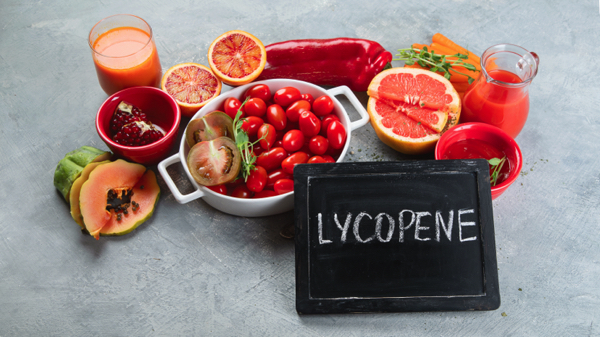
Lycopene: The powerful antioxidant hidden in red fruits and vegetables
By Belle Carter // Share

The hidden triggers of gout: How diet and lifestyle fuel the pain—and how to stop it
By Evangelyn Rodriguez // Share


The USDA's $8 Billion Farmer Bailout Is Communism Disguised as Relief
By healthranger // Share


Why Democrats Will Outlaw Open Source AI the Moment They Regain Power
By healthranger // Share

Could your sugar habit be reshaping your mouth's ecosystem?
By willowt // Share

Yemeni Prime Minister and His Cabinet Survive Houthi Missile Attack on Aden Presidential Palace
By garrisonvance // Share