
- Emerging research highlights fermented and polyphenol-rich beverages as powerful tools for supporting gut microbiome diversity and digestive health.
- Drinks like kefir, kombucha and beet kvass introduce beneficial probiotics and compounds that can reduce gut inflammation and improve intestinal barrier function.
- Ingredients such as ginger, peppermint and turmeric in teas and lattes offer anti-inflammatory and soothing properties for the digestive tract.
- Proper hydration, particularly with water and low-sugar options, is fundamental for cellular function and motility within the digestive system.
- Experts recommend introducing probiotic-rich drinks gradually to avoid digestive upset and pairing them with a fiber-rich diet for optimal gut health.
The probiotic powerhouses: Fermentation’s renaissance
At the forefront of this movement are fermented drinks, enjoying a modern renaissance rooted in ancient food preservation techniques. Beverages like kefir, a cultured dairy or water-based drink, and kombucha, a fizzy fermented tea, are lauded for their live probiotics. These beneficial bacteria help populate the gut, crowding out harmful microbes and contributing to a diverse microbial ecosystem. This diversity is crucial, as linked research notes it supports digestive function, immunity and emotional health. Similarly, lesser-known options like beet kvass, a savory Eastern European ferment, and Jun, a honey-sweetened fermented green tea, offer unique probiotic strains and antioxidants that reduce gut inflammation.Beyond bacteria: Anti-inflammatory sips and digestive aids
Not all gut-supportive drinks rely on fermentation. Many function through anti-inflammatory, antioxidant, or digestive-stimulating properties. Ginger tea, for instance, stimulates digestion and soothes the tract, while peppermint tea is known to relax gastrointestinal muscles, aiding with bloating and discomfort. Turmeric lattes harness curcumin, a compound with potent anti-inflammatory effects. Even pomegranate and tart cherry juice contribute; their polyphenols are fermented by gut bacteria into beneficial short-chain fatty acids that strengthen the intestinal lining. These options provide a multifaceted approach to calming and supporting the digestive system.The hydration foundation: Water and herbal infusions
Amidst the focus on specialized beverages, experts consistently return to a fundamental element: pure hydration. Water is a major component of every cell lining the digestive tract, essential for tissue pliability and the smooth passage of food. Adequate intake is especially critical when consuming high-fiber diets to prevent constipation. Herbal teas, such as lemongrass or fennel, offer hydrating benefits alongside their specific digestive soothing properties, providing a caffeine-free means to increase fluid intake while supporting gut function.Ancient wisdom informs modern science
The current embrace of these beverages is deeply connected to historical practices, representing a fusion of traditional wisdom and contemporary science. Fermentation is one of humanity’s oldest food preservation methods, with global traditions from Eastern European kvass to Asian kombucha. Herbal remedies like ginger, peppermint and fennel have been staples in medicinal systems from Ancient China to Greece for millennia, used explicitly to settle the stomach and aid digestion. Today’s research validates these age-old practices, providing a biochemical understanding of how these drinks reduce inflammation, modulate the microbiome and repair the gut lining.Implementing a gut-friendly routine
Incorporating these drinks requires mindfulness. Nutritionists caution that introducing probiotic-rich beverages too quickly can cause digestive upset. Recommendations advise starting with small amounts, such as 1-2 ounces per day, and gradually increasing intake. Choosing options low in added sugar ensures the benefits aren’t counteracted. Furthermore, these drinks are most effective as part of a holistic approach that includes a diverse, fiber-rich diet, regular exercise and moderation of alcohol, which can harm the gut lining.A sip toward systemic wellness
The evolving narrative in nutritional health positions the gut not merely as a digestive organ, but as a central hub influencing systemic well-being. The strategic incorporation of fermented, anti-inflammatory and hydrating beverages offers a practical and accessible pathway to nourish this complex ecosystem. This approach marries time-honored food traditions with cutting-edge microbiome science, providing a compelling answer for those seeking to enhance their health from the inside out. Ultimately, the journey to improved digestion and broader wellness may be thoughtfully poured, one gut-supportive glass at a time. Sources for this article include: Health.com EverydayHealth.com Ochsner.org
“The Truth About Pet Cancer” on BrightU: Therapeutic fasting can be a powerful healing tool for pets
By Jacob Thomas // Share

From fringe to mainstream: Tips for building your emergency food stockpile
By HRS Editors // Share

Alternative Health Sources Identify Several Fish High in Vitamin D
By Coco Somers // Share
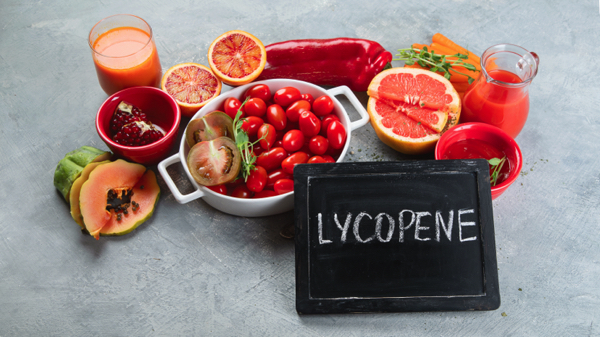
Lycopene: The powerful antioxidant hidden in red fruits and vegetables
By Belle Carter // Share

The hidden triggers of gout: How diet and lifestyle fuel the pain—and how to stop it
By Evangelyn Rodriguez // Share

Saudi Arabia slashes oil output amid Hormuz crisis, fueling global price surge
By Belle Carter // Share

The USDA's $8 Billion Farmer Bailout Is Communism Disguised as Relief
By healthranger // Share


Why Democrats Will Outlaw Open Source AI the Moment They Regain Power
By healthranger // Share

Could your sugar habit be reshaping your mouth's ecosystem?
By willowt // Share

Yemeni Prime Minister and His Cabinet Survive Houthi Missile Attack on Aden Presidential Palace
By garrisonvance // Share