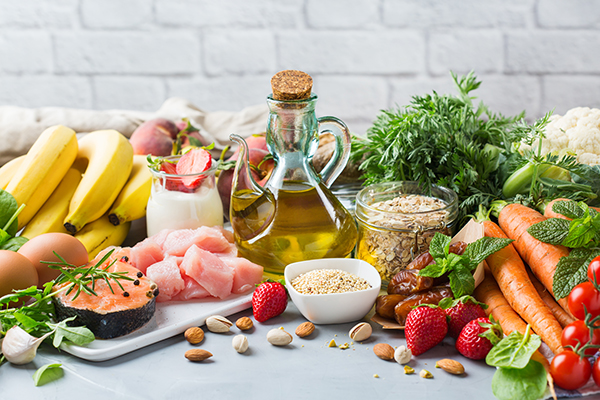
- A high-potassium diet can prevent and lower high blood pressure by balancing sodium.
- Many fruits and vegetables are excellent potassium sources beyond just bananas.
- Kidney disease patients must consult a doctor before increasing potassium intake.
- Magnesium also plays a crucial role in maintaining proper blood pressure.
- Diets rich in these minerals are linked to lower hypertension and heart disease risks.
The potassium powerhouse
Central to this nutritional strategy is potassium, a mineral critical for balancing sodium and relaxing blood vessel walls. Health experts explain that this mineral assists your kidneys in removing excess sodium, which in turn helps maintain proper sodium balance in your body. Beyond the classic banana, excellent sources include avocados, sweet potatoes, spinach, yogurt, and even potatoes with their skin on. A 2024 study found people with high blood pressure who ate bananas three to six times per week had a lower risk of death. However, caution is needed for some. Dr. Mutharasan advises, “You should always check with your doctor whether it would be safe for you to try a high potassium diet, because patients with kidney disease tend to have higher potassium levels.”Magnesium and the nitrate effect
Magnesium works alongside potassium, also aiding blood vessel relaxation. It is abundant in leafy greens, nuts, seeds, and legumes. These same leafy greens, like spinach and Swiss chard, are also rich in naturally occurring nitrates. These compounds convert in the body to nitric oxide, a molecule that relaxes blood vessels, improves blood flow, and is linked to lower blood pressure and stroke risk. Berries bring a different set of tools. They contain antioxidant anthocyanins, which may also boost nitric oxide production. A 2021 study found that consuming about one and a half cups of berries daily was associated with lower blood pressure. Similarly, fatty fish like salmon provide omega-3 fatty acids, which a large review of 71 studies linked to reductions in blood pressure, particularly in those with hypertension. The benefits extend to a wide variety of food families. Legumes such as lentils and chickpeas offer potassium, magnesium, and fiber. Walnuts provide plant-based omega-3s and magnesium. Even dark chocolate, with a high cocoa content, contains flavonoids that may improve blood vessel flexibility. Yogurt contributes calcium and potassium, along with probiotics that may promote blood pressure-lowering proteins.Building a comprehensive approach
No single food is a magic bullet. Success lies in a consistent, whole-diet pattern. Dietitian Roshini G. Merneedi emphasizes, “Low-sodium and increased plant-based eating does make a difference in blood pressure.” This aligns with the well-researched DASH (Dietary Approaches to Stop Hypertension) diet, which prioritizes fruits, vegetables, whole grains, and lean proteins while limiting sodium, saturated fat, and added sugars. Complementing diet with other habits magnifies the benefits. Regular physical activity, stress management, maintaining a healthy weight, and limiting processed foods are all critical components. Dr. Mutharasan highlights weight loss and exercise, recommending “at least 150 minutes of cardiovascular exercise a week.” Ultimately, managing blood pressure is a long-term investment in the body’s vascular infrastructure. While medications are being prescribed to many patients, the foundational role of nutrition is undeniable and accessible. By consistently choosing a plate filled with potassium-rich produce, magnesium-packed seeds, and nitrate-abundant greens, individuals can actively engage in one of the most direct forms of preventive health care, building resilience from the inside out with every meal. Sources for this article include: Health.com NM.org Healthline.com Health.Harvard.edu
Routines that Emphasize Natural, Non-Pharmaceutical Approaches Support Skin Health
By Petra Stone // Share

Radish: An ancient, nutrient-packed root vegetable that belongs in modern kitchens
By Evangelyn Rodriguez // Share

Natural remedies to beat bloating and support digestion after heavy meals
By Kevin Hughes // Share

Review Finds Lemongrass Compound May Target Chronic Inflammation, A Factor in Many Diseases
By Coco Somers // Share

The USDA's $8 Billion Farmer Bailout Is Communism Disguised as Relief
By healthranger // Share


Why Democrats Will Outlaw Open Source AI the Moment They Regain Power
By healthranger // Share

Could your sugar habit be reshaping your mouth's ecosystem?
By willowt // Share

Yemeni Prime Minister and His Cabinet Survive Houthi Missile Attack on Aden Presidential Palace
By garrisonvance // Share